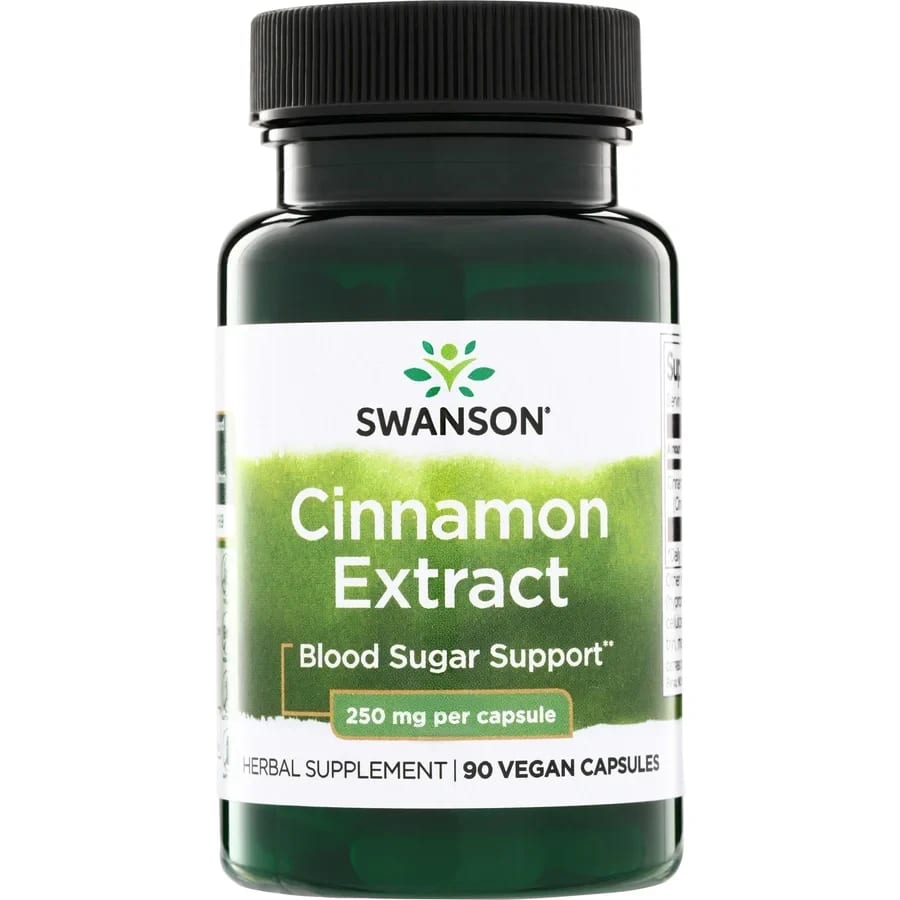
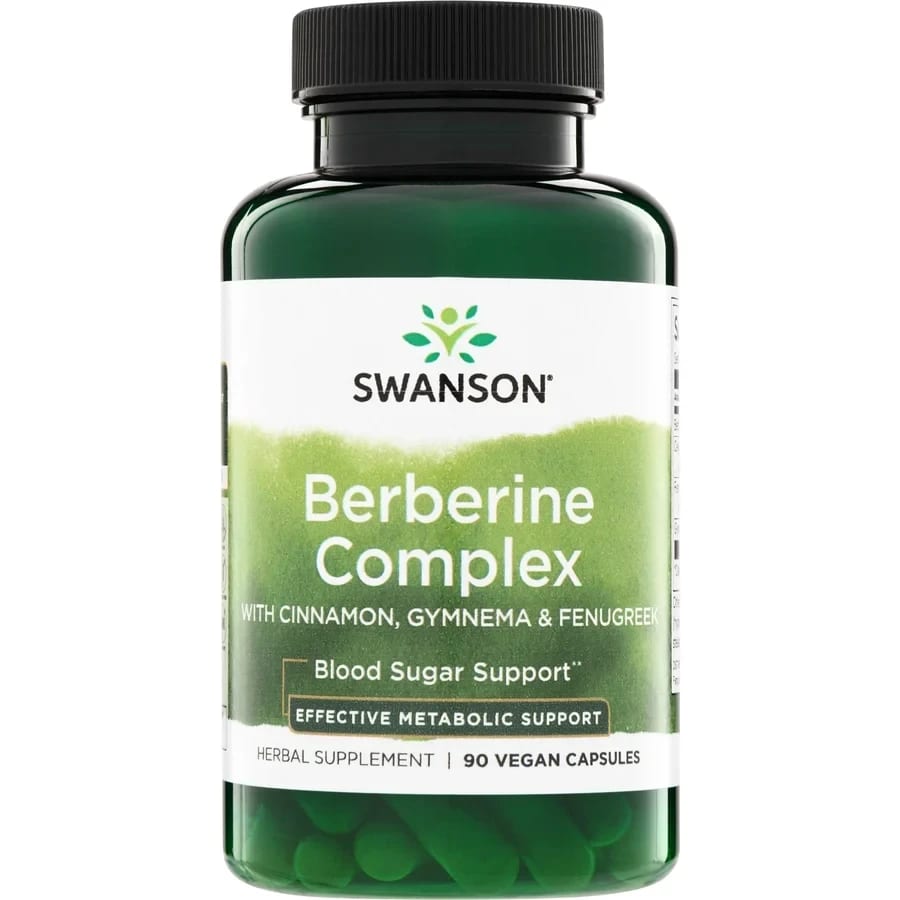
Swanson

French dermocosmetics brand combining dermatological expertise with scientific innovation — part of our first edition.
Discover the brand →Ingredients
Cinnamon 4:1 Extract · Cinnamomum verum · Cinnamomum zeylanicum · Ceylon cinnamon · True cinnamon · Cinnamomum cassia · Cinnamomum aromaticum · Cassia cinnamon · Cinnamon bark powder
Cinnamon is the aromatic dried bark of several Cinnamomum species (Lauraceae), used as a spice and as an ingredient in foods, supplements, and cosmetics. On the market, “Ceylon/true cinnamon” (Cinnamomum verum, synonym C. zeylanicum) and several types commonly referred to as “cassia” (e.g., C. cassia/C. aromaticum, C. burmannii, C. loureiroi) are most common, and labels may simply state “cinnamon” without specifying the species. In supplements it is typically found as bark powder or as an extract (for example 4:1, 10:1, or standardised extracts), and less often as bark or leaf essential oil, presented as capsules, tablets, powders, or drops. In cosmetics, cinnamon-derived aromatic materials are mainly used, such as essential oils or fragrance fractions, incorporated into perfuming systems and body products. Chemical composition varies by species and plant part; notably, “cassia” types can contain higher levels of coumarin than Ceylon cinnamon.
Approved claims
No approved claims yet.
Safety notes
EFSA has not set a tolerable upper intake level (UL) for cinnamon as a botanical ingredient. EFSA has confirmed a tolerable daily intake (TDI) for coumarin of 0.1 mg/kg body weight per day, and coumarin levels can be higher in “cassia” types than in Ceylon cinnamon. Cinnamon may interact with certain medicines affecting coagulation or hepatic metabolism; consult a doctor before use. Cinnamon (especially essential oils) may cause skin irritation or sensitisation in some individuals; consult a doctor before use. Pregnancy, breastfeeding and children should consult a doctor before use.
Products containing it