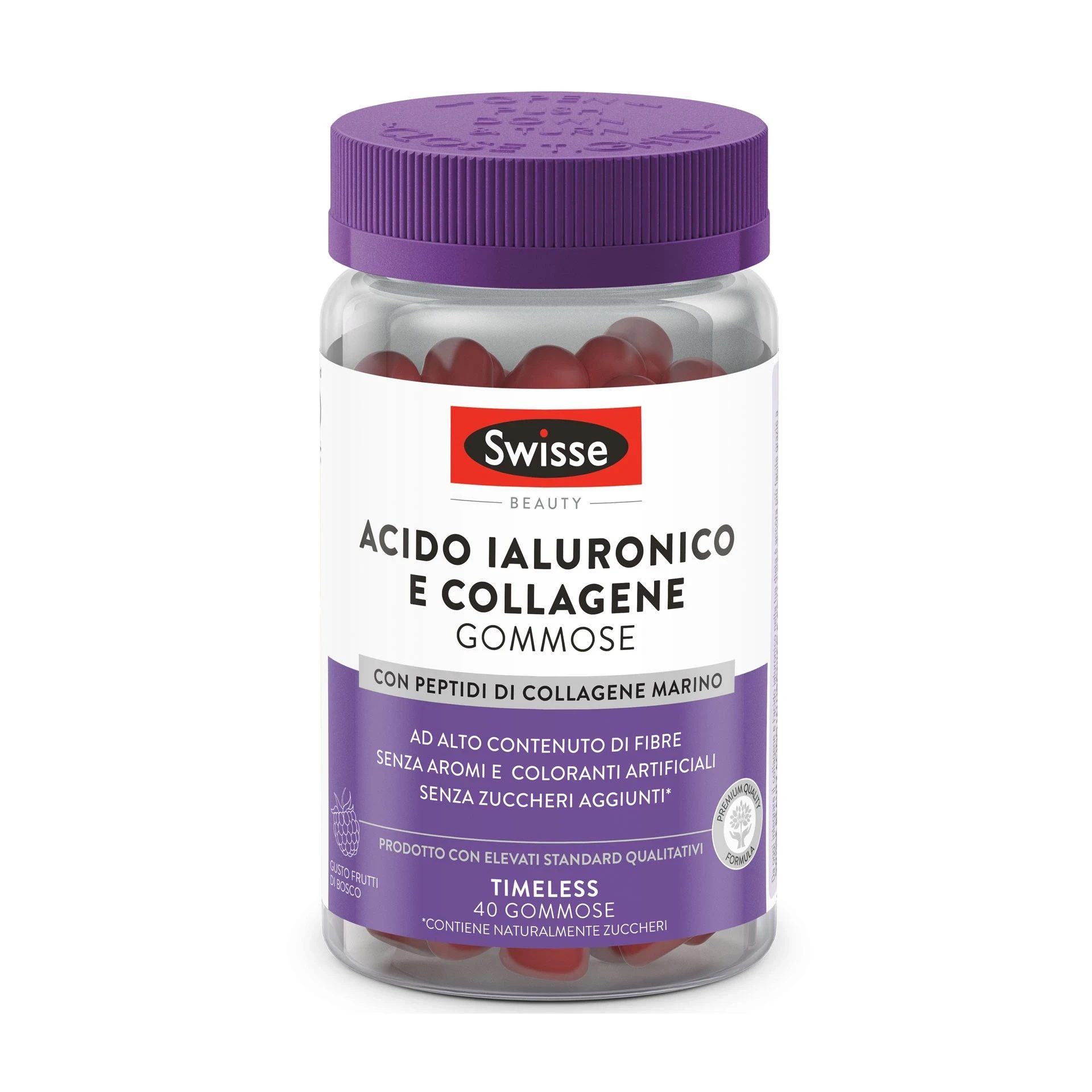
Swisse

French dermocosmetics brand combining dermatological expertise with scientific innovation — part of our first edition.
Discover the brand →Joint care supplement with collagen
Vitamin C contributes to normal collagen formation for the normal function of cartilage
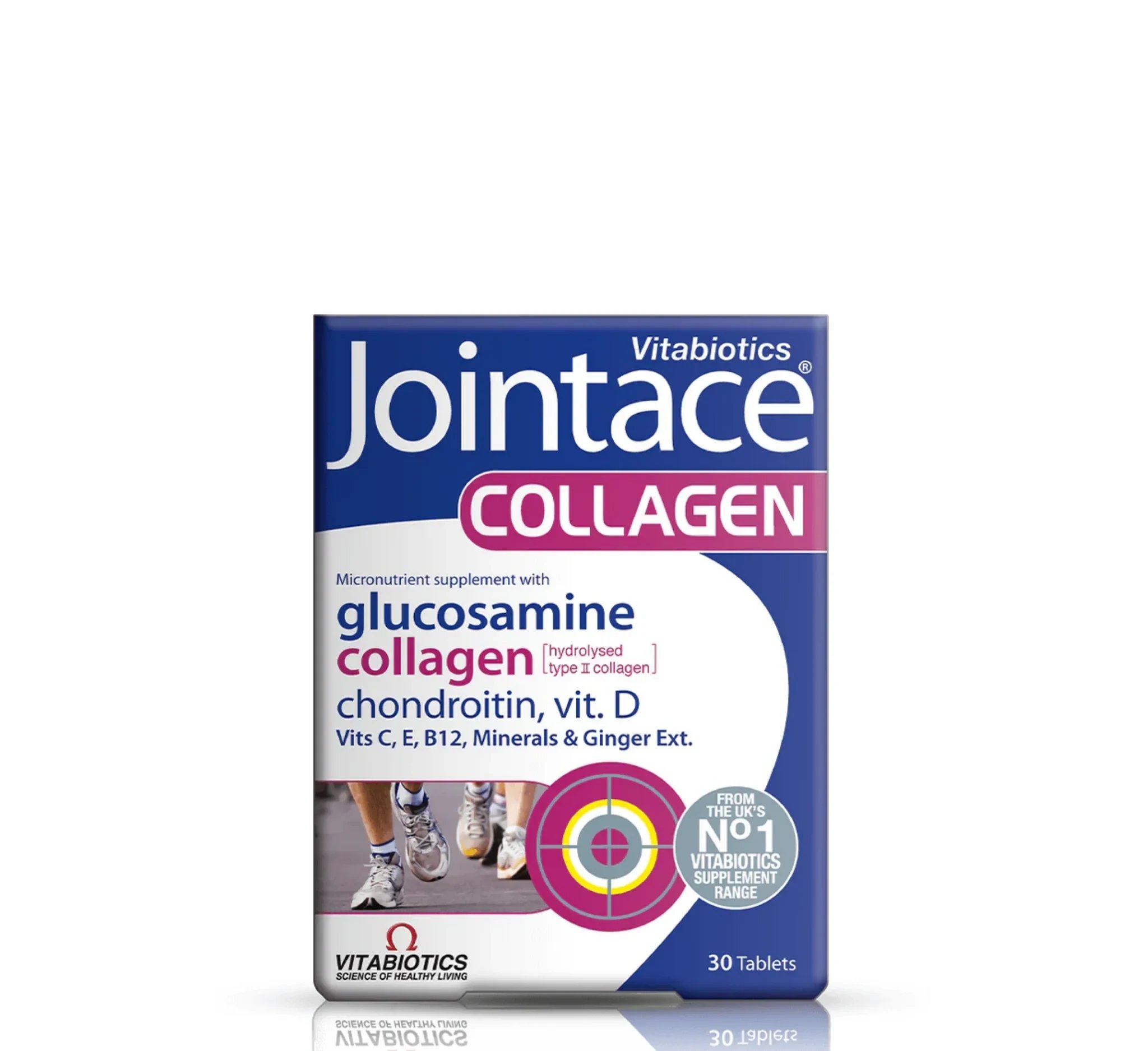
SourceJointace Collagen is a supplement combining collagen with other vitamins and minerals to support joint care. It contains 30 tablets that are easy to take. Suitable for those looking to support joint health.
Trace mineral required for immunity, connective tissue, and pigmentation.
Vitamin D3 (cholecalciferol) is a fat-soluble vitamin naturally present in the body and in some animal-derived foods. In dietary supplements, it is commonly used as cholecalciferol, dissolved in oil and measured in micrograms (µg) or international units (IU), in soft capsules, drops, or tablets. The raw material can come from lanolin (sheep wool fat) or from vegan sources through fermentation and subsequent processing. In cosmetic formulations, it may appear as an ingredient in small amounts, usually listed on the label with the INCI name "Cholecalciferol." As a substance, it is a derivative of sterols with a lipophilic structure, often combined with oil carriers for stability and distribution. In products, the designation "D3" is used to distinguish it from vitamin D2 (ergocalciferol), which is another form of vitamin D.
Vitamin C
Related
Delivery & returns
Estimated delivery: 1–3 business days in Tirana · 2–5 across Albania
Vitamin C contributes to normal collagen formation for the normal function of bones
SourceA varied and balanced diet and a healthy lifestyle are important.
Take two tablets daily with your main meal. Do not exceed the recommended intake.
Good to know Do not exceed the recommended daily dose. Keep out of the reach of young children. A food supplement is not a substitute for a varied diet.
Answers based on this product's own information.
Antioxidant trace mineral; supports bones and connective tissue.
Glucosamine is an amino sugar (aminomonosaccharide) that occurs naturally in the body as a building block within certain connective-tissue structures. In food supplements it is most commonly used as glucosamine sulfate or glucosamine hydrochloride, often stabilised as a salt with sodium chloride or potassium chloride, and presented as tablets, capsules, powders, or sachets. The raw material may be sourced from marine materials (e.g., crustacean shells) or produced via microbial fermentation, depending on the manufacturer and purity specifications. On labels it may also appear as “glucosamine sulfate sodium chloride” or “glucosamine sulfate potassium chloride”, which describe stabilised sulfate forms. In cosmetics, glucosamine-related derivatives may be used as functional ingredients in water-based formulas, while supplements typically focus on oral dose forms. Products frequently combine it with other ingredients from the same category, such as chondroitin, and declare the amount either as the salt form or as a glucosamine equivalent.
Antioxidant mineral; supports immunity and the health of hair and nails.
Essential mineral for immunity, wound healing, and the health of skin, hair, and nails.
Chondroitin sulfate is a glycosaminoglycan, meaning a long polysaccharide built from repeating disaccharide units, naturally present in connective tissues and especially in cartilage. In food supplements it is most commonly listed as “chondroitin sulfate” or as a sodium salt, supplied as capsules, tablets, powders, or sachets. Traditional raw-material sources include bovine, porcine, avian, and cartilaginous fish cartilage, while some products use chondroitin sulfate made via microbial fermentation followed by sulfation. Composition and molecular weight can vary with the source and purification process, so labels often specify the form and origin. In cosmetics it may appear as a skin-conditioning/humectant ingredient in topical formulas, typically using water-soluble derivatives and low concentrations suited to leave-on or rinse-off products.
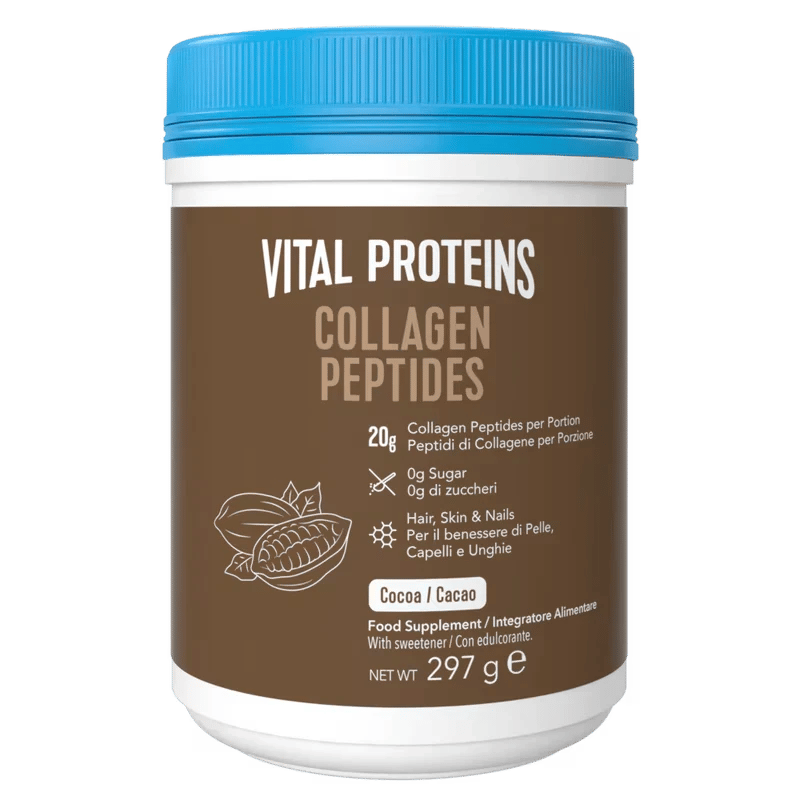
Collagen is a family of fibrous proteins naturally present in animal connective tissues and, in consumer products, it is most commonly sourced from bovine, porcine, or marine raw materials. In supplements it is frequently used as hydrolysed collagen, also labelled as “collagen peptides”, where the protein is broken down into smaller peptides to improve solubility and ease of use in powders, capsules, tablets, and ready-to-mix drinks. On labels it may appear as “hydrolyzed collagen” or “collagen peptides”, with the origin sometimes specified as marine, bovine, or porcine. In cosmetics, collagen is typically declared under the INCI name “Hydrolyzed Collagen” and is used in water-based formulas such as serums, creams, and masks, often at modest concentrations alongside humectants and film-forming polymers. As a material, it is a mixture primarily composed of amino acids, peptides, and proteins, with properties influenced by the source and degree of hydrolysis. Because it is protein-based, collagen-containing products can have a characteristic taste or odour, so flavoured options are also common.
Fat-soluble antioxidant that protects cells from oxidative damage.
Hydrolysed Collagen, Glucosamine Sulphate, Chondroitin Sulphate, Vitamin C, Vitamin E, Zinc, Manganese, Copper, Selenium, Vitamin D3.
A package contains 30 tablets.
Take two tablets daily with your main meal.
Earn 250 points with this purchase