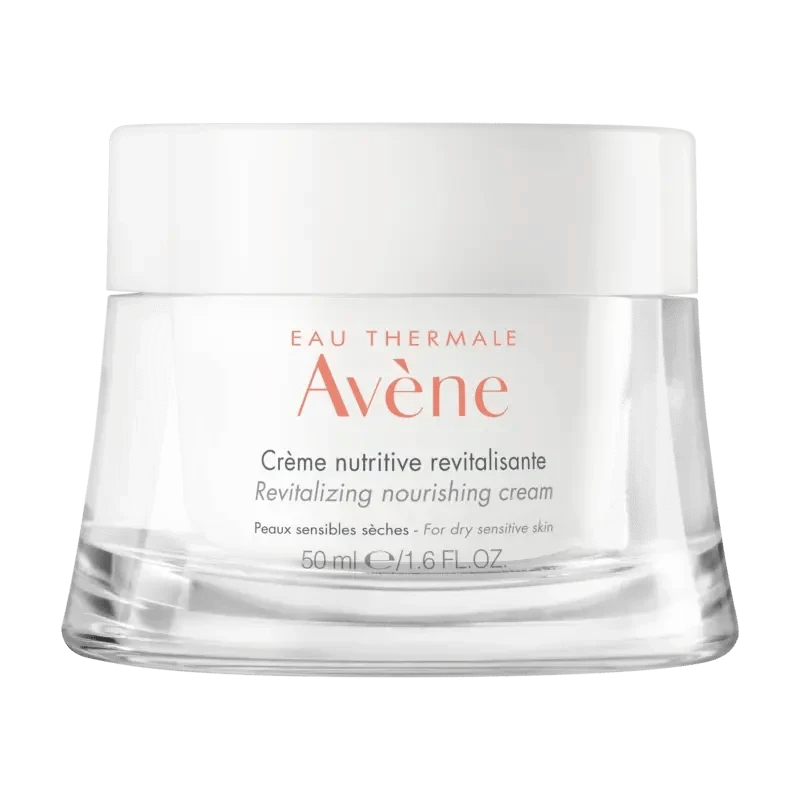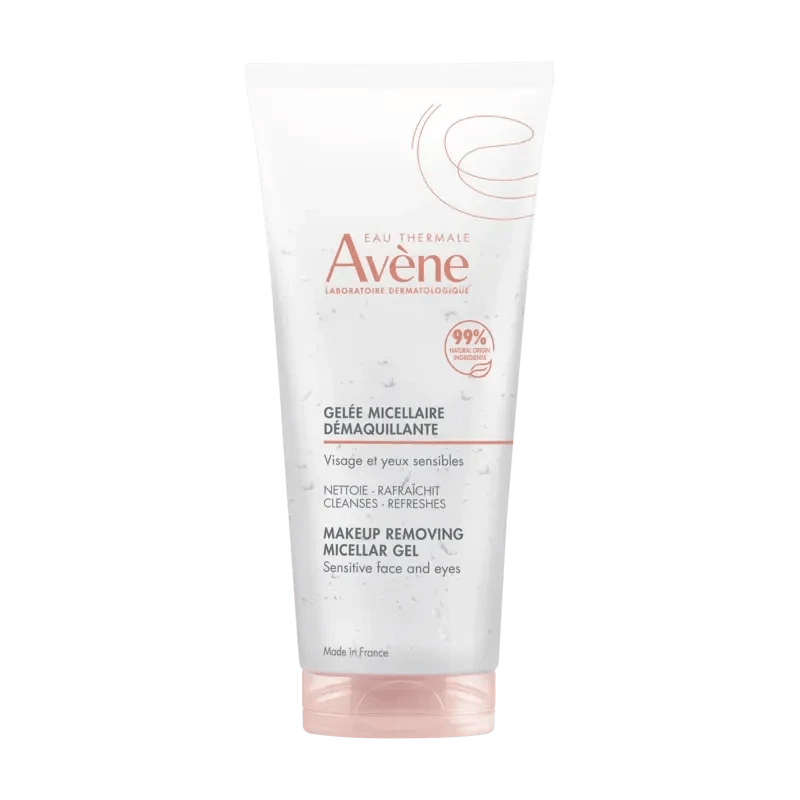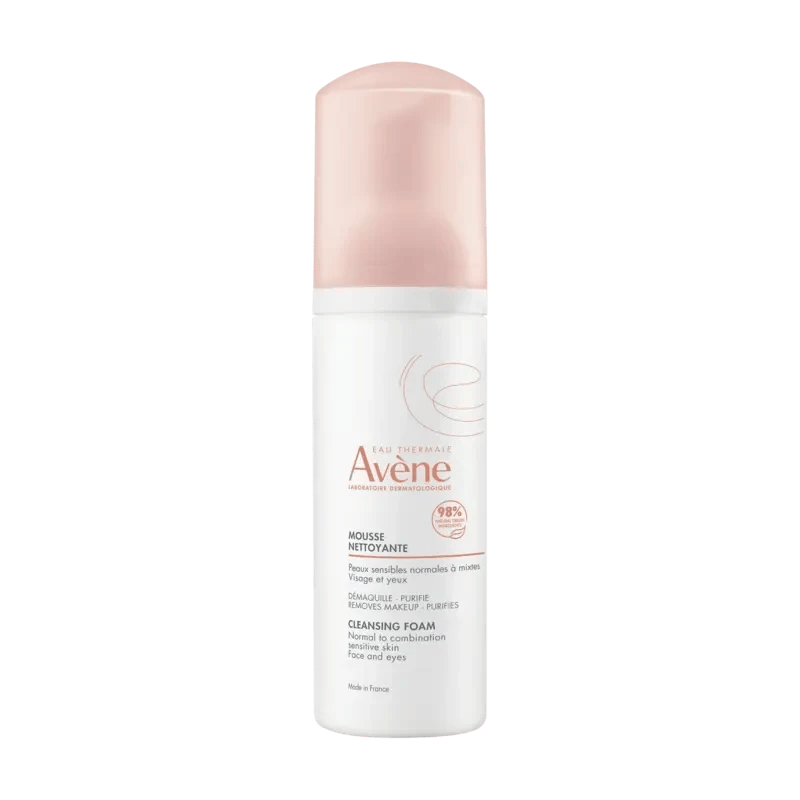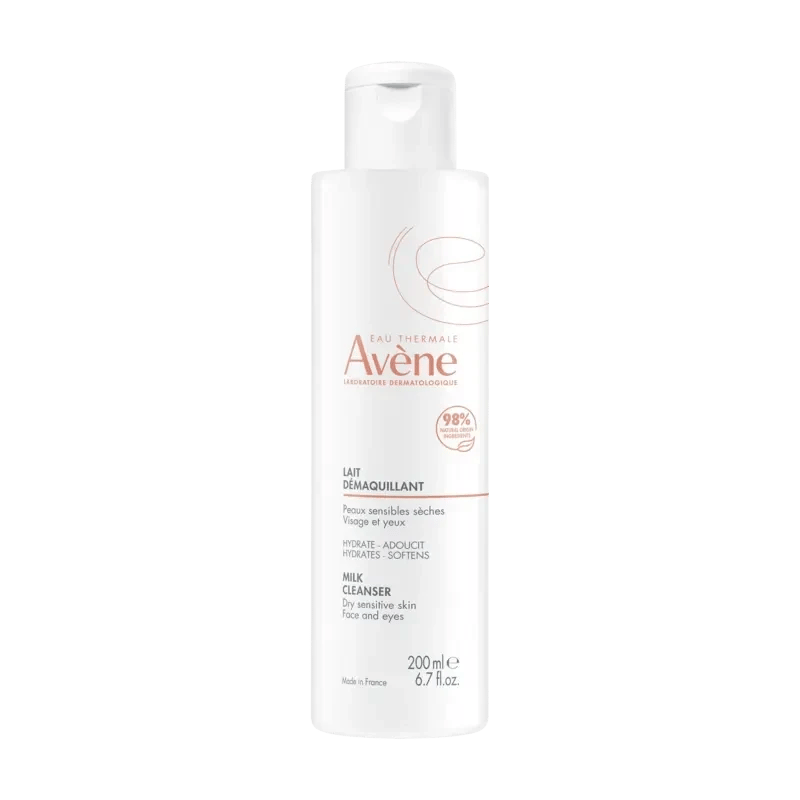
Avène

French dermocosmetics brand combining dermatological expertise with scientific innovation — part of our first edition.
Discover the brand →Products
Related searches
Related ingredients
Fat-soluble vitamin; essential for vision, immunity, and skin.
Approved claims
Astaxanthin is a xanthophyll carotenoid, a fat-soluble red‑orange pigment that occurs naturally in certain microalgae and then enters the marine food chain. In supplements it is most commonly used as natural astaxanthin sourced from the microalga Haematococcus pluvialis, typically supplied as an oleoresin extract rich in astaxanthin, where a portion is present as fatty‑acid esters. Because it is oil‑soluble, it is frequently formulated in softgels with carrier oils (such as olive or sunflower/safflower oil) or as a standardised powder for capsules and tablets. On labels it may appear as “astaxanthin (from Haematococcus pluvialis extract)” or as a standardised algae extract with a declared astaxanthin percentage. In cosmetics it can be found in lipophilic formulas such as serums or creams, often encapsulated or dissolved into the oil phase to improve stability. As a carotenoid pigment it is sensitive to light and oxidation, so formulations commonly include technological antioxidants for protection.
Cranberry is the fruit of Vaccinium macrocarpon (Ericaceae), a tart red berry used as a food and as a raw material for supplements. In products it appears as dried fruit powder, juice concentrate, or fruit extract, often standardised for polyphenols, especially proanthocyanidins (PACs), with A‑type PACs frequently highlighted. Its natural composition also includes anthocyanins, flavonols and organic acids, while the levels of these constituents vary with cultivar and processing. Cranberry is most commonly presented in capsules, tablets, drink powders and liquid formats; in cosmetics it may be used as a fruit extract or as a plant-derived aromatic component in formulations.
Fat-soluble antioxidant that protects cells from oxidative damage.
Approved claims
Centella asiatica is a herbaceous plant from the Apiaceae family, widely used in cosmetics as a source of botanical extracts. In formulations it most often appears as extracts from aerial parts or leaves, declared under INCI names such as Centella Asiatica Extract or Centella Asiatica Leaf Extract, alongside other closely related centella-derived entries. Extracts may be prepared in water, glycerin, or other cosmetic solvents and are frequently standardised to characteristic triterpene fractions often referred to in cosmetic literature as “centellosides” (e.g., asiaticoside, madecassoside) or as a titrated extract. In skincare it is incorporated into a range of textures including creams, serums, gels, and emulsions, typically as a botanical component of the water phase or as a solubilised extract. Labels may also list cell-culture derived materials (e.g., callus/meristem cell culture) or leaf water, which remain centella-derived materials from the same botanical source. When used in food supplements, it is generally presented as a plant extract in capsules or powders, with specifications that vary by manufacturer.
Approved claims
N-acetylcysteine (NAC) is a derivative of the amino acid L-cysteine in which the amino group is acetylated; on labels it may also appear as N-acetyl-L-cysteine or acetylcysteine. It is a small, water-soluble organosulfur compound that is chemically related to cysteine found naturally in proteins and in human metabolism. In food supplements it is typically supplied as a powder or in capsules/tablets containing NAC as the primary ingredient, sometimes in blends with other amino acids. In cosmetics it may be present under the INCI name “Acetyl Cysteine”, used in water-based formulas such as serums or skin-care products. As a raw material, NAC is commonly identified by its chemical name “acetylcysteine” and standard identifiers such as a CAS number, while specifications can differ by purity grade and supplied form.
Approved claims
Salicylic acid is an aromatic organic acid (2‑hydroxybenzoic acid) that occurs naturally in some plants and is widely used as a functional cosmetic ingredient. In formulations it appears as a crystalline powder and is typically incorporated via suitable phases/solvent systems, used either as the free acid or as salicylate salts (e.g., sodium salicylate, potassium salicylate, TEA‑salicylate). In skincare it is found in both leave‑on and rinse‑off products such as gels, serums, toners, creams, and cleansers, where the level is commonly expressed as “acid” (salicylic‑acid equivalent). In haircare it can be present in shampoos and scalp products. In some formulations it may also be used as a preservative, under specific regulatory conditions. pH selection and solubilisation strategy are part of the formulation design to keep the ingredient stable and compatible with other components.
Water-soluble B7 vitamin; supports energy metabolism and the health of hair, skin and nails.
Approved claims