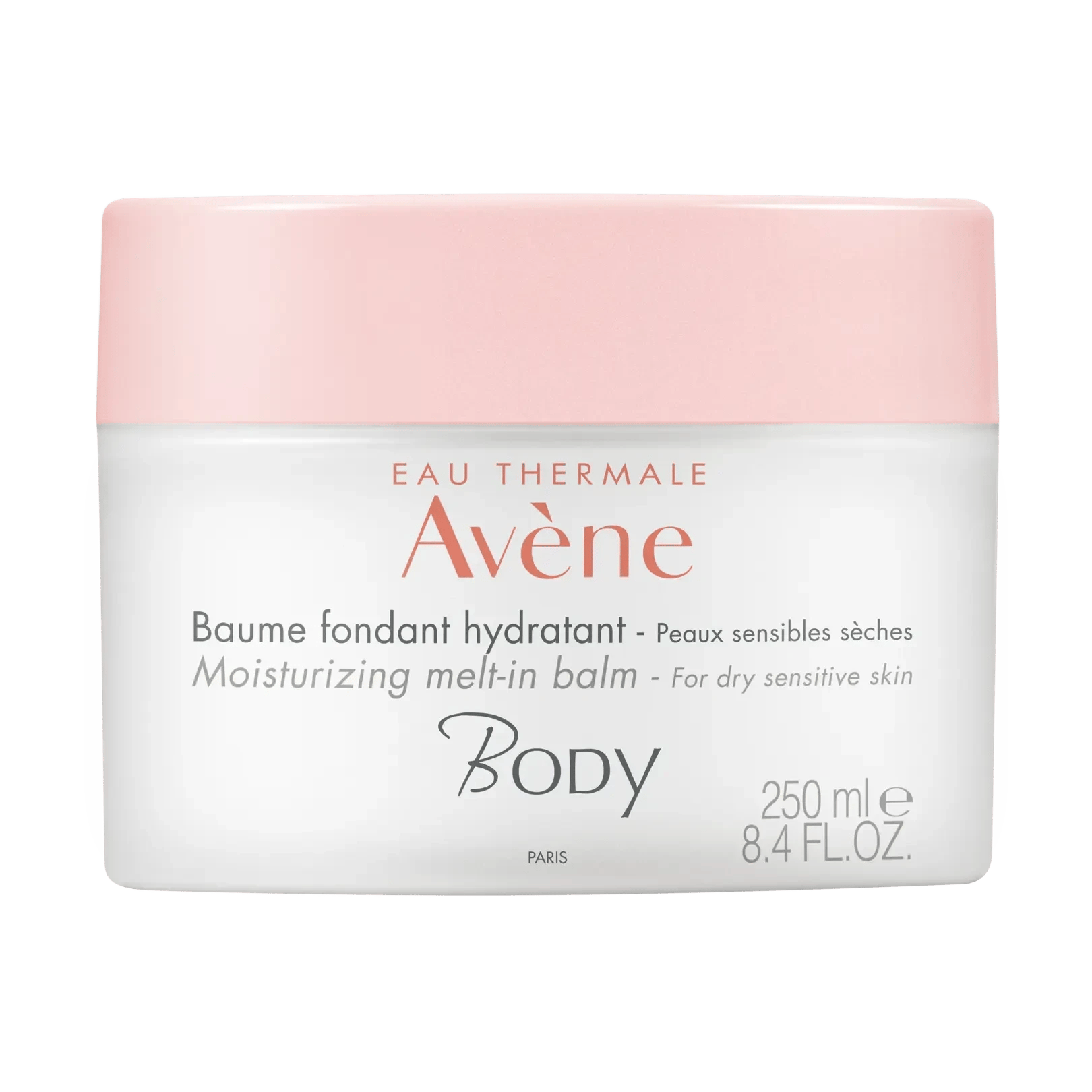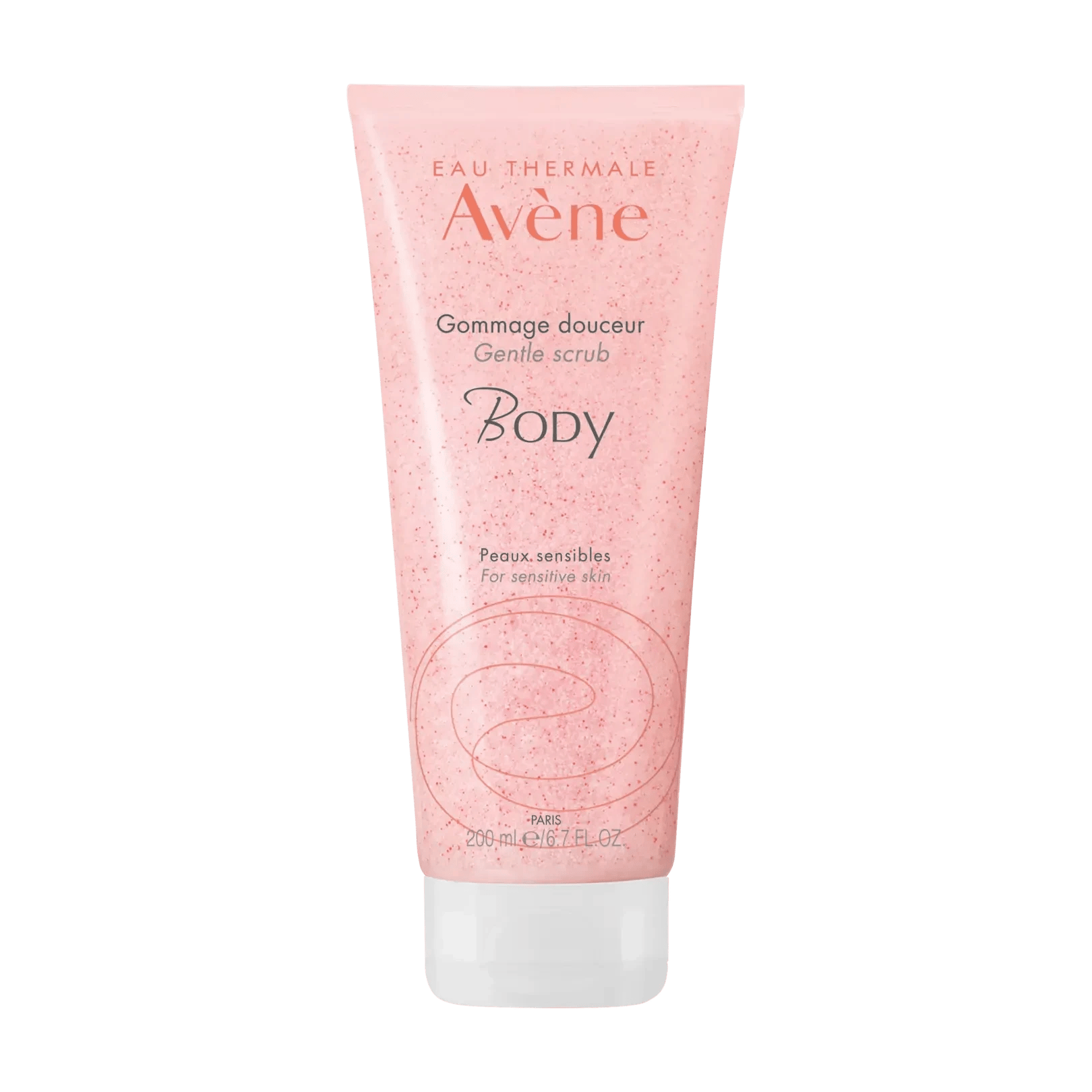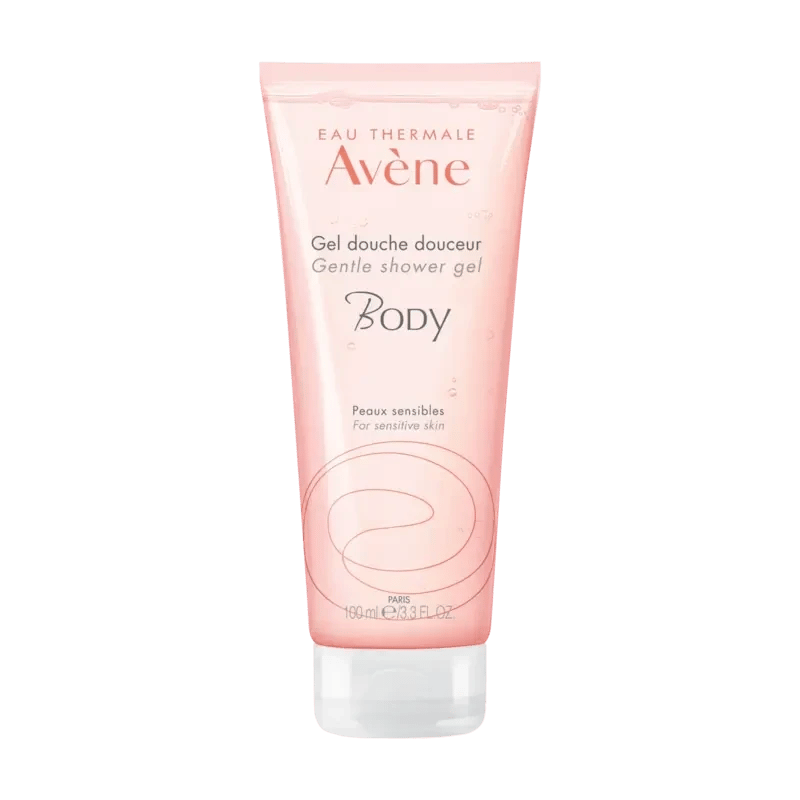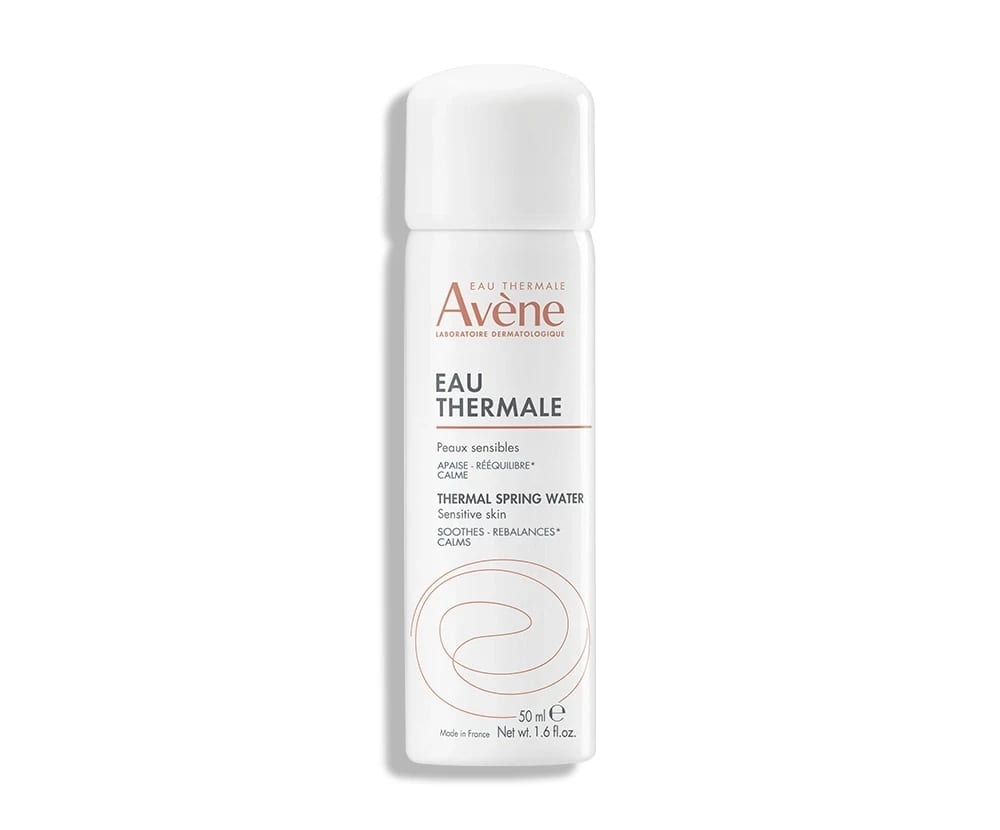
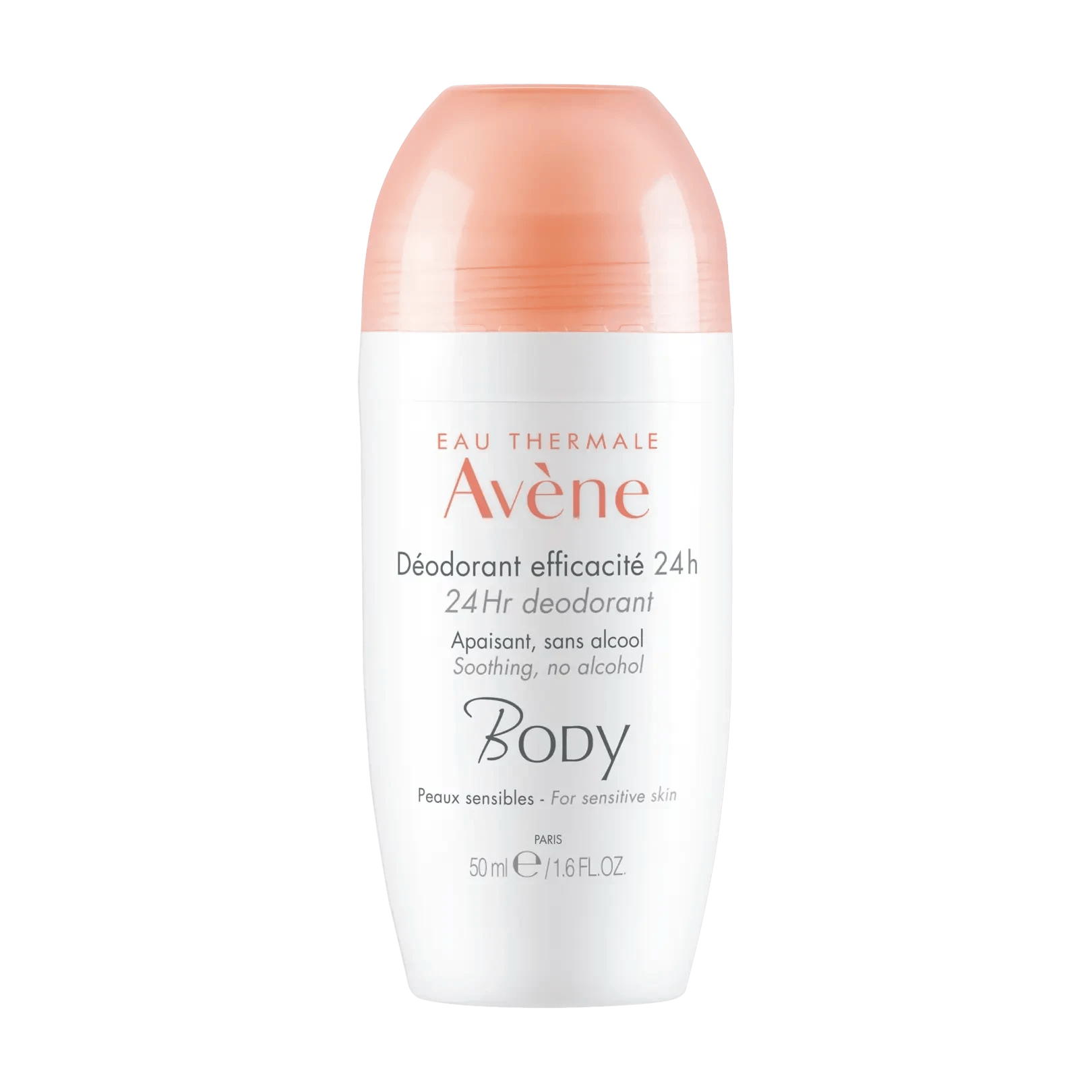
Avène

French dermocosmetics brand combining dermatological expertise with scientific innovation — part of our first edition.
Discover the brand →Products
Related searches
Related ingredients
The most abundant mineral in the body; essential for bones, teeth, and normal muscle function.
Approved claims
Bifidobacterium refers to a genus of Gram‑positive, anaerobic bacteria that naturally occur in the human and mammalian gastrointestinal tract. In food supplements it is typically present as live cultures identified at species level and often at strain level, shown on labels with a Latin name plus a strain code or number. Because many bifidobacteria are sensitive to oxygen and moisture, common presentations are capsules or powders using protective technologies (e.g., protective matrices or microencapsulation) and the amount is usually expressed as CFU. In cosmetics, the genus name is most often encountered through fermentation-derived materials, such as Bifida Ferment Lysate or related ferment filtrates, which are not necessarily live microorganisms. These fermented materials are used in water-based formulas such as serums and creams as soluble biotech ingredients. In practice, “Bifidobacterium” on an ingredient list may indicate either an oral probiotic culture or a topical ferment derivative, so the exact meaning depends on the form stated on the label.
Tribulus terrestris is a herbaceous plant from the Zygophyllaceae family, widely known in botanical literature as “puncture vine”, with product uses typically involving the fruit, aerial parts, and root. In food supplements it is most often found as a plant powder or as a dry extract, frequently standardised for steroidal saponins (e.g., furostanol glycosides) and sometimes declared with a percentage of protodioscin, depending on plant part and origin. The chemical profile of extracts can vary markedly with chemotype, extraction method, and standardisation approach, so labels may also specify an extract ratio (e.g., DER) or percentages of defined fractions. In cosmetics it may appear as a botanical extract for topical use, listed under an INCI name that specifies the plant part (for example, a root extract or a fruit/stem extract). In formulations it is commonly combined with other botanicals and carriers such as maltodextrin, while in topical products it may be included in serums, creams, or toners featuring plant extracts.
Approved claims
Approved claims
Macronutrient essential for building and maintaining muscle and bone mass.
Approved claims
Trace mineral required for immunity, connective tissue, and pigmentation.
Approved claims
Berberine is a yellow isoquinoline alkaloid that occurs naturally in several plants, including species of the genus Berberis and other botanicals. In food supplements it is most commonly used as an isolated substance or as a salt, most often berberine HCl, typically standardised to a high berberine content. It may also appear as part of botanical extracts where the label declares the berberine amount or a standardisation percentage. Typical product formats include capsules, tablets and powders, with the daily portion stated in milligrams. In cosmetics it can be present as a discrete ingredient or linked to a botanical source, and on INCI lists it may also be found as “Berberine Chloride”. Because it is a plant-derived isolated compound, labelling can vary between “berberine”, “berberine HCl”, and the names of root/bark extracts that supply it.
Approved claims
Vitamin C
Approved claims