Caudalie

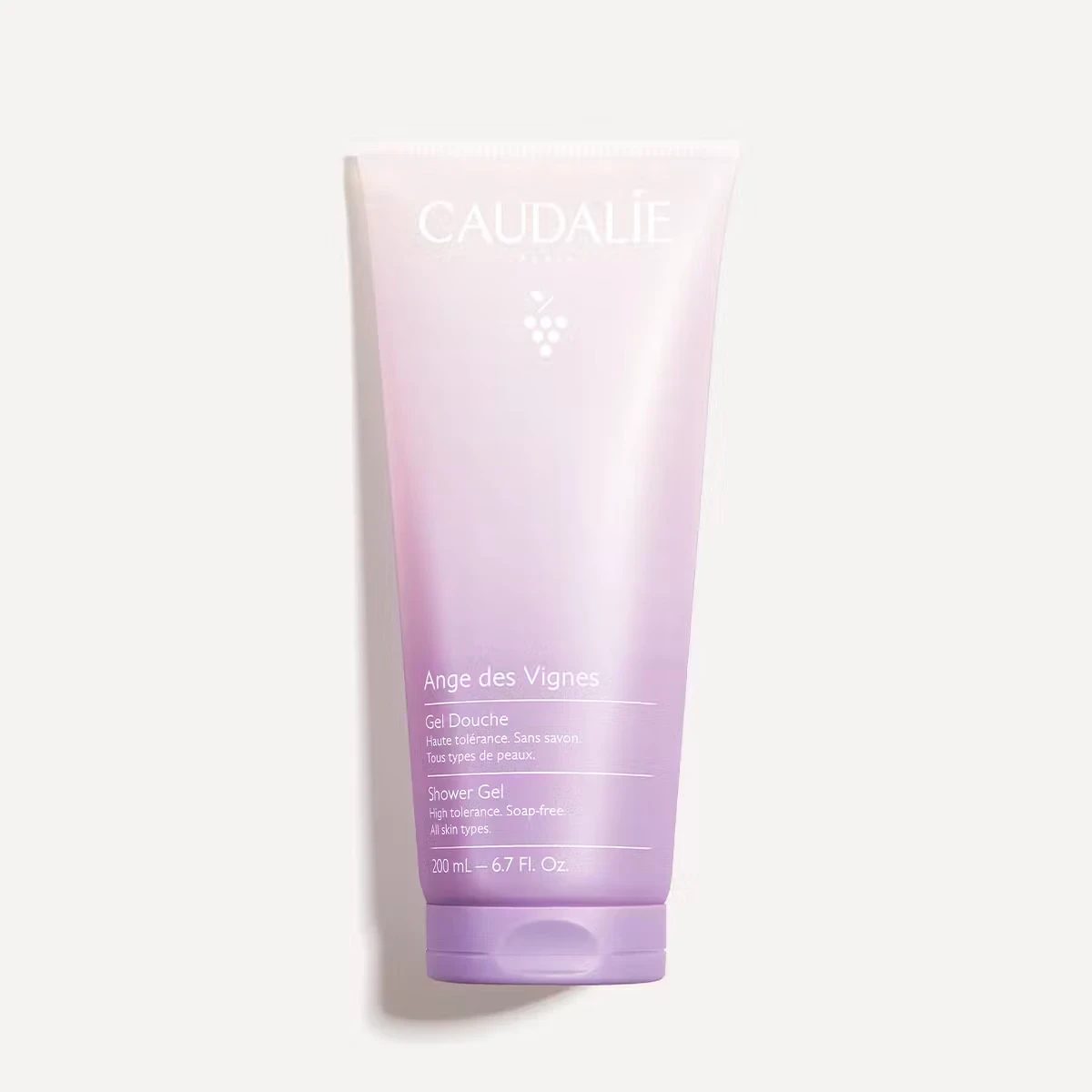
French dermocosmetics brand combining dermatological expertise with scientific innovation — part of our first edition.
Discover the brand →Products
Related searches
Related ingredients
Vitamin C
Approved claims
Cranberry is the fruit of Vaccinium macrocarpon (Ericaceae), a tart red berry used as a food and as a raw material for supplements. In products it appears as dried fruit powder, juice concentrate, or fruit extract, often standardised for polyphenols, especially proanthocyanidins (PACs), with A‑type PACs frequently highlighted. Its natural composition also includes anthocyanins, flavonols and organic acids, while the levels of these constituents vary with cultivar and processing. Cranberry is most commonly presented in capsules, tablets, drink powders and liquid formats; in cosmetics it may be used as a fruit extract or as a plant-derived aromatic component in formulations.
Rose hip (Rosa canina) is a wild rose species; in products, the main material used is its fruit, commonly called the “hip”, as well as the seeds. In supplements it appears as dried fruit powder, fruit extract (e.g., extraction ratios such as 4:1), or as a standardised extract, typically presented in capsules, tablets, powders, or blended botanical formulas. In cosmetics it is listed under INCI names such as Rosa Canina Fruit Extract, Rosa Canina Fruit Oil, or Rosa Canina Seed Oil, used in oils, serums, creams, and balms. The raw material may be produced with carriers/solvents such as glycerin or glycols for extracts, or by pressing/extraction for oils from the fruit or seeds. On labels it may also be written as “rosehip” or “dog rose”, referring to the same botanical species.
Centella asiatica is a herbaceous plant from the Apiaceae family, widely used in cosmetics as a source of botanical extracts. In formulations it most often appears as extracts from aerial parts or leaves, declared under INCI names such as Centella Asiatica Extract or Centella Asiatica Leaf Extract, alongside other closely related centella-derived entries. Extracts may be prepared in water, glycerin, or other cosmetic solvents and are frequently standardised to characteristic triterpene fractions often referred to in cosmetic literature as “centellosides” (e.g., asiaticoside, madecassoside) or as a titrated extract. In skincare it is incorporated into a range of textures including creams, serums, gels, and emulsions, typically as a botanical component of the water phase or as a solubilised extract. Labels may also list cell-culture derived materials (e.g., callus/meristem cell culture) or leaf water, which remain centella-derived materials from the same botanical source. When used in food supplements, it is generally presented as a plant extract in capsules or powders, with specifications that vary by manufacturer.
Green tea extract is a concentrated preparation of naturally occurring constituents from the leaves of Camellia sinensis, typically obtained with water, ethanol, or mixed solvents and then supplied as a dry powder or a standardised liquid. In food supplements it is commonly presented as an extract standardised to polyphenols/catechins, with particular focus on (-)-epigallocatechin-3-gallate (EGCG), and it may be decaffeinated or retain part of tea’s naturally occurring caffeine. Composition varies with plant material, processing and extraction ratio, so labels may declare percentages of catechins, EGCG or total polyphenols. In cosmetics it is used as a botanical raw material under the INCI name Camellia Sinensis Leaf Extract, often delivered in aqueous, glycerinic or hydro-glycolic bases and incorporated into serums, creams, toners and masks. It may also appear as “green tea water” or as catechin-enriched fractions depending on the formulation approach. Although it comes from the same plant used for green, white, oolong and black tea, the extract’s profile is defined by the chosen extraction and standardisation.
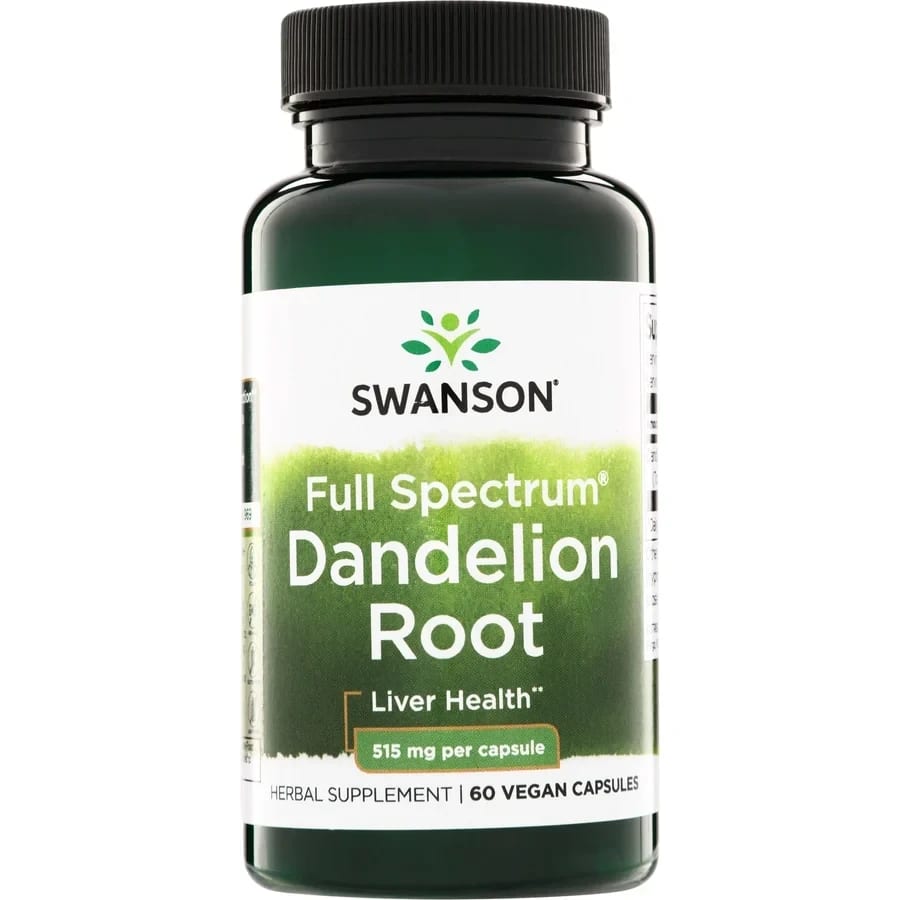
Dandelion (Taraxacum officinale) is a perennial herbaceous plant from the Asteraceae family, widely found across Europe and beyond. In supplements it is typically used as a botanical extract from the root and/or leaves, presented as a powder, capsule, tablet, or liquid, with specifications that vary by plant part and extraction method. In cosmetics it appears under INCI naming, most commonly as “Taraxacum Officinale Extract”, as well as more specific variants that indicate the plant part (e.g., root or aerial parts). Extracts may be water-based, glycerin-based, or hydroalcoholic and are incorporated into formulas such as serums, creams, toners, and scalp-care products. The plant’s natural composition includes a complex mixture of botanical constituents such as polyphenols and sesquiterpene lactones, which can vary with origin and standardisation. On labels, the Latin botanical name is commonly used to ensure precise identification of the species.
Valerian (Valeriana officinalis L.) is a perennial herb; in products the dried root and rhizome are most commonly used and may appear on labels as “valerian root” or Valerianae radix. The plant material is typically processed as root powder, a dry extract, or a hydroalcoholic extract, and it may be standardised to characteristic constituents such as valerenic acids. In food supplements it is commonly presented in capsules, tablets, or liquid drops, either alone or blended with other botanical extracts. In cosmetics it can appear as a botanical ingredient or fragrance-related component, with INCI names such as Valeriana Officinalis Rhizome/Root Extract. The botanical species and plant part matter, because the name “valerian” is sometimes used more loosely for other Valeriana species.
Pumpkin seed oil is a plant oil obtained from the seeds of Cucurbita pepo, typically by cold pressing or by pressing after seed roasting, depending on the production tradition. It is a natural mixture of triglycerides rich in unsaturated fatty acids, commonly dominated by linoleic and oleic acids, alongside smaller unsaponifiable fractions. In food supplements it is found as a neat oil in softgel capsules, or as part of blends with other vegetable oils. In cosmetics it is used as an emollient oil in serums, creams and body products, often refined for stability and a more neutral odour. On cosmetic ingredient lists it most commonly appears under the INCI name “Cucurbita Pepo Seed Oil”. Its colour can range from golden yellow to deep green, depending on the raw material and processing method.
Approved claims
Tribulus terrestris is a herbaceous plant from the Zygophyllaceae family, widely known in botanical literature as “puncture vine”, with product uses typically involving the fruit, aerial parts, and root. In food supplements it is most often found as a plant powder or as a dry extract, frequently standardised for steroidal saponins (e.g., furostanol glycosides) and sometimes declared with a percentage of protodioscin, depending on plant part and origin. The chemical profile of extracts can vary markedly with chemotype, extraction method, and standardisation approach, so labels may also specify an extract ratio (e.g., DER) or percentages of defined fractions. In cosmetics it may appear as a botanical extract for topical use, listed under an INCI name that specifies the plant part (for example, a root extract or a fruit/stem extract). In formulations it is commonly combined with other botanicals and carriers such as maltodextrin, while in topical products it may be included in serums, creams, or toners featuring plant extracts.