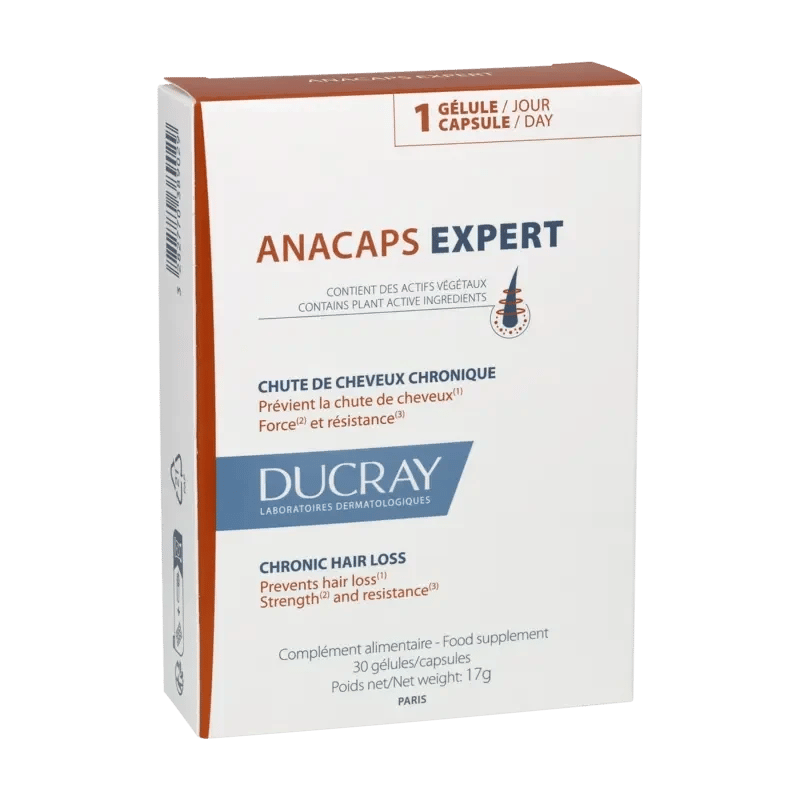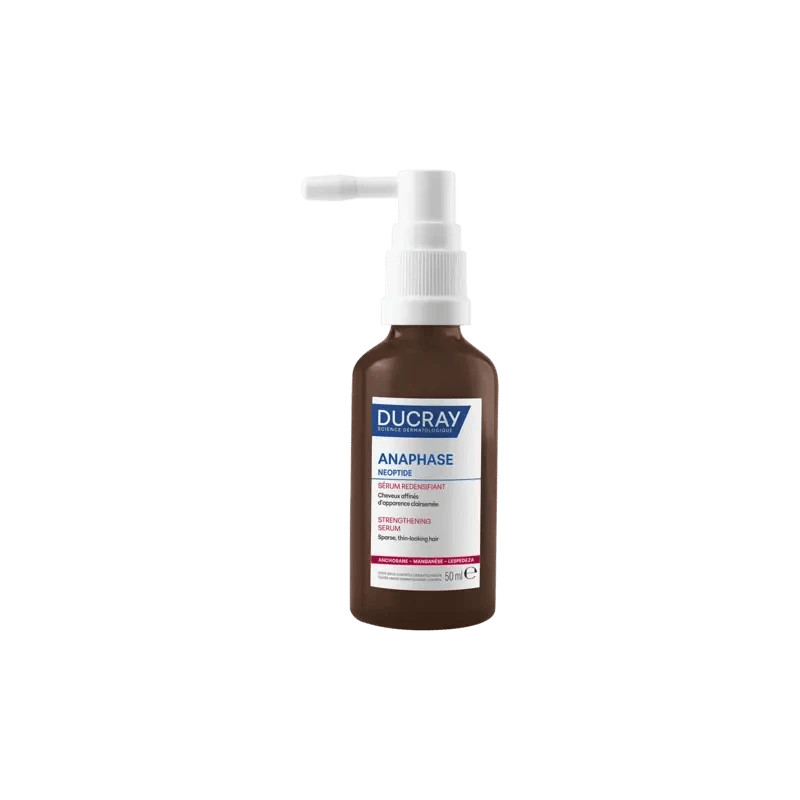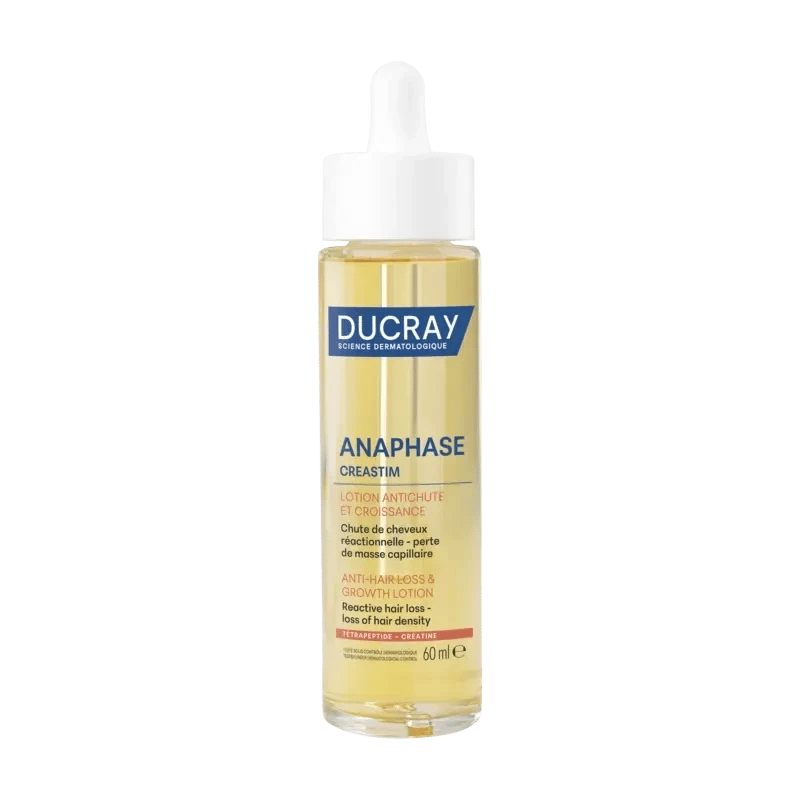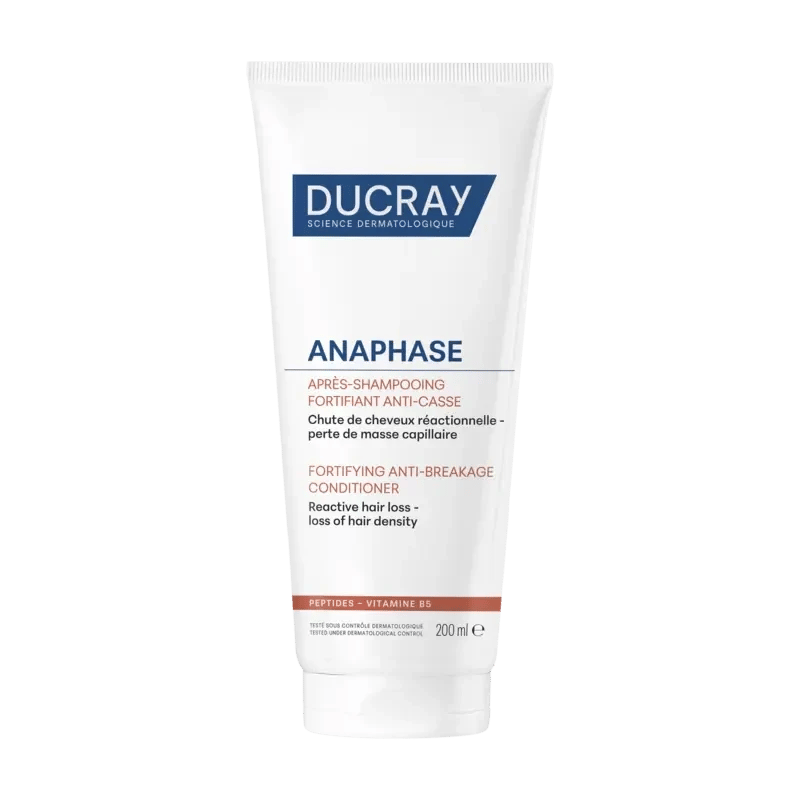
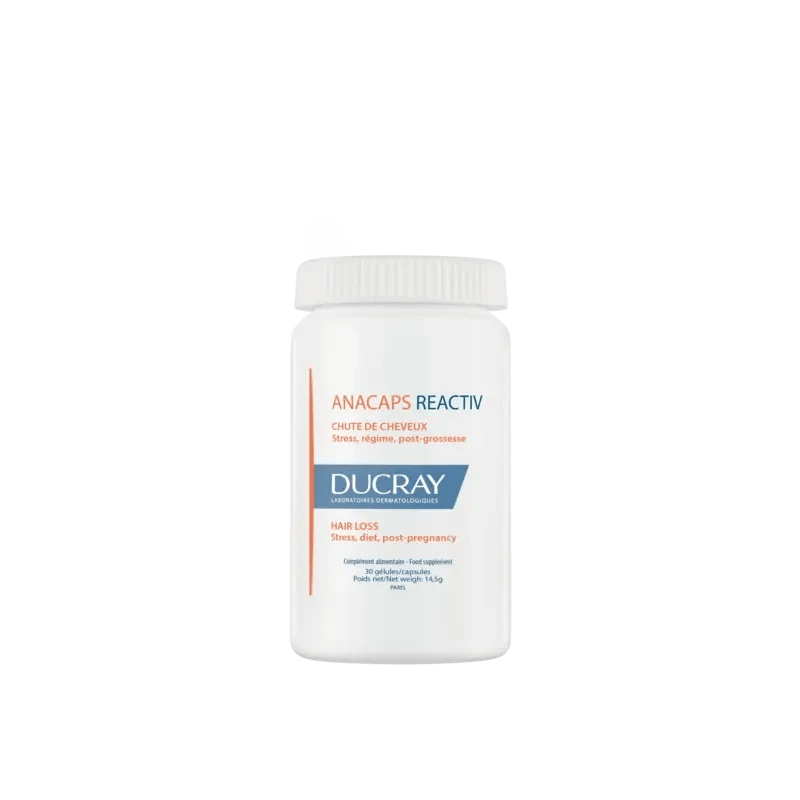
Ducray

French dermocosmetics brand combining dermatological expertise with scientific innovation — part of our first edition.
Discover the brand →Products
Related searches
Related ingredients
Approved claims
Cranberry is the fruit of Vaccinium macrocarpon (Ericaceae), a tart red berry used as a food and as a raw material for supplements. In products it appears as dried fruit powder, juice concentrate, or fruit extract, often standardised for polyphenols, especially proanthocyanidins (PACs), with A‑type PACs frequently highlighted. Its natural composition also includes anthocyanins, flavonols and organic acids, while the levels of these constituents vary with cultivar and processing. Cranberry is most commonly presented in capsules, tablets, drink powders and liquid formats; in cosmetics it may be used as a fruit extract or as a plant-derived aromatic component in formulations.
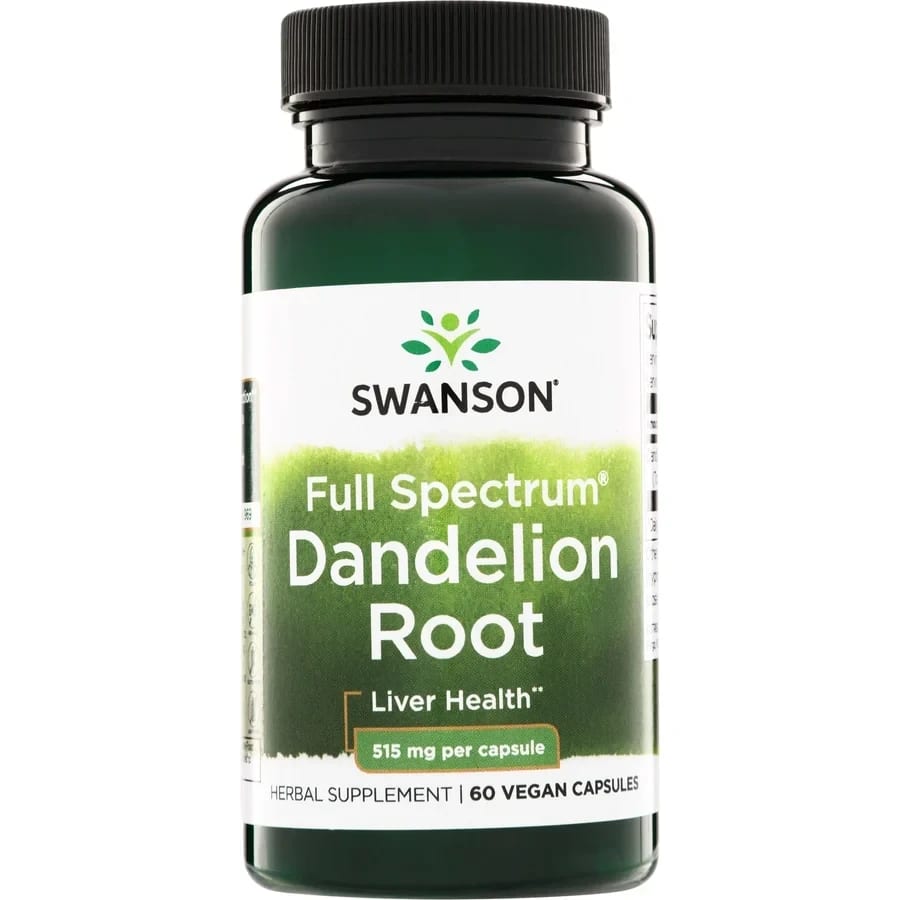
Dandelion (Taraxacum officinale) is a perennial herbaceous plant from the Asteraceae family, widely found across Europe and beyond. In supplements it is typically used as a botanical extract from the root and/or leaves, presented as a powder, capsule, tablet, or liquid, with specifications that vary by plant part and extraction method. In cosmetics it appears under INCI naming, most commonly as “Taraxacum Officinale Extract”, as well as more specific variants that indicate the plant part (e.g., root or aerial parts). Extracts may be water-based, glycerin-based, or hydroalcoholic and are incorporated into formulas such as serums, creams, toners, and scalp-care products. The plant’s natural composition includes a complex mixture of botanical constituents such as polyphenols and sesquiterpene lactones, which can vary with origin and standardisation. On labels, the Latin botanical name is commonly used to ensure precise identification of the species.
Vitamin D3 (cholecalciferol) is a fat-soluble vitamin naturally present in the body and in some animal-derived foods. In dietary supplements, it is commonly used as cholecalciferol, dissolved in oil and measured in micrograms (µg) or international units (IU), in soft capsules, drops, or tablets. The raw material can come from lanolin (sheep wool fat) or from vegan sources through fermentation and subsequent processing. In cosmetic formulations, it may appear as an ingredient in small amounts, usually listed on the label with the INCI name "Cholecalciferol." As a substance, it is a derivative of sterols with a lipophilic structure, often combined with oil carriers for stability and distribution. In products, the designation "D3" is used to distinguish it from vitamin D2 (ergocalciferol), which is another form of vitamin D.
Approved claims
Approved claims
Coenzyme Q10 is a lipophilic benzoquinone (ubiquinone-10) that occurs naturally in human cells and in many foods in small amounts. In food supplements it is typically provided as ubiquinone (the oxidised form) or ubiquinol (the reduced form), commonly dispersed in oils or microencapsulated for softgels, capsules or powders. In cosmetics it is most often declared under the INCI name “Ubiquinone” and is used in emulsions such as face creams, eye-area products, serums and body lotions. As a fat-soluble molecule, it is usually formulated into the oil phase and paired with other formula antioxidants to support stability. On labels it may also appear as “ubidecarenone”, a naming variant used in some markets for the same substance. Cosmetic- and supplement-grade material may be produced by fermentation or synthesis and then standardised for purity.
Red clover (Trifolium pratense L.) is a herbaceous plant from the legume family (Fabaceae), recognised by its pink flower heads. In supplements it is most often used as a botanical extract from the flowering tops or flowers, frequently standardised to its isoflavone content (e.g., biochanin A, formononetin, daidzein, genistein). Such extracts appear in capsules, tablets, powders or liquid drops, and may be listed on labels as “Trifolium pratense extract” or as flower/leaf-derived extracts. In cosmetics it is used as a flower or leaf extract declared under its INCI name, and may be supplied in aqueous, glycerinic or hydroalcoholic bases. In topical formulas it is found in serums, creams and scalp or skin products, often as part of multi-botanical blends. The exact composition depends on the plant part, extraction method and the degree of standardisation.
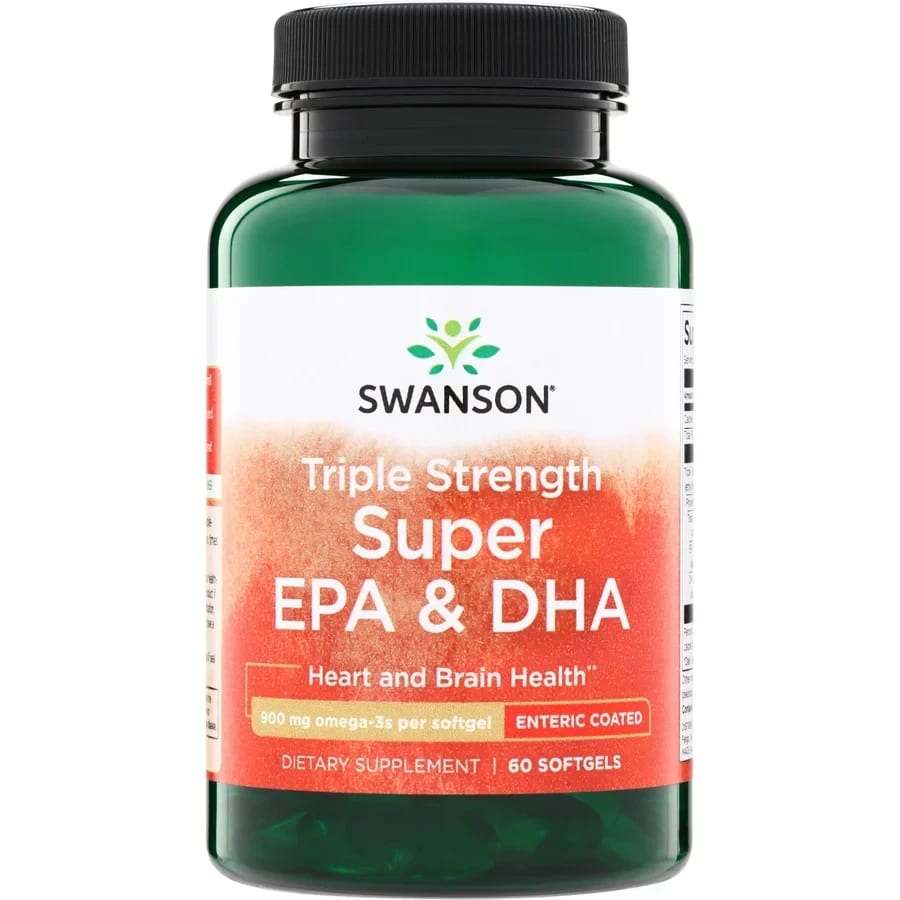
Krill oil is a marine oil obtained from Antarctic krill (Euphausia superba), a small planktonic crustacean. In food supplements it is used as a source of long-chain omega-3 fatty acids, mainly EPA and DHA, which in krill are often present in phospholipid-bound forms alongside a fraction of triglycerides. Commercial products are typically standardised for their EPA+DHA content and are most commonly presented as softgel capsules, more rarely as a liquid oil. As an animal-derived ingredient, its composition can vary with extraction and purification methods. In formulations, krill oil may be combined with added antioxidants to support oxidative stability and with other marine oils.
Bifidobacterium refers to a genus of Gram‑positive, anaerobic bacteria that naturally occur in the human and mammalian gastrointestinal tract. In food supplements it is typically present as live cultures identified at species level and often at strain level, shown on labels with a Latin name plus a strain code or number. Because many bifidobacteria are sensitive to oxygen and moisture, common presentations are capsules or powders using protective technologies (e.g., protective matrices or microencapsulation) and the amount is usually expressed as CFU. In cosmetics, the genus name is most often encountered through fermentation-derived materials, such as Bifida Ferment Lysate or related ferment filtrates, which are not necessarily live microorganisms. These fermented materials are used in water-based formulas such as serums and creams as soluble biotech ingredients. In practice, “Bifidobacterium” on an ingredient list may indicate either an oral probiotic culture or a topical ferment derivative, so the exact meaning depends on the form stated on the label.
Tribulus terrestris is a herbaceous plant from the Zygophyllaceae family, widely known in botanical literature as “puncture vine”, with product uses typically involving the fruit, aerial parts, and root. In food supplements it is most often found as a plant powder or as a dry extract, frequently standardised for steroidal saponins (e.g., furostanol glycosides) and sometimes declared with a percentage of protodioscin, depending on plant part and origin. The chemical profile of extracts can vary markedly with chemotype, extraction method, and standardisation approach, so labels may also specify an extract ratio (e.g., DER) or percentages of defined fractions. In cosmetics it may appear as a botanical extract for topical use, listed under an INCI name that specifies the plant part (for example, a root extract or a fruit/stem extract). In formulations it is commonly combined with other botanicals and carriers such as maltodextrin, while in topical products it may be included in serums, creams, or toners featuring plant extracts.