Lirene

French dermocosmetics brand combining dermatological expertise with scientific innovation — part of our first edition.
Discover the brand →Products
Related searches
Related ingredients
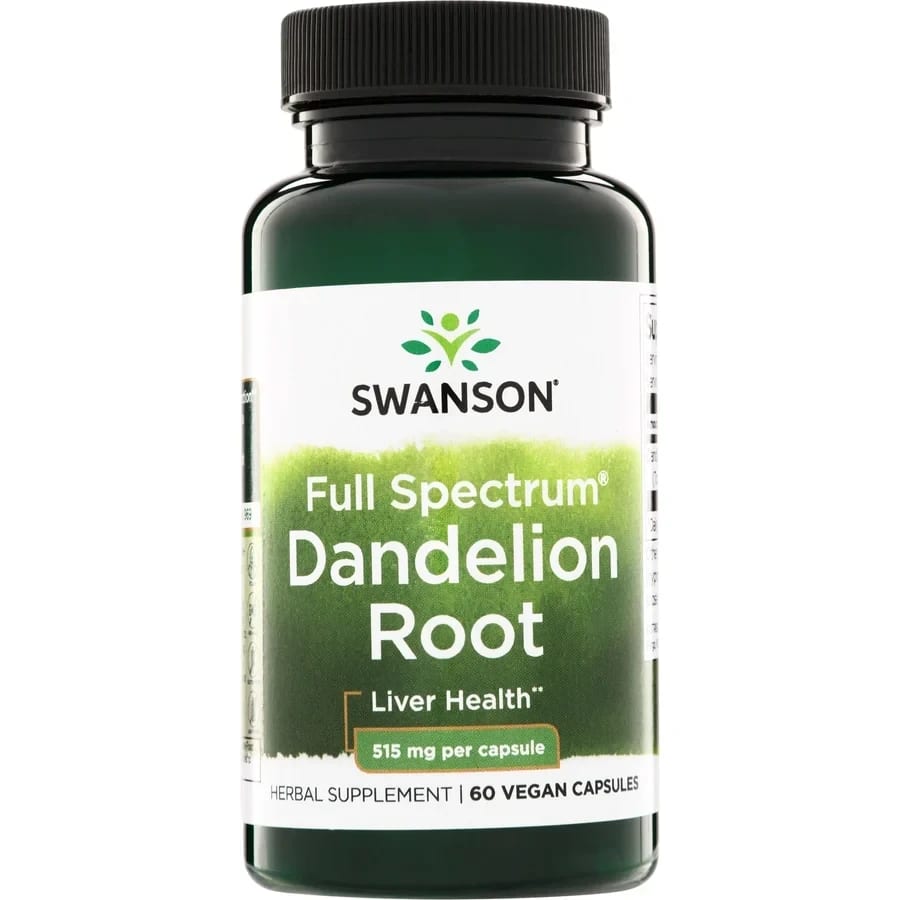
Dandelion (Taraxacum officinale) is a perennial herbaceous plant from the Asteraceae family, widely found across Europe and beyond. In supplements it is typically used as a botanical extract from the root and/or leaves, presented as a powder, capsule, tablet, or liquid, with specifications that vary by plant part and extraction method. In cosmetics it appears under INCI naming, most commonly as “Taraxacum Officinale Extract”, as well as more specific variants that indicate the plant part (e.g., root or aerial parts). Extracts may be water-based, glycerin-based, or hydroalcoholic and are incorporated into formulas such as serums, creams, toners, and scalp-care products. The plant’s natural composition includes a complex mixture of botanical constituents such as polyphenols and sesquiterpene lactones, which can vary with origin and standardisation. On labels, the Latin botanical name is commonly used to ensure precise identification of the species.
Lycopene is a lipophilic carotenoid (a naturally occurring red pigment) found in tomatoes and other red fruits and vegetables. Chemically it is a C40H56 tetraterpene hydrocarbon with many double bonds, occurring as all‑trans and cis isomers. In supplements it is used as isolated lycopene or as a standardised tomato oleoresin/tomato extract, commonly formulated in oil-based softgels to keep it solubilised. On labels it may also appear as “E160d” when used as a food colour. In cosmetics it is used in lipophilic systems such as serums and creams, typically dispersed in the oil phase or encapsulated to improve stability and handling. Industrial sources include tomato-derived extracts and, in some products, lycopene produced from microbial sources or supplied in stabilised forms such as beadlets.
Essential mineral for haemoglobin and oxygen transport in the blood.
Approved claims
Essential mineral for thyroid hormone synthesis.
Approved claims
Red clover (Trifolium pratense L.) is a herbaceous plant from the legume family (Fabaceae), recognised by its pink flower heads. In supplements it is most often used as a botanical extract from the flowering tops or flowers, frequently standardised to its isoflavone content (e.g., biochanin A, formononetin, daidzein, genistein). Such extracts appear in capsules, tablets, powders or liquid drops, and may be listed on labels as “Trifolium pratense extract” or as flower/leaf-derived extracts. In cosmetics it is used as a flower or leaf extract declared under its INCI name, and may be supplied in aqueous, glycerinic or hydroalcoholic bases. In topical formulas it is found in serums, creams and scalp or skin products, often as part of multi-botanical blends. The exact composition depends on the plant part, extraction method and the degree of standardisation.
Enzyme that helps digest milk lactose.
Approved claims
Passionflower commonly refers to Passiflora incarnata L., a climbing plant in the Passifloraceae family; in supplements the aerial parts (herb) are most often used. On labels it may appear as dried cut-and-sifted herb, powdered herb, dry extract, or as a tincture/fluid extract, frequently prepared with water–ethanol mixtures and expressed with an extract ratio (e.g., DER) or as dried-herb equivalent. Extract composition varies with plant part and extraction method, so products may be standardized according to manufacturer specifications. In cosmetics it is used as a botanical extract under its INCI naming, typically supplied in aqueous or hydro-glycolic media for face, body, and hair formulas. It can also be encountered as fruit extract or flower extract depending on the intended profile and the declared INCI. In finished products it is commonly presented as capsules, tablets, tea blends, or dropper liquids for oral use, and as an ingredient in creams, serums, and shampoos.
L-carnitine is a quaternary amino-acid derivative, chemically described as β-hydroxy-γ-trimethylaminobutyric acid, naturally present in the human body and in foods, especially those of animal origin. In supplements it is commonly used as free-form L-carnitine or as salts/esters that supply L-carnitine, such as L-carnitine L-tartrate, acetyl-L-carnitine, and propionyl-L-carnitine. These forms appear in capsules, tablets, powders, or liquids, with serving amounts varying widely depending on the formula. In cosmetics it may be included as a functional ingredient in leave-on or rinse-off products, typically at low concentrations and declared on the INCI list. On labels it can also appear as “carnitine” or under the specific form name, clearly indicating the source of the active substance. As a raw material it is typically offered with standardized purity and is often used in blended formulas alongside other amino acids, vitamins, or other supplement ingredients.
Essential mineral for immunity, wound healing, and the health of skin, hair, and nails.
Approved claims
L-theanine is a non‑proteinogenic amino acid, chemically described as N(5)-ethyl‑L‑glutamine, occurring naturally mainly in tea leaves (Camellia sinensis) and in some mushrooms. In supplements it is typically used as purified L‑theanine in powder or capsule form, obtained either from tea extraction or via fermentation/biotechnological production. On labels it may also appear simply as “theanine”, with the L‑form being the most commonly used in finished products. As a water‑soluble ingredient, it blends well into drink mixes, stick packs and soluble powders. In cosmetics it is less common but may be included as a conditioning component in water‑based formulas, generally at low concentrations and alongside humectants and other amino acids.