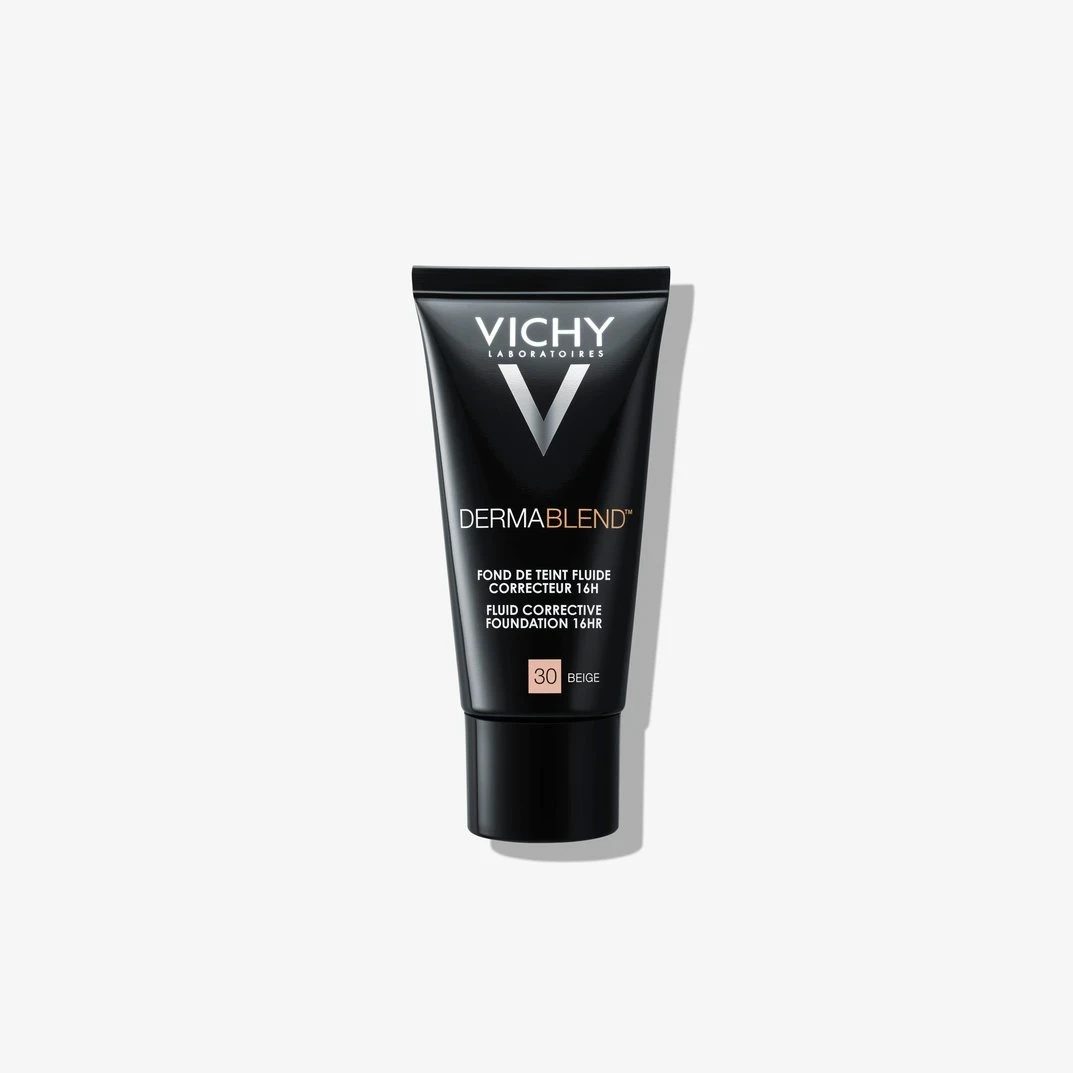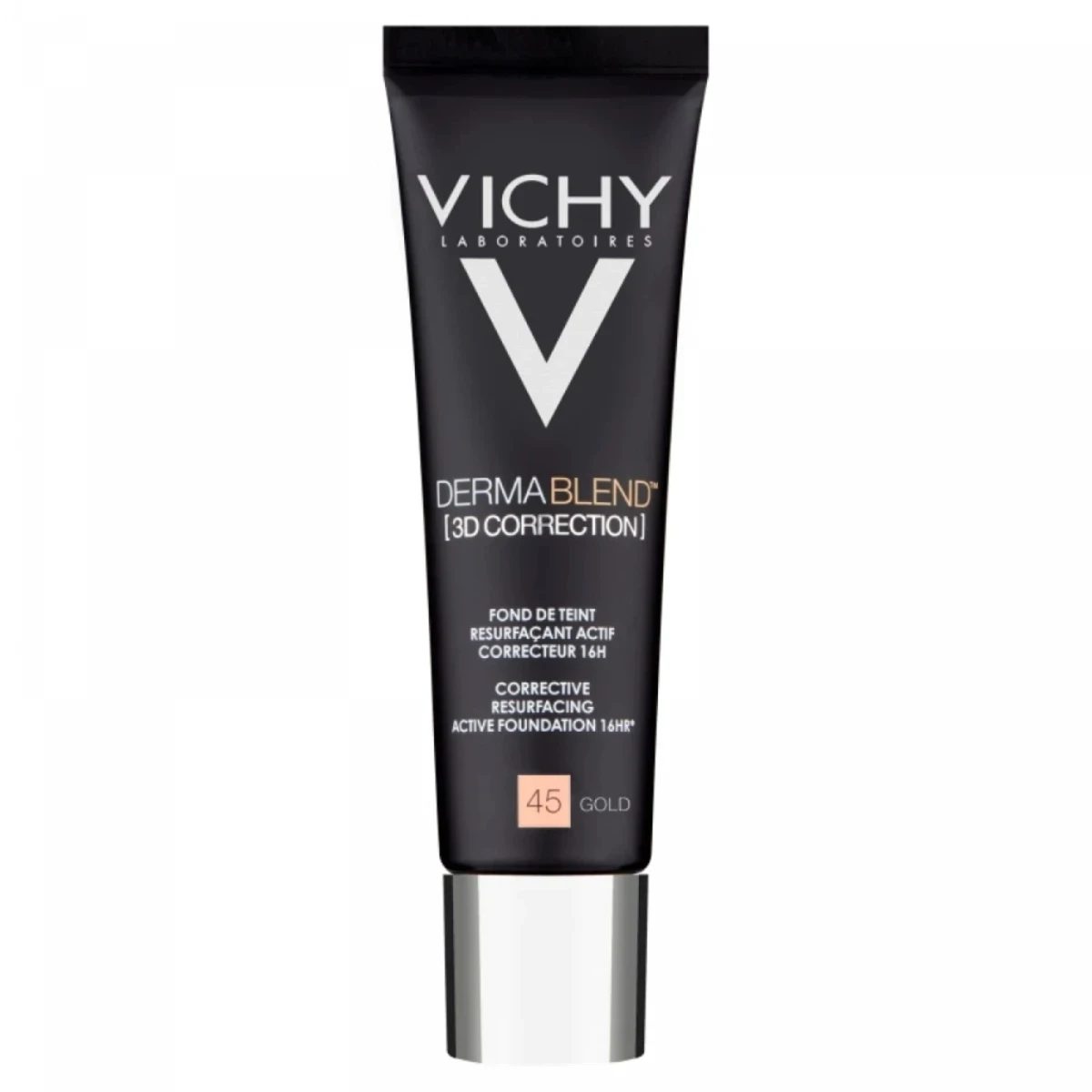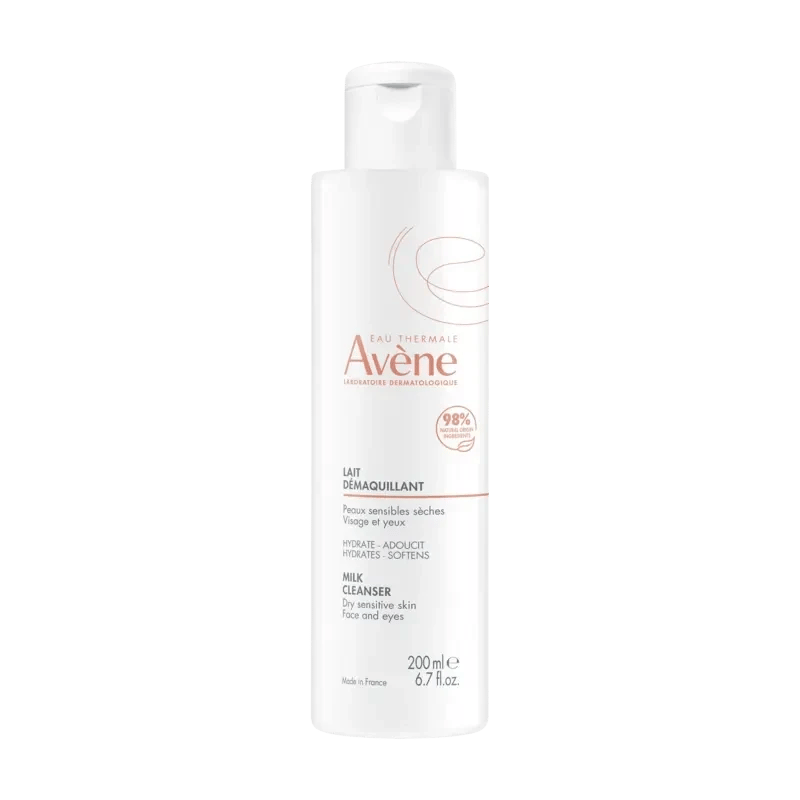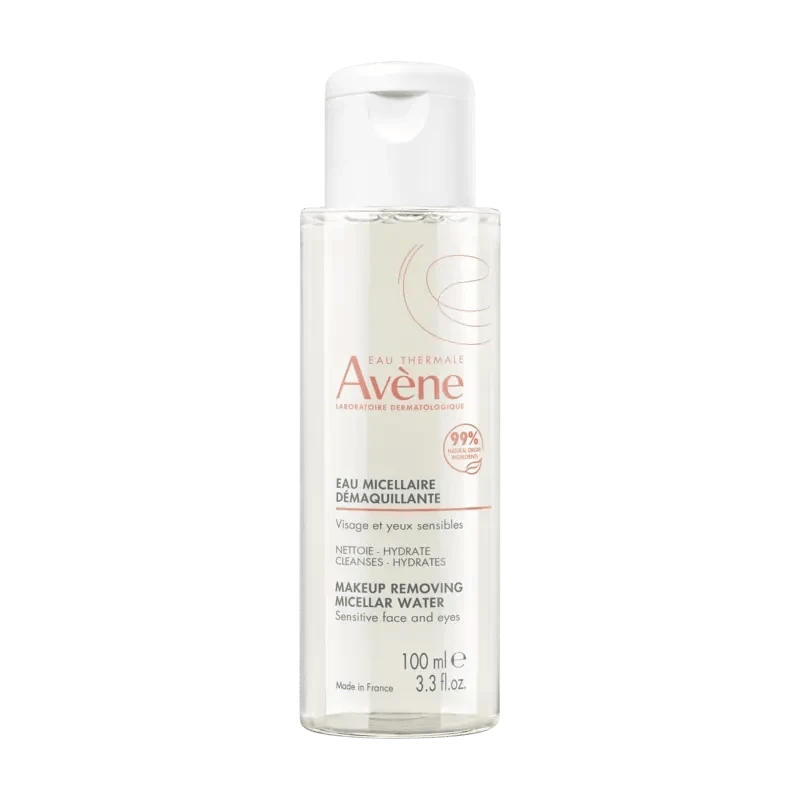
Vichy
Choose options
French dermocosmetics brand combining dermatological expertise with scientific innovation — part of our first edition.
Discover the brand →Products
Related searches
Related ingredients
Antioxidant mineral; supports immunity and the health of hair and nails.
Approved claims
Water-soluble B7 vitamin; supports energy metabolism and the health of hair, skin and nails.
Approved claims
Essential mineral for immunity, wound healing, and the health of skin, hair, and nails.
Approved claims
Trace mineral that helps macronutrient metabolism and blood glucose levels.
Approved claims
Fat-soluble vitamin; essential for vision, immunity, and skin.
Approved claims
Trace mineral required for immunity, connective tissue, and pigmentation.
Approved claims
Green tea extract is a concentrated preparation of naturally occurring constituents from the leaves of Camellia sinensis, typically obtained with water, ethanol, or mixed solvents and then supplied as a dry powder or a standardised liquid. In food supplements it is commonly presented as an extract standardised to polyphenols/catechins, with particular focus on (-)-epigallocatechin-3-gallate (EGCG), and it may be decaffeinated or retain part of tea’s naturally occurring caffeine. Composition varies with plant material, processing and extraction ratio, so labels may declare percentages of catechins, EGCG or total polyphenols. In cosmetics it is used as a botanical raw material under the INCI name Camellia Sinensis Leaf Extract, often delivered in aqueous, glycerinic or hydro-glycolic bases and incorporated into serums, creams, toners and masks. It may also appear as “green tea water” or as catechin-enriched fractions depending on the formulation approach. Although it comes from the same plant used for green, white, oolong and black tea, the extract’s profile is defined by the chosen extraction and standardisation.
Coenzyme Q10 is a lipophilic benzoquinone (ubiquinone-10) that occurs naturally in human cells and in many foods in small amounts. In food supplements it is typically provided as ubiquinone (the oxidised form) or ubiquinol (the reduced form), commonly dispersed in oils or microencapsulated for softgels, capsules or powders. In cosmetics it is most often declared under the INCI name “Ubiquinone” and is used in emulsions such as face creams, eye-area products, serums and body lotions. As a fat-soluble molecule, it is usually formulated into the oil phase and paired with other formula antioxidants to support stability. On labels it may also appear as “ubidecarenone”, a naming variant used in some markets for the same substance. Cosmetic- and supplement-grade material may be produced by fermentation or synthesis and then standardised for purity.
Centella asiatica is a herbaceous plant from the Apiaceae family, widely used in cosmetics as a source of botanical extracts. In formulations it most often appears as extracts from aerial parts or leaves, declared under INCI names such as Centella Asiatica Extract or Centella Asiatica Leaf Extract, alongside other closely related centella-derived entries. Extracts may be prepared in water, glycerin, or other cosmetic solvents and are frequently standardised to characteristic triterpene fractions often referred to in cosmetic literature as “centellosides” (e.g., asiaticoside, madecassoside) or as a titrated extract. In skincare it is incorporated into a range of textures including creams, serums, gels, and emulsions, typically as a botanical component of the water phase or as a solubilised extract. Labels may also list cell-culture derived materials (e.g., callus/meristem cell culture) or leaf water, which remain centella-derived materials from the same botanical source. When used in food supplements, it is generally presented as a plant extract in capsules or powders, with specifications that vary by manufacturer.
Essential mineral for thyroid hormone synthesis.
Approved claims