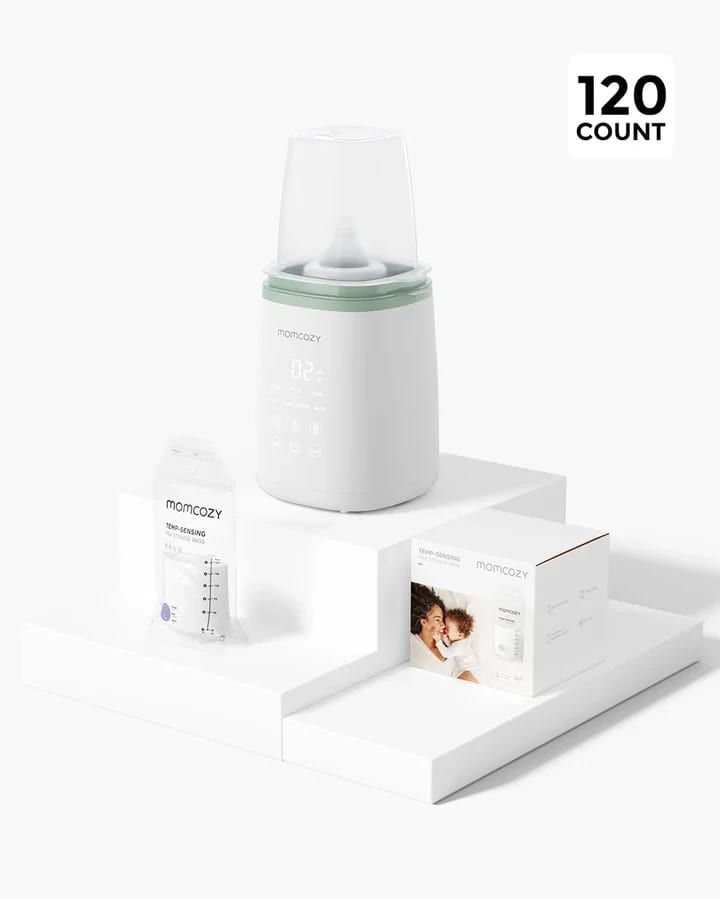

Momcozy

French dermocosmetics brand combining dermatological expertise with scientific innovation — part of our first edition.
Discover the brand →Products
Related searches
Related ingredients
Antioxidant trace mineral; supports bones and connective tissue.
Approved claims
D-mannose is a monosaccharide (a simple sugar) in the aldohexose family and a structural isomer of glucose, occurring naturally in some plants and also in the body as part of carbohydrate structures attached to proteins. In food supplements it is typically used as purified D-mannose supplied as a powder, capsules, or sachets, where it serves as a source of this specific sugar. Chemically it has the formula C6H12O6 and can exist in different ring forms in aqueous solution (e.g., mannopyranose). In cosmetics it may appear on the INCI list as MANNOSE and is used as a humectant, meaning a water-binding ingredient within the formula. You will see it in products such as creams, serums, or masks, usually at low percentages as part of a broader sugar-based moisturizing complex.
Coenzyme Q10 is a lipophilic benzoquinone (ubiquinone-10) that occurs naturally in human cells and in many foods in small amounts. In food supplements it is typically provided as ubiquinone (the oxidised form) or ubiquinol (the reduced form), commonly dispersed in oils or microencapsulated for softgels, capsules or powders. In cosmetics it is most often declared under the INCI name “Ubiquinone” and is used in emulsions such as face creams, eye-area products, serums and body lotions. As a fat-soluble molecule, it is usually formulated into the oil phase and paired with other formula antioxidants to support stability. On labels it may also appear as “ubidecarenone”, a naming variant used in some markets for the same substance. Cosmetic- and supplement-grade material may be produced by fermentation or synthesis and then standardised for purity.
Maca is the dried hypocotyl-root of the Andean plant Lepidium meyenii (Brassicaceae), known as a traditional food crop from high-altitude regions of Peru. In supplements it most commonly appears as whole-root powder, “gelatinised” powder (processed with heat and pressure to modify the starch fraction), or as a more concentrated extract, sometimes standardised to groups of naturally occurring constituents. Raw material may come from different colour types (e.g., yellow, red, black), which are often stated on labels as part of product identity. Its composition includes carbohydrates and fibre alongside plant-specific compounds such as glucosinolates and macamides, which can vary with origin and processing. It is used in capsules, tablets, drink-mix powders, and blended botanical formulas. In the EU, Lepidium meyenii is listed in the Novel Food Status Catalogue as having been used as food to a significant degree before 15 May 1997, so it is generally not classified as a novel food.
Vitamin C
Approved claims
Cranberry is the fruit of Vaccinium macrocarpon (Ericaceae), a tart red berry used as a food and as a raw material for supplements. In products it appears as dried fruit powder, juice concentrate, or fruit extract, often standardised for polyphenols, especially proanthocyanidins (PACs), with A‑type PACs frequently highlighted. Its natural composition also includes anthocyanins, flavonols and organic acids, while the levels of these constituents vary with cultivar and processing. Cranberry is most commonly presented in capsules, tablets, drink powders and liquid formats; in cosmetics it may be used as a fruit extract or as a plant-derived aromatic component in formulations.
Approved claims
Approved claims
Lactobacillus is a genus of lactic acid bacteria (LAB) naturally present in fermented foods and in the human microbiota. In food supplements it is typically used as a probiotic culture identified precisely by genus, species and often a strain code, while the amount is commonly expressed as CFU (colony-forming units). In recent years, many species formerly labelled as “Lactobacillus” have been reclassified into new genera (e.g., Lactiplantibacillus, Lacticaseibacillus, Limosilactobacillus), so both legacy and updated names may appear on labels for the same organisms. In products, these cultures are supplied as freeze-dried powders in capsules, sachets or tablets, often combined with prebiotics or additional bacterial strains. In cosmetics, “Lactobacillus” may also appear as part of ferments or ferment filtrates (INCI), where the material is not necessarily a live culture. Because “Lactobacillus” is a broad genus-level term, the exact nature of the ingredient depends on the declared species and strain on the label.
Collagen is a family of fibrous proteins naturally present in animal connective tissues and, in consumer products, it is most commonly sourced from bovine, porcine, or marine raw materials. In supplements it is frequently used as hydrolysed collagen, also labelled as “collagen peptides”, where the protein is broken down into smaller peptides to improve solubility and ease of use in powders, capsules, tablets, and ready-to-mix drinks. On labels it may appear as “hydrolyzed collagen” or “collagen peptides”, with the origin sometimes specified as marine, bovine, or porcine. In cosmetics, collagen is typically declared under the INCI name “Hydrolyzed Collagen” and is used in water-based formulas such as serums, creams, and masks, often at modest concentrations alongside humectants and film-forming polymers. As a material, it is a mixture primarily composed of amino acids, peptides, and proteins, with properties influenced by the source and degree of hydrolysis. Because it is protein-based, collagen-containing products can have a characteristic taste or odour, so flavoured options are also common.