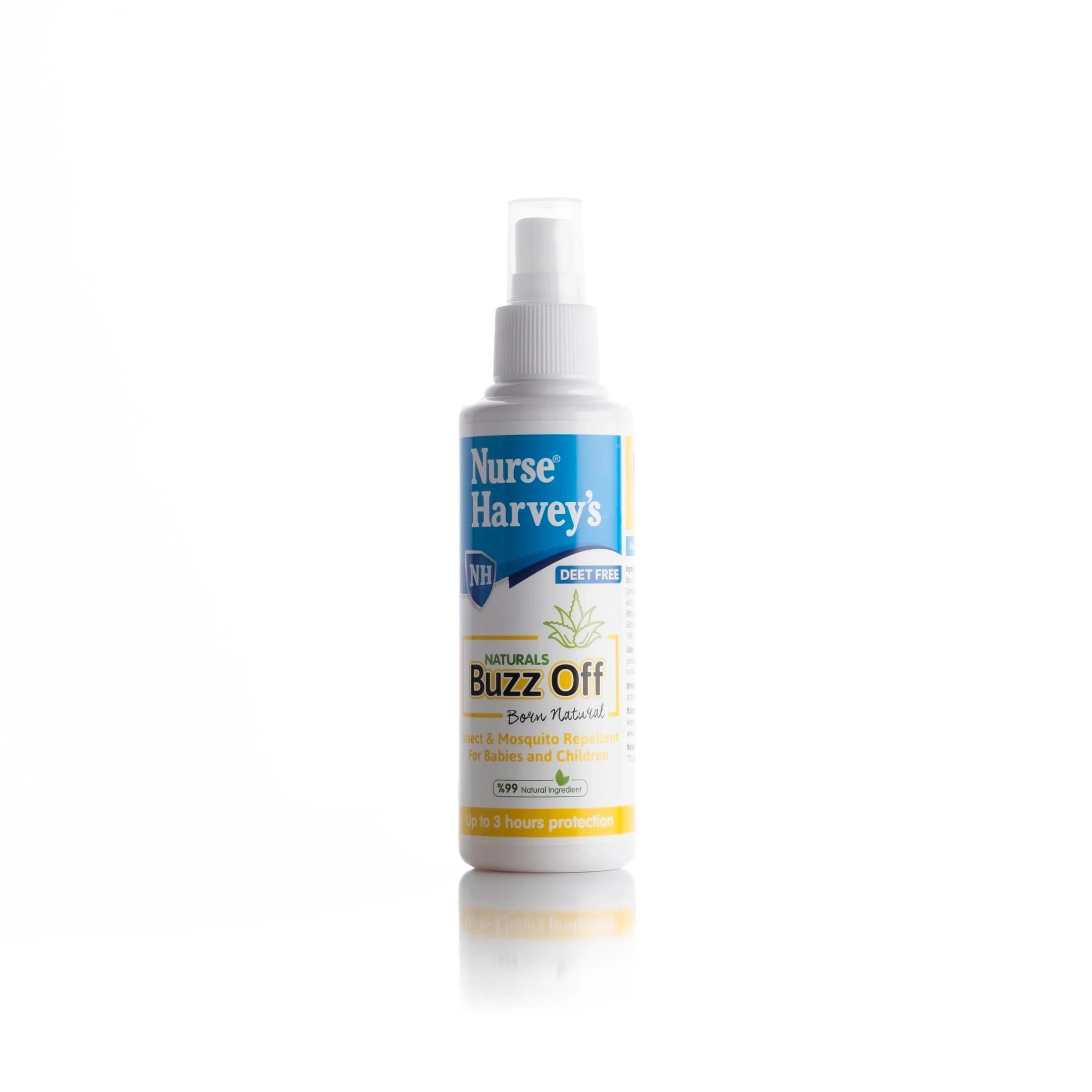

Nurse Harvey's

French dermocosmetics brand combining dermatological expertise with scientific innovation — part of our first edition.
Discover the brand →Products
Related searches
Related ingredients
Approved claims
Approved claims
Cranberry is the fruit of Vaccinium macrocarpon (Ericaceae), a tart red berry used as a food and as a raw material for supplements. In products it appears as dried fruit powder, juice concentrate, or fruit extract, often standardised for polyphenols, especially proanthocyanidins (PACs), with A‑type PACs frequently highlighted. Its natural composition also includes anthocyanins, flavonols and organic acids, while the levels of these constituents vary with cultivar and processing. Cranberry is most commonly presented in capsules, tablets, drink powders and liquid formats; in cosmetics it may be used as a fruit extract or as a plant-derived aromatic component in formulations.
Vitamin C
Approved claims
Natural stimulant of the central nervous system.
Approved claims
Garlic (Allium sativum) is the aromatic bulb of an Allium plant, widely used as a food and as a botanical raw material in supplements. In foods and supplements it may appear as dried garlic powder, as an extract (e.g., water- or alcohol-soluble), as an oil/oleoresin, or as preparations standardised to characteristic sulfur constituents. Its composition varies with processing, because sulfur compounds are formed and transformed during crushing, drying and extraction. In cosmetics, garlic-derived materials are used under INCI names such as Allium Sativum Bulb Extract or Allium Sativum (Garlic) Bulb Extract, typically in skin and hair formulas. Garlic can be incorporated as an encapsulated extract, as a glycerin/water-based botanical complex, or as controlled aromatic fractions to limit odour. On labels it may be listed as “garlic powder”, “garlic extract”, or by the plant’s Latin name depending on the product category.
Rose hip (Rosa canina) is a wild rose species; in products, the main material used is its fruit, commonly called the “hip”, as well as the seeds. In supplements it appears as dried fruit powder, fruit extract (e.g., extraction ratios such as 4:1), or as a standardised extract, typically presented in capsules, tablets, powders, or blended botanical formulas. In cosmetics it is listed under INCI names such as Rosa Canina Fruit Extract, Rosa Canina Fruit Oil, or Rosa Canina Seed Oil, used in oils, serums, creams, and balms. The raw material may be produced with carriers/solvents such as glycerin or glycols for extracts, or by pressing/extraction for oils from the fruit or seeds. On labels it may also be written as “rosehip” or “dog rose”, referring to the same botanical species.
Antioxidant mineral; supports immunity and the health of hair and nails.
Approved claims
Collagen is a family of fibrous proteins naturally present in animal connective tissues and, in consumer products, it is most commonly sourced from bovine, porcine, or marine raw materials. In supplements it is frequently used as hydrolysed collagen, also labelled as “collagen peptides”, where the protein is broken down into smaller peptides to improve solubility and ease of use in powders, capsules, tablets, and ready-to-mix drinks. On labels it may appear as “hydrolyzed collagen” or “collagen peptides”, with the origin sometimes specified as marine, bovine, or porcine. In cosmetics, collagen is typically declared under the INCI name “Hydrolyzed Collagen” and is used in water-based formulas such as serums, creams, and masks, often at modest concentrations alongside humectants and film-forming polymers. As a material, it is a mixture primarily composed of amino acids, peptides, and proteins, with properties influenced by the source and degree of hydrolysis. Because it is protein-based, collagen-containing products can have a characteristic taste or odour, so flavoured options are also common.