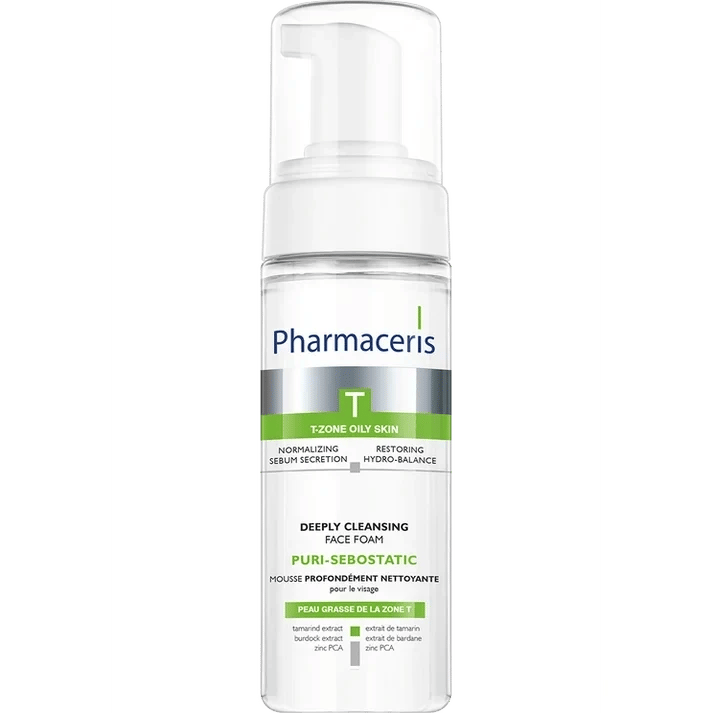
Pharmaceris

French dermocosmetics brand combining dermatological expertise with scientific innovation — part of our first edition.
Discover the brand →Products
Related searches
Related ingredients
Berberine is a yellow isoquinoline alkaloid that occurs naturally in several plants, including species of the genus Berberis and other botanicals. In food supplements it is most commonly used as an isolated substance or as a salt, most often berberine HCl, typically standardised to a high berberine content. It may also appear as part of botanical extracts where the label declares the berberine amount or a standardisation percentage. Typical product formats include capsules, tablets and powders, with the daily portion stated in milligrams. In cosmetics it can be present as a discrete ingredient or linked to a botanical source, and on INCI lists it may also be found as “Berberine Chloride”. Because it is a plant-derived isolated compound, labelling can vary between “berberine”, “berberine HCl”, and the names of root/bark extracts that supply it.
Tribulus terrestris is a herbaceous plant from the Zygophyllaceae family, widely known in botanical literature as “puncture vine”, with product uses typically involving the fruit, aerial parts, and root. In food supplements it is most often found as a plant powder or as a dry extract, frequently standardised for steroidal saponins (e.g., furostanol glycosides) and sometimes declared with a percentage of protodioscin, depending on plant part and origin. The chemical profile of extracts can vary markedly with chemotype, extraction method, and standardisation approach, so labels may also specify an extract ratio (e.g., DER) or percentages of defined fractions. In cosmetics it may appear as a botanical extract for topical use, listed under an INCI name that specifies the plant part (for example, a root extract or a fruit/stem extract). In formulations it is commonly combined with other botanicals and carriers such as maltodextrin, while in topical products it may be included in serums, creams, or toners featuring plant extracts.
Valerian (Valeriana officinalis L.) is a perennial herb; in products the dried root and rhizome are most commonly used and may appear on labels as “valerian root” or Valerianae radix. The plant material is typically processed as root powder, a dry extract, or a hydroalcoholic extract, and it may be standardised to characteristic constituents such as valerenic acids. In food supplements it is commonly presented in capsules, tablets, or liquid drops, either alone or blended with other botanical extracts. In cosmetics it can appear as a botanical ingredient or fragrance-related component, with INCI names such as Valeriana Officinalis Rhizome/Root Extract. The botanical species and plant part matter, because the name “valerian” is sometimes used more loosely for other Valeriana species.
Bifidobacterium refers to a genus of Gram‑positive, anaerobic bacteria that naturally occur in the human and mammalian gastrointestinal tract. In food supplements it is typically present as live cultures identified at species level and often at strain level, shown on labels with a Latin name plus a strain code or number. Because many bifidobacteria are sensitive to oxygen and moisture, common presentations are capsules or powders using protective technologies (e.g., protective matrices or microencapsulation) and the amount is usually expressed as CFU. In cosmetics, the genus name is most often encountered through fermentation-derived materials, such as Bifida Ferment Lysate or related ferment filtrates, which are not necessarily live microorganisms. These fermented materials are used in water-based formulas such as serums and creams as soluble biotech ingredients. In practice, “Bifidobacterium” on an ingredient list may indicate either an oral probiotic culture or a topical ferment derivative, so the exact meaning depends on the form stated on the label.
Cranberry is the fruit of Vaccinium macrocarpon (Ericaceae), a tart red berry used as a food and as a raw material for supplements. In products it appears as dried fruit powder, juice concentrate, or fruit extract, often standardised for polyphenols, especially proanthocyanidins (PACs), with A‑type PACs frequently highlighted. Its natural composition also includes anthocyanins, flavonols and organic acids, while the levels of these constituents vary with cultivar and processing. Cranberry is most commonly presented in capsules, tablets, drink powders and liquid formats; in cosmetics it may be used as a fruit extract or as a plant-derived aromatic component in formulations.
Lactobacillus is a genus of lactic acid bacteria (LAB) naturally present in fermented foods and in the human microbiota. In food supplements it is typically used as a probiotic culture identified precisely by genus, species and often a strain code, while the amount is commonly expressed as CFU (colony-forming units). In recent years, many species formerly labelled as “Lactobacillus” have been reclassified into new genera (e.g., Lactiplantibacillus, Lacticaseibacillus, Limosilactobacillus), so both legacy and updated names may appear on labels for the same organisms. In products, these cultures are supplied as freeze-dried powders in capsules, sachets or tablets, often combined with prebiotics or additional bacterial strains. In cosmetics, “Lactobacillus” may also appear as part of ferments or ferment filtrates (INCI), where the material is not necessarily a live culture. Because “Lactobacillus” is a broad genus-level term, the exact nature of the ingredient depends on the declared species and strain on the label.
Horny goat weed refers to several species of the genus Epimedium (Berberidaceae) used as a botanical ingredient in food supplements and, less commonly, in cosmetics. In products it is typically present as powdered aerial parts or as a concentrated extract, often standardised to an icariin content (a marker flavonoid), for example 10% or 20%. Because composition varies by species and extraction method, labels may state “Epimedium spp.” or name a specific species such as Epimedium brevicornum, E. sagittatum, or E. grandiflorum. In supplements it is most often supplied in capsules or tablets as a dry extract, sometimes blended with other botanicals. In cosmetics it may appear as a leaf/stem extract under an INCI name, used in water- or hydroglycol-based formulations.
Salicylic acid is an aromatic organic acid (2‑hydroxybenzoic acid) that occurs naturally in some plants and is widely used as a functional cosmetic ingredient. In formulations it appears as a crystalline powder and is typically incorporated via suitable phases/solvent systems, used either as the free acid or as salicylate salts (e.g., sodium salicylate, potassium salicylate, TEA‑salicylate). In skincare it is found in both leave‑on and rinse‑off products such as gels, serums, toners, creams, and cleansers, where the level is commonly expressed as “acid” (salicylic‑acid equivalent). In haircare it can be present in shampoos and scalp products. In some formulations it may also be used as a preservative, under specific regulatory conditions. pH selection and solubilisation strategy are part of the formulation design to keep the ingredient stable and compatible with other components.
Turmeric is the dried rhizome of Curcuma longa L. (Zingiberaceae), recognised for its deep yellow-orange colour and distinctive aroma. In foods and supplements it is used as ground rhizome powder or as an extract standardised in curcuminoids, where the main constituent is curcumin; labels may also list it simply as “curcumin”. In food applications it can also appear as the colouring additive E 100. In cosmetics it is used as milled plant material or as a rhizome extract, commonly supplied in aqueous, glycerinic, or oil-based carriers, and incorporated into formulas such as masks, serums, creams, and cleansers. Because the pigment is intense, formulations often focus on colour stability and reducing the risk of staining fabrics. More concentrated powdered extracts are also widely used for capsules, tablets, and powdered blends.
Red clover (Trifolium pratense L.) is a herbaceous plant from the legume family (Fabaceae), recognised by its pink flower heads. In supplements it is most often used as a botanical extract from the flowering tops or flowers, frequently standardised to its isoflavone content (e.g., biochanin A, formononetin, daidzein, genistein). Such extracts appear in capsules, tablets, powders or liquid drops, and may be listed on labels as “Trifolium pratense extract” or as flower/leaf-derived extracts. In cosmetics it is used as a flower or leaf extract declared under its INCI name, and may be supplied in aqueous, glycerinic or hydroalcoholic bases. In topical formulas it is found in serums, creams and scalp or skin products, often as part of multi-botanical blends. The exact composition depends on the plant part, extraction method and the degree of standardisation.