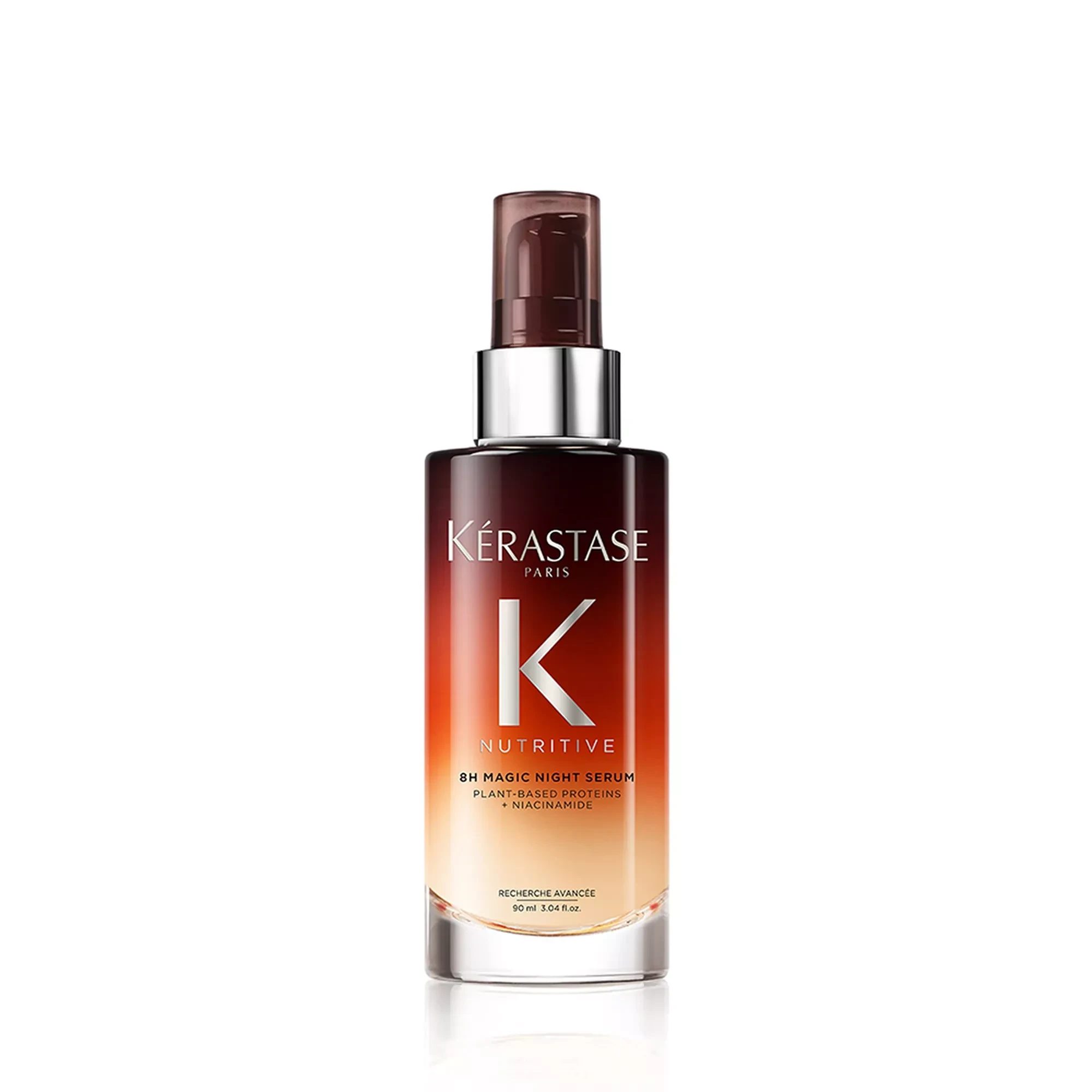
Kérastase

French dermocosmetics brand combining dermatological expertise with scientific innovation — part of our first edition.
Discover the brand →Products
Related searches
Related ingredients
Milk thistle is the plant Silybum marianum (L.) Gaertn., best known for its fruits/seeds, which are used to obtain botanical extracts containing a characteristic group of constituents referred to as silymarin (a complex of flavonolignans). In food supplements it is typically used as a seed/fruit extract, often standardised to a declared percentage of silymarin, and presented as capsules, tablets, powders or liquid drops. In cosmetics it may appear as a Silybum marianum extract in aqueous or glycerinic media, or as a lipid-linked derivative/ester designed for oil-based systems. On cosmetic ingredient lists it is usually named using INCI, such as Silybum Marianum Extract or Silybum Marianum Fruit Extract. Extract composition can vary with plant part, extraction method and degree of standardisation, so products carrying the same botanical name are not necessarily comparable. In finished products, milk thistle may be used alone or alongside other botanical extracts and common formulation antioxidants.
Collagen is a family of fibrous proteins naturally present in animal connective tissues and, in consumer products, it is most commonly sourced from bovine, porcine, or marine raw materials. In supplements it is frequently used as hydrolysed collagen, also labelled as “collagen peptides”, where the protein is broken down into smaller peptides to improve solubility and ease of use in powders, capsules, tablets, and ready-to-mix drinks. On labels it may appear as “hydrolyzed collagen” or “collagen peptides”, with the origin sometimes specified as marine, bovine, or porcine. In cosmetics, collagen is typically declared under the INCI name “Hydrolyzed Collagen” and is used in water-based formulas such as serums, creams, and masks, often at modest concentrations alongside humectants and film-forming polymers. As a material, it is a mixture primarily composed of amino acids, peptides, and proteins, with properties influenced by the source and degree of hydrolysis. Because it is protein-based, collagen-containing products can have a characteristic taste or odour, so flavoured options are also common.
Salicylic acid is an aromatic organic acid (2‑hydroxybenzoic acid) that occurs naturally in some plants and is widely used as a functional cosmetic ingredient. In formulations it appears as a crystalline powder and is typically incorporated via suitable phases/solvent systems, used either as the free acid or as salicylate salts (e.g., sodium salicylate, potassium salicylate, TEA‑salicylate). In skincare it is found in both leave‑on and rinse‑off products such as gels, serums, toners, creams, and cleansers, where the level is commonly expressed as “acid” (salicylic‑acid equivalent). In haircare it can be present in shampoos and scalp products. In some formulations it may also be used as a preservative, under specific regulatory conditions. pH selection and solubilisation strategy are part of the formulation design to keep the ingredient stable and compatible with other components.
Hyaluronic acid is a high–molecular weight polysaccharide (a glycosaminoglycan) that occurs naturally in connective tissues and body fluids. In cosmetic products it is very often present as the more water‑soluble salt Sodium Hyaluronate, and also as modified forms such as Hydrolyzed Hyaluronic Acid or Sodium Acetylated Hyaluronate, selected for molecular weight and skin feel. The raw material is commonly obtained via biotechnological fermentation and supplied as a powder or as an aqueous solution for easy incorporation into formulas. In skincare it is used in serums, creams, masks and eye products, where it contributes to texture and a smooth application sensorial. In food supplements it may appear as hyaluronan or sodium hyaluronate, typically in capsules or tablets, frequently alongside other structural ingredients. Modern formulations often combine multiple molecular weights or crosslinked derivatives (crosspolymers) to fine‑tune viscosity and product stability.
Antioxidant mineral; supports immunity and the health of hair and nails.
Approved claims
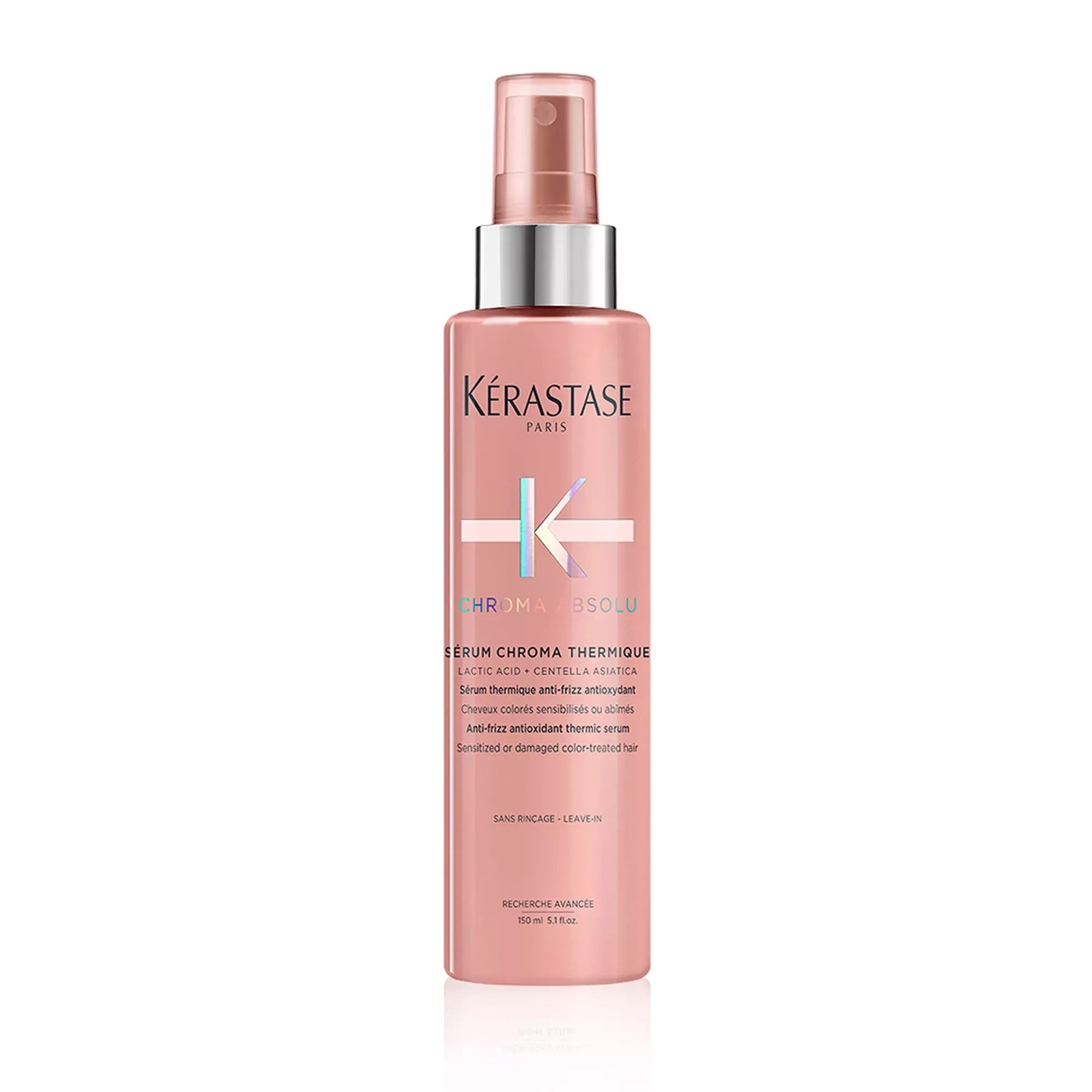
Centella asiatica is a herbaceous plant from the Apiaceae family, widely used in cosmetics as a source of botanical extracts. In formulations it most often appears as extracts from aerial parts or leaves, declared under INCI names such as Centella Asiatica Extract or Centella Asiatica Leaf Extract, alongside other closely related centella-derived entries. Extracts may be prepared in water, glycerin, or other cosmetic solvents and are frequently standardised to characteristic triterpene fractions often referred to in cosmetic literature as “centellosides” (e.g., asiaticoside, madecassoside) or as a titrated extract. In skincare it is incorporated into a range of textures including creams, serums, gels, and emulsions, typically as a botanical component of the water phase or as a solubilised extract. Labels may also list cell-culture derived materials (e.g., callus/meristem cell culture) or leaf water, which remain centella-derived materials from the same botanical source. When used in food supplements, it is generally presented as a plant extract in capsules or powders, with specifications that vary by manufacturer.
Vitamin D3 (cholecalciferol) is a fat-soluble vitamin naturally present in the body and in some animal-derived foods. In dietary supplements, it is commonly used as cholecalciferol, dissolved in oil and measured in micrograms (µg) or international units (IU), in soft capsules, drops, or tablets. The raw material can come from lanolin (sheep wool fat) or from vegan sources through fermentation and subsequent processing. In cosmetic formulations, it may appear as an ingredient in small amounts, usually listed on the label with the INCI name "Cholecalciferol." As a substance, it is a derivative of sterols with a lipophilic structure, often combined with oil carriers for stability and distribution. In products, the designation "D3" is used to distinguish it from vitamin D2 (ergocalciferol), which is another form of vitamin D.
Approved claims
Astaxanthin is a xanthophyll carotenoid, a fat-soluble red‑orange pigment that occurs naturally in certain microalgae and then enters the marine food chain. In supplements it is most commonly used as natural astaxanthin sourced from the microalga Haematococcus pluvialis, typically supplied as an oleoresin extract rich in astaxanthin, where a portion is present as fatty‑acid esters. Because it is oil‑soluble, it is frequently formulated in softgels with carrier oils (such as olive or sunflower/safflower oil) or as a standardised powder for capsules and tablets. On labels it may appear as “astaxanthin (from Haematococcus pluvialis extract)” or as a standardised algae extract with a declared astaxanthin percentage. In cosmetics it can be found in lipophilic formulas such as serums or creams, often encapsulated or dissolved into the oil phase to improve stability. As a carotenoid pigment it is sensitive to light and oxidation, so formulations commonly include technological antioxidants for protection.
Berberine is a yellow isoquinoline alkaloid that occurs naturally in several plants, including species of the genus Berberis and other botanicals. In food supplements it is most commonly used as an isolated substance or as a salt, most often berberine HCl, typically standardised to a high berberine content. It may also appear as part of botanical extracts where the label declares the berberine amount or a standardisation percentage. Typical product formats include capsules, tablets and powders, with the daily portion stated in milligrams. In cosmetics it can be present as a discrete ingredient or linked to a botanical source, and on INCI lists it may also be found as “Berberine Chloride”. Because it is a plant-derived isolated compound, labelling can vary between “berberine”, “berberine HCl”, and the names of root/bark extracts that supply it.
Tribulus terrestris is a herbaceous plant from the Zygophyllaceae family, widely known in botanical literature as “puncture vine”, with product uses typically involving the fruit, aerial parts, and root. In food supplements it is most often found as a plant powder or as a dry extract, frequently standardised for steroidal saponins (e.g., furostanol glycosides) and sometimes declared with a percentage of protodioscin, depending on plant part and origin. The chemical profile of extracts can vary markedly with chemotype, extraction method, and standardisation approach, so labels may also specify an extract ratio (e.g., DER) or percentages of defined fractions. In cosmetics it may appear as a botanical extract for topical use, listed under an INCI name that specifies the plant part (for example, a root extract or a fruit/stem extract). In formulations it is commonly combined with other botanicals and carriers such as maltodextrin, while in topical products it may be included in serums, creams, or toners featuring plant extracts.