Vichy

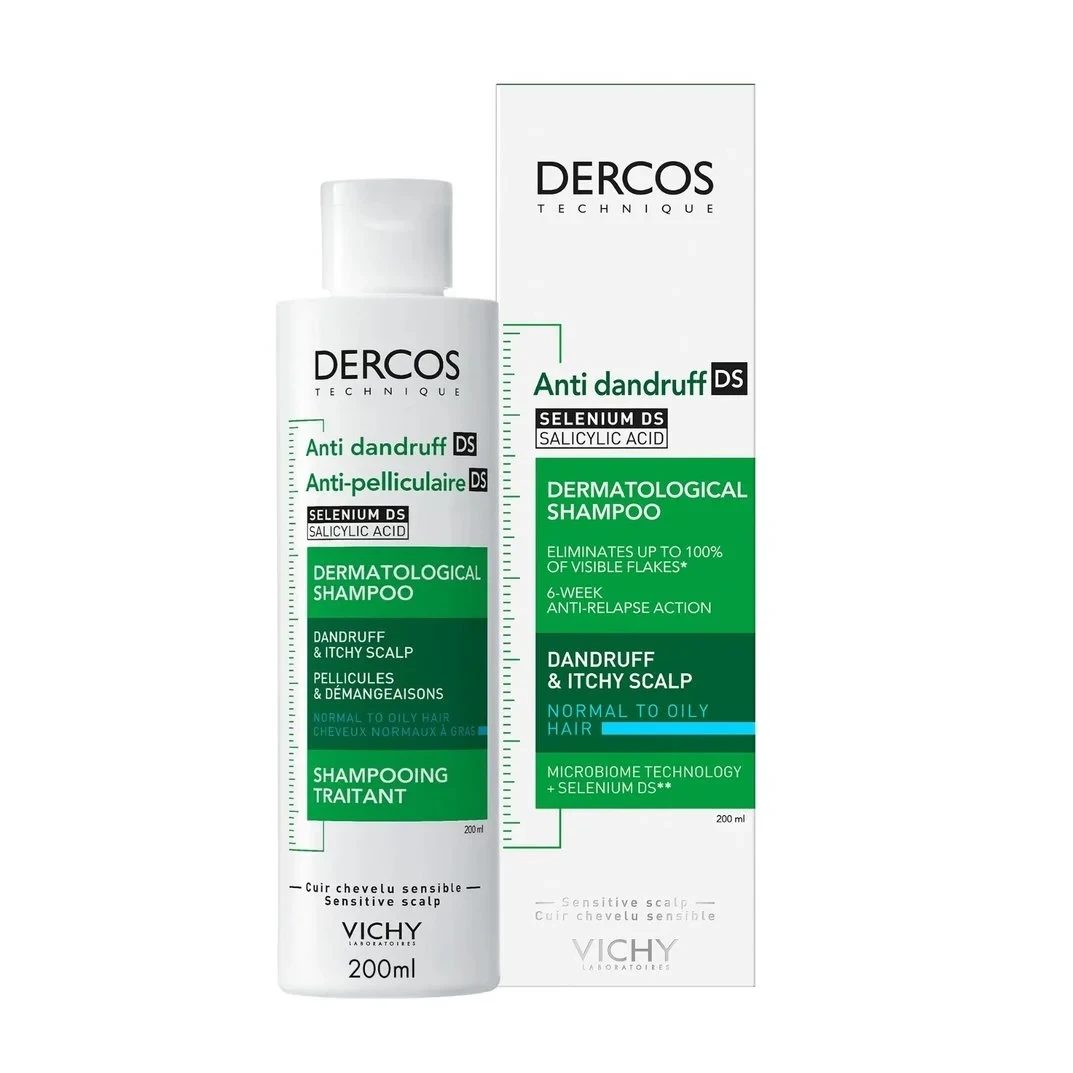
French dermocosmetics brand combining dermatological expertise with scientific innovation — part of our first edition.
Discover the brand →Products
Related searches
Related ingredients
Approved claims
Vitamin C
Approved claims
Vitamin D3 (cholecalciferol) is a fat-soluble vitamin naturally present in the body and in some animal-derived foods. In dietary supplements, it is commonly used as cholecalciferol, dissolved in oil and measured in micrograms (µg) or international units (IU), in soft capsules, drops, or tablets. The raw material can come from lanolin (sheep wool fat) or from vegan sources through fermentation and subsequent processing. In cosmetic formulations, it may appear as an ingredient in small amounts, usually listed on the label with the INCI name "Cholecalciferol." As a substance, it is a derivative of sterols with a lipophilic structure, often combined with oil carriers for stability and distribution. In products, the designation "D3" is used to distinguish it from vitamin D2 (ergocalciferol), which is another form of vitamin D.
Approved claims
Fat-soluble vitamin; essential for vision, immunity, and skin.
Approved claims
Essential mineral for immunity, wound healing, and the health of skin, hair, and nails.
Approved claims
Inositol is a six‑carbon polyol (sugar alcohol), chemically a cyclohexanehexol, occurring naturally in the human body and widely in plant foods. It exists as several stereoisomers, with myo‑inositol being the most prevalent form, while D‑chiro‑inositol is less abundant and is used either alone or in defined combinations in supplements. In foods and food supplements, inositol is typically supplied as a soluble powder or as capsules/tablets, most often as myo‑inositol, D‑chiro‑inositol, or as phosphorylated derivatives such as inositol hexaphosphate (IP6/phytate). In cosmetics it appears under the INCI name “INOSITOL” and is used in face, body, and hair formulas, usually at low levels within the water phase. Owing to its strongly hydrophilic character, it is easy to incorporate into serums, creams, toners, and leave‑in hair products. In formulations it may also be present as part of complexes alongside other humectant or conditioning ingredients.
Berberine is a yellow isoquinoline alkaloid that occurs naturally in several plants, including species of the genus Berberis and other botanicals. In food supplements it is most commonly used as an isolated substance or as a salt, most often berberine HCl, typically standardised to a high berberine content. It may also appear as part of botanical extracts where the label declares the berberine amount or a standardisation percentage. Typical product formats include capsules, tablets and powders, with the daily portion stated in milligrams. In cosmetics it can be present as a discrete ingredient or linked to a botanical source, and on INCI lists it may also be found as “Berberine Chloride”. Because it is a plant-derived isolated compound, labelling can vary between “berberine”, “berberine HCl”, and the names of root/bark extracts that supply it.
Approved claims
Valerian (Valeriana officinalis L.) is a perennial herb; in products the dried root and rhizome are most commonly used and may appear on labels as “valerian root” or Valerianae radix. The plant material is typically processed as root powder, a dry extract, or a hydroalcoholic extract, and it may be standardised to characteristic constituents such as valerenic acids. In food supplements it is commonly presented in capsules, tablets, or liquid drops, either alone or blended with other botanical extracts. In cosmetics it can appear as a botanical ingredient or fragrance-related component, with INCI names such as Valeriana Officinalis Rhizome/Root Extract. The botanical species and plant part matter, because the name “valerian” is sometimes used more loosely for other Valeriana species.
Pumpkin seed oil is a plant oil obtained from the seeds of Cucurbita pepo, typically by cold pressing or by pressing after seed roasting, depending on the production tradition. It is a natural mixture of triglycerides rich in unsaturated fatty acids, commonly dominated by linoleic and oleic acids, alongside smaller unsaponifiable fractions. In food supplements it is found as a neat oil in softgel capsules, or as part of blends with other vegetable oils. In cosmetics it is used as an emollient oil in serums, creams and body products, often refined for stability and a more neutral odour. On cosmetic ingredient lists it most commonly appears under the INCI name “Cucurbita Pepo Seed Oil”. Its colour can range from golden yellow to deep green, depending on the raw material and processing method.