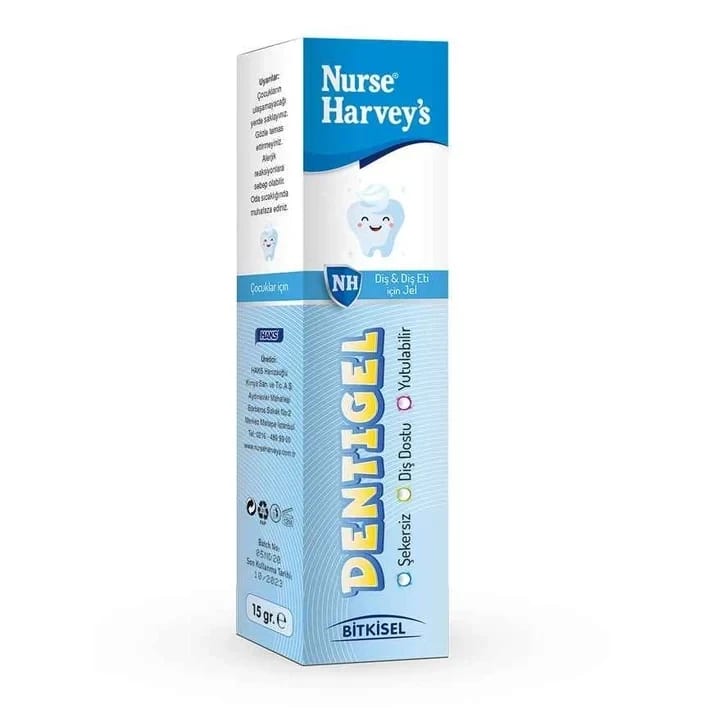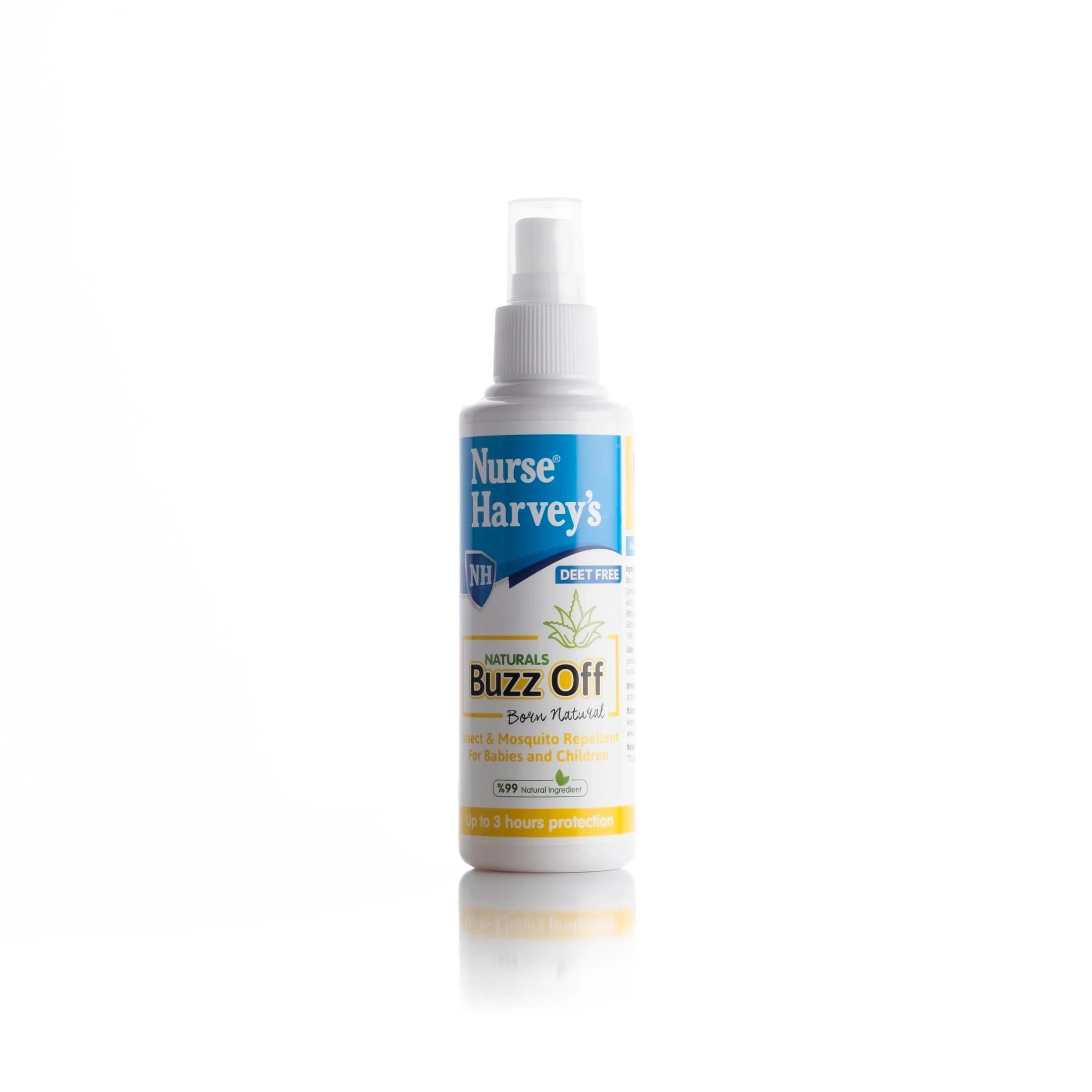
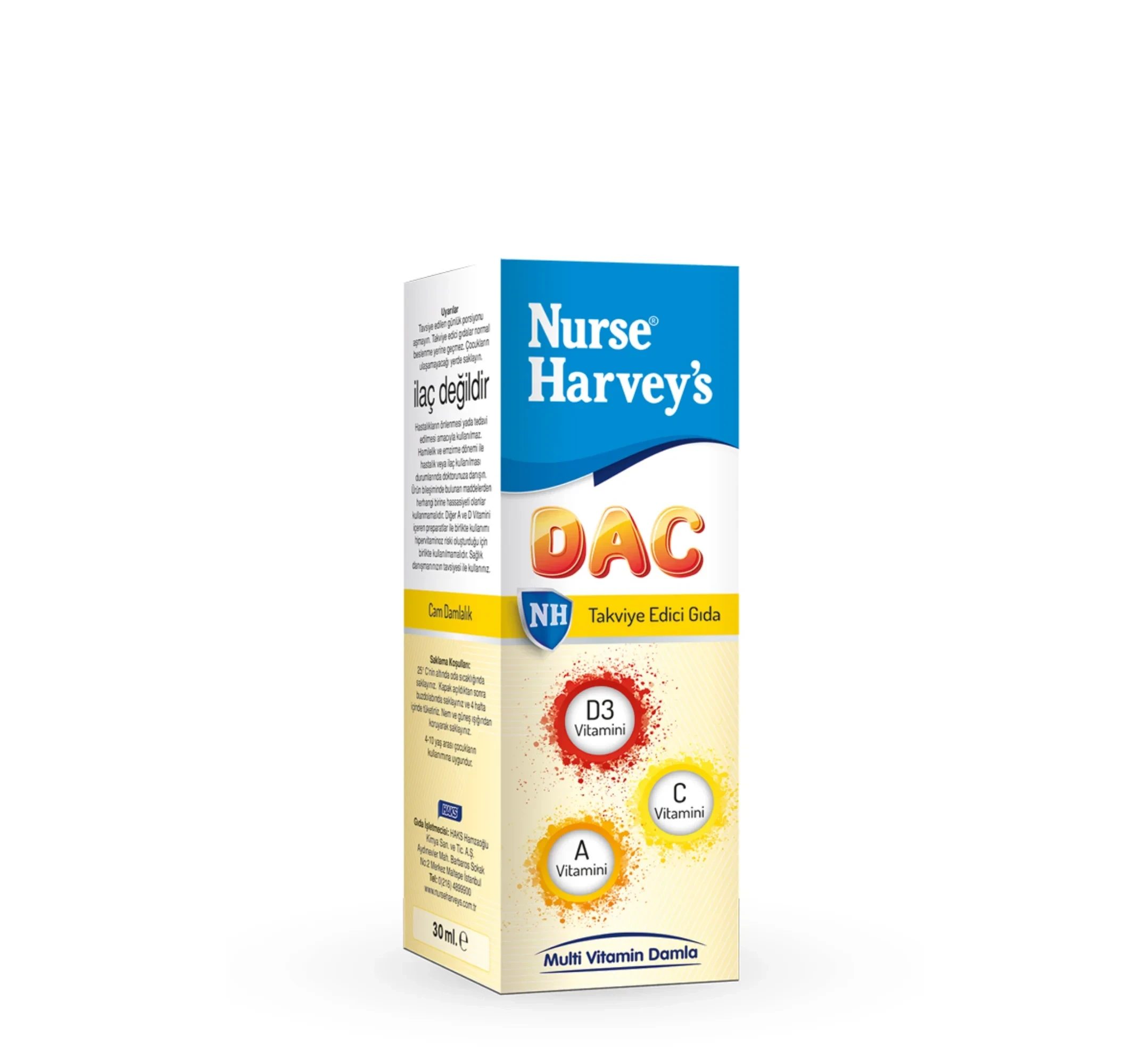
Nurse Harvey's

French dermocosmetics brand combining dermatological expertise with scientific innovation — part of our first edition.
Discover the brand →Products
Related searches
Related ingredients
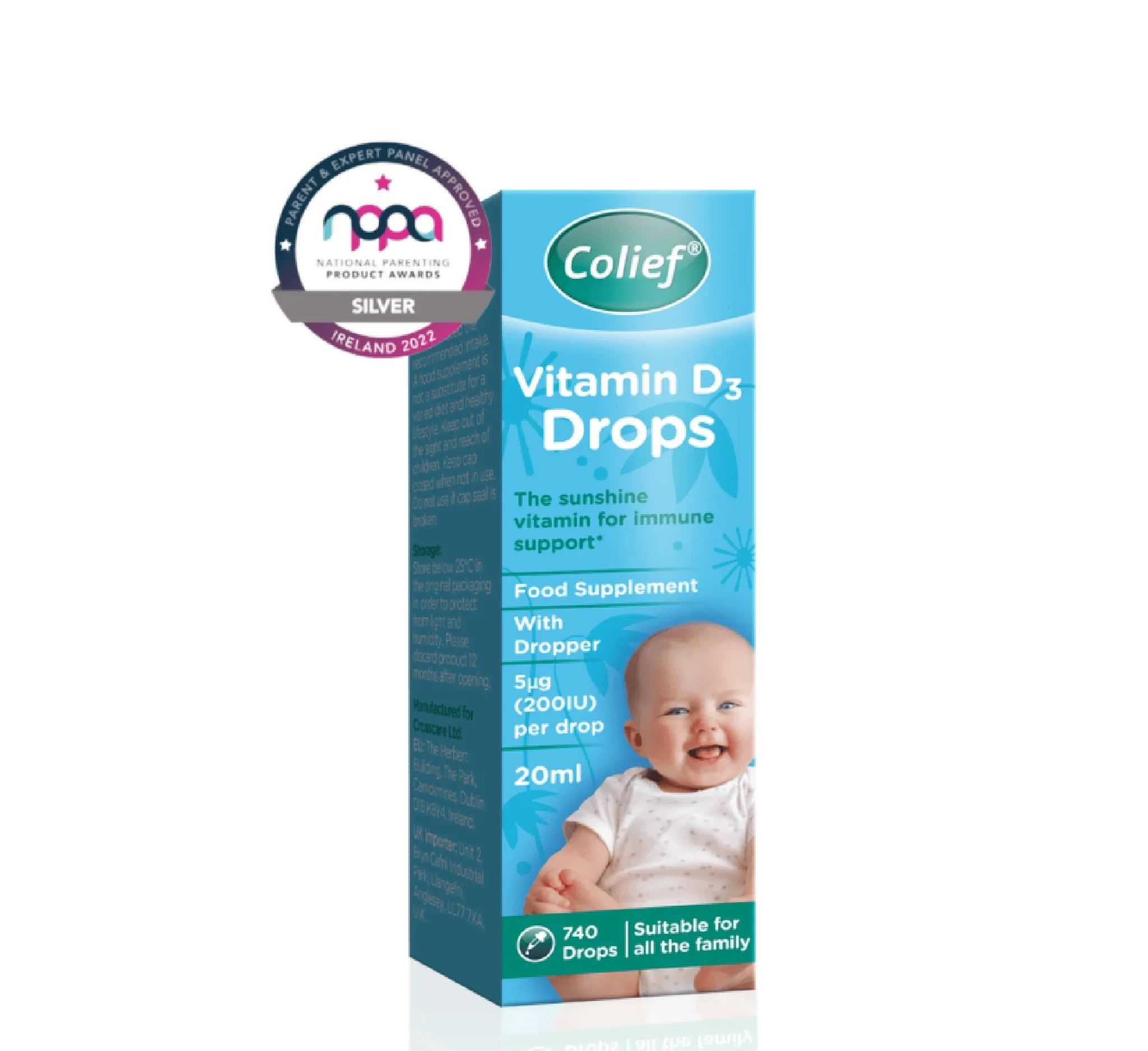
Vitamin D3 (cholecalciferol) is a fat-soluble vitamin naturally present in the body and in some animal-derived foods. In dietary supplements, it is commonly used as cholecalciferol, dissolved in oil and measured in micrograms (µg) or international units (IU), in soft capsules, drops, or tablets. The raw material can come from lanolin (sheep wool fat) or from vegan sources through fermentation and subsequent processing. In cosmetic formulations, it may appear as an ingredient in small amounts, usually listed on the label with the INCI name "Cholecalciferol." As a substance, it is a derivative of sterols with a lipophilic structure, often combined with oil carriers for stability and distribution. In products, the designation "D3" is used to distinguish it from vitamin D2 (ergocalciferol), which is another form of vitamin D.
Approved claims
Vitamin C
Approved claims
Choline is a water-soluble organic compound often grouped with the B-complex family, occurring naturally in foods such as eggs, meat, fish and legumes, and also present in the body as part of phospholipids. In supplements it is used as choline bitartrate, choline chloride, alpha-GPC (L-alpha-glycerylphosphorylcholine) or citicoline (CDP-choline), and also via lecithin as a source of phosphatidylcholine. On labels it may also appear as “total choline” calculated from these sources. In cosmetics, choline derivatives and phospholipids can be used in formulas as components of liposomal delivery systems or within conditioning blends, typically in leave-on or rinse-off products. Choline is commonly presented in capsules, tablets, powders or liquids, often combined with phospholipids or other lipid-matrix ingredients. Composition and concentration depend on the chemical form and on how the raw material is standardised.
Glucosamine is an amino sugar (aminomonosaccharide) that occurs naturally in the body as a building block within certain connective-tissue structures. In food supplements it is most commonly used as glucosamine sulfate or glucosamine hydrochloride, often stabilised as a salt with sodium chloride or potassium chloride, and presented as tablets, capsules, powders, or sachets. The raw material may be sourced from marine materials (e.g., crustacean shells) or produced via microbial fermentation, depending on the manufacturer and purity specifications. On labels it may also appear as “glucosamine sulfate sodium chloride” or “glucosamine sulfate potassium chloride”, which describe stabilised sulfate forms. In cosmetics, glucosamine-related derivatives may be used as functional ingredients in water-based formulas, while supplements typically focus on oral dose forms. Products frequently combine it with other ingredients from the same category, such as chondroitin, and declare the amount either as the salt form or as a glucosamine equivalent.
Astaxanthin is a xanthophyll carotenoid, a fat-soluble red‑orange pigment that occurs naturally in certain microalgae and then enters the marine food chain. In supplements it is most commonly used as natural astaxanthin sourced from the microalga Haematococcus pluvialis, typically supplied as an oleoresin extract rich in astaxanthin, where a portion is present as fatty‑acid esters. Because it is oil‑soluble, it is frequently formulated in softgels with carrier oils (such as olive or sunflower/safflower oil) or as a standardised powder for capsules and tablets. On labels it may appear as “astaxanthin (from Haematococcus pluvialis extract)” or as a standardised algae extract with a declared astaxanthin percentage. In cosmetics it can be found in lipophilic formulas such as serums or creams, often encapsulated or dissolved into the oil phase to improve stability. As a carotenoid pigment it is sensitive to light and oxidation, so formulations commonly include technological antioxidants for protection.
Chondroitin sulfate is a glycosaminoglycan, meaning a long polysaccharide built from repeating disaccharide units, naturally present in connective tissues and especially in cartilage. In food supplements it is most commonly listed as “chondroitin sulfate” or as a sodium salt, supplied as capsules, tablets, powders, or sachets. Traditional raw-material sources include bovine, porcine, avian, and cartilaginous fish cartilage, while some products use chondroitin sulfate made via microbial fermentation followed by sulfation. Composition and molecular weight can vary with the source and purification process, so labels often specify the form and origin. In cosmetics it may appear as a skin-conditioning/humectant ingredient in topical formulas, typically using water-soluble derivatives and low concentrations suited to leave-on or rinse-off products.
Approved claims
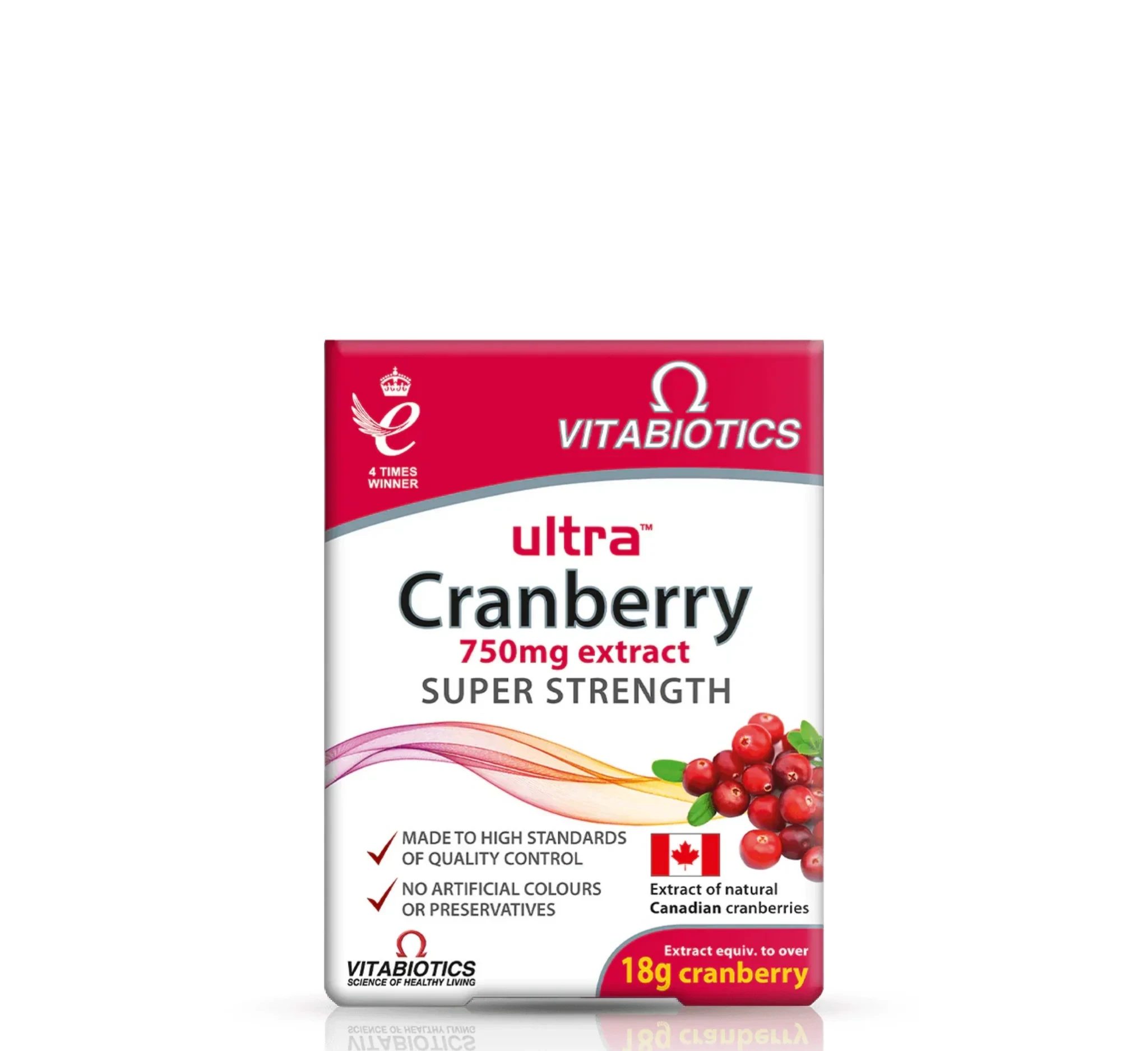
Cranberry is the fruit of Vaccinium macrocarpon (Ericaceae), a tart red berry used as a food and as a raw material for supplements. In products it appears as dried fruit powder, juice concentrate, or fruit extract, often standardised for polyphenols, especially proanthocyanidins (PACs), with A‑type PACs frequently highlighted. Its natural composition also includes anthocyanins, flavonols and organic acids, while the levels of these constituents vary with cultivar and processing. Cranberry is most commonly presented in capsules, tablets, drink powders and liquid formats; in cosmetics it may be used as a fruit extract or as a plant-derived aromatic component in formulations.
Vitamin K2 is the name for a group of vitamin K forms called menaquinones, sharing the same 2‑methyl‑1,4‑naphthoquinone core and differing by the length of their isoprenoid side chain. It occurs naturally in certain fermented foods and in animal-derived foods, and in the body some vitamin K can be converted into specific menaquinone forms. In supplements, vitamin K2 is most commonly provided as menaquinone‑7 (MK‑7) or menaquinone‑4 (MK‑4), typically dissolved in oil and filled into softgels, or deposited onto carriers such as microcrystalline cellulose for tablets and capsules. On labels it may appear as “menaquinone”, “MK‑7”, or “MK‑4”, with amounts usually declared in micrograms. In cosmetics, vitamin K and related derivatives may be used in low-percentage topical formulas, often in oil-soluble or encapsulated delivery systems. As a fat‑soluble vitamin, it is commonly formulated with lipid ingredients to support stability and dispersion within the product.
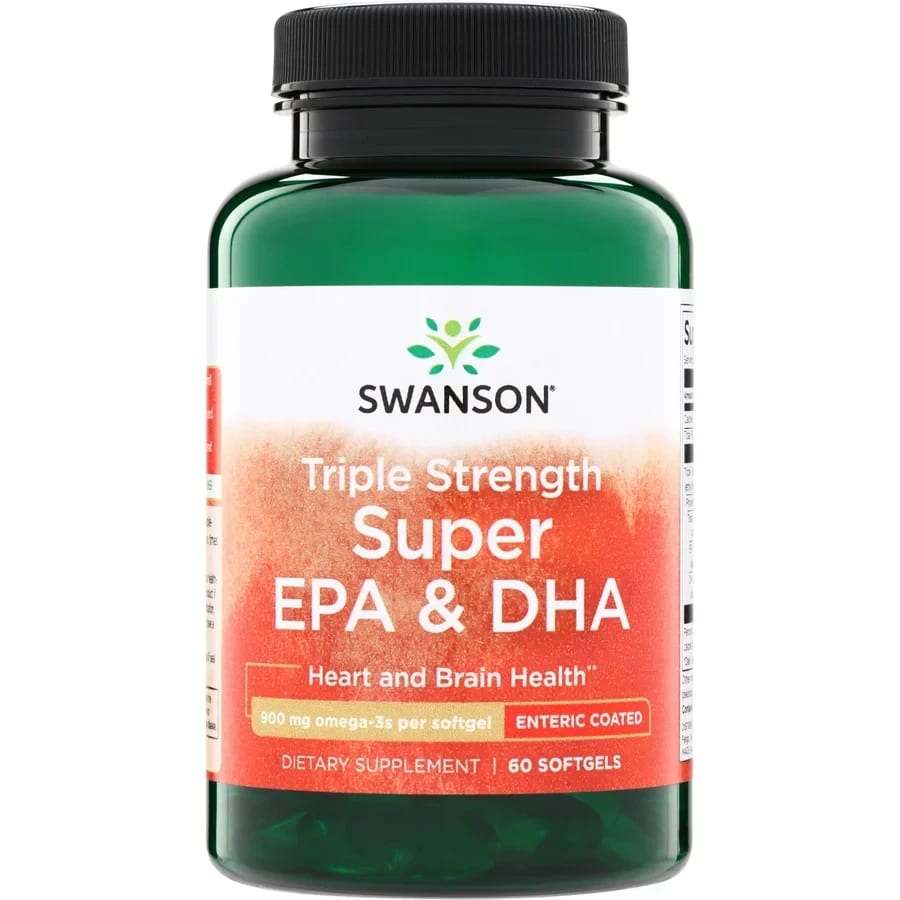
Krill oil is a marine oil obtained from Antarctic krill (Euphausia superba), a small planktonic crustacean. In food supplements it is used as a source of long-chain omega-3 fatty acids, mainly EPA and DHA, which in krill are often present in phospholipid-bound forms alongside a fraction of triglycerides. Commercial products are typically standardised for their EPA+DHA content and are most commonly presented as softgel capsules, more rarely as a liquid oil. As an animal-derived ingredient, its composition can vary with extraction and purification methods. In formulations, krill oil may be combined with added antioxidants to support oxidative stability and with other marine oils.