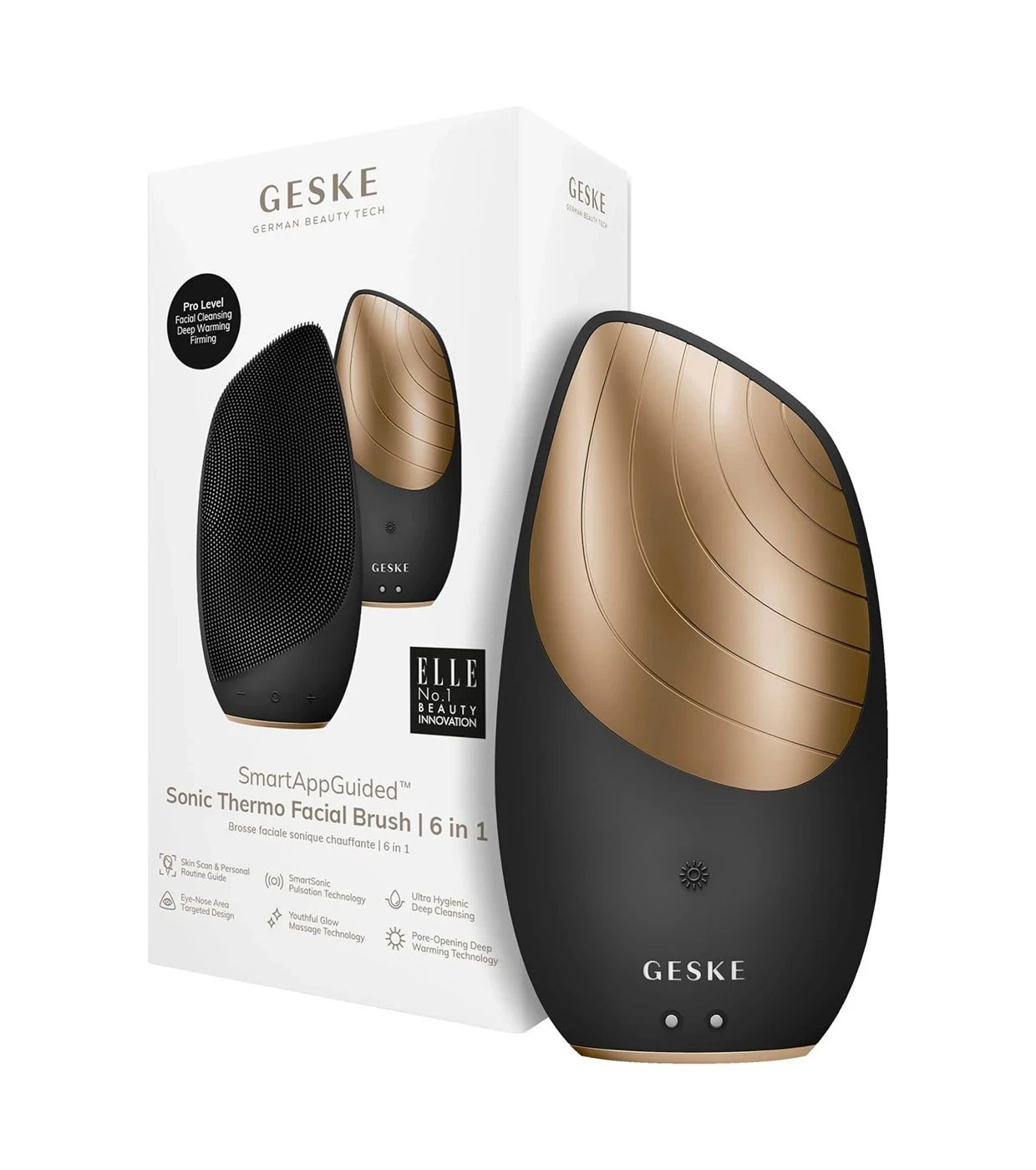
Geske
Choose options
French dermocosmetics brand combining dermatological expertise with scientific innovation — part of our first edition.
Discover the brand →Products
Related searches
Related ingredients
Mineral involved in over 300 enzymatic reactions; supports energy, muscles, and the nervous system.
Approved claims
Bifidobacterium refers to a genus of Gram‑positive, anaerobic bacteria that naturally occur in the human and mammalian gastrointestinal tract. In food supplements it is typically present as live cultures identified at species level and often at strain level, shown on labels with a Latin name plus a strain code or number. Because many bifidobacteria are sensitive to oxygen and moisture, common presentations are capsules or powders using protective technologies (e.g., protective matrices or microencapsulation) and the amount is usually expressed as CFU. In cosmetics, the genus name is most often encountered through fermentation-derived materials, such as Bifida Ferment Lysate or related ferment filtrates, which are not necessarily live microorganisms. These fermented materials are used in water-based formulas such as serums and creams as soluble biotech ingredients. In practice, “Bifidobacterium” on an ingredient list may indicate either an oral probiotic culture or a topical ferment derivative, so the exact meaning depends on the form stated on the label.
Essential mineral for thyroid hormone synthesis.
Approved claims
Antioxidant trace mineral; supports bones and connective tissue.
Approved claims
Approved claims
Lactobacillus is a genus of lactic acid bacteria (LAB) naturally present in fermented foods and in the human microbiota. In food supplements it is typically used as a probiotic culture identified precisely by genus, species and often a strain code, while the amount is commonly expressed as CFU (colony-forming units). In recent years, many species formerly labelled as “Lactobacillus” have been reclassified into new genera (e.g., Lactiplantibacillus, Lacticaseibacillus, Limosilactobacillus), so both legacy and updated names may appear on labels for the same organisms. In products, these cultures are supplied as freeze-dried powders in capsules, sachets or tablets, often combined with prebiotics or additional bacterial strains. In cosmetics, “Lactobacillus” may also appear as part of ferments or ferment filtrates (INCI), where the material is not necessarily a live culture. Because “Lactobacillus” is a broad genus-level term, the exact nature of the ingredient depends on the declared species and strain on the label.
D-mannose is a monosaccharide (a simple sugar) in the aldohexose family and a structural isomer of glucose, occurring naturally in some plants and also in the body as part of carbohydrate structures attached to proteins. In food supplements it is typically used as purified D-mannose supplied as a powder, capsules, or sachets, where it serves as a source of this specific sugar. Chemically it has the formula C6H12O6 and can exist in different ring forms in aqueous solution (e.g., mannopyranose). In cosmetics it may appear on the INCI list as MANNOSE and is used as a humectant, meaning a water-binding ingredient within the formula. You will see it in products such as creams, serums, or masks, usually at low percentages as part of a broader sugar-based moisturizing complex.
Approved claims
Antioxidant mineral; supports immunity and the health of hair and nails.
Approved claims
Electrolyte mineral essential for the nervous system, muscles, and blood pressure regulation.
Approved claims