Embryolisse

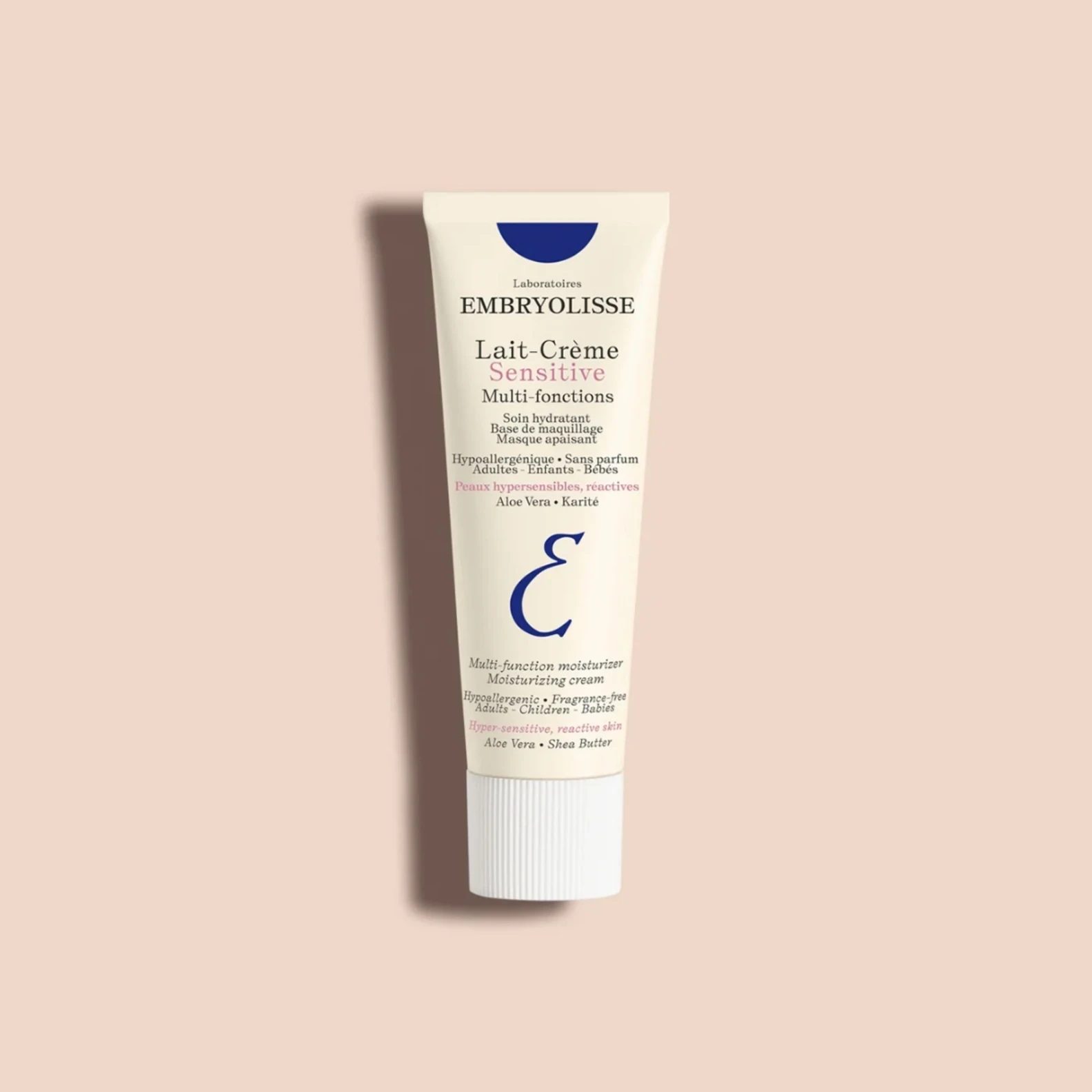
French dermocosmetics brand combining dermatological expertise with scientific innovation — part of our first edition.
Discover the brand →Products
Related searches
Related ingredients
Passionflower commonly refers to Passiflora incarnata L., a climbing plant in the Passifloraceae family; in supplements the aerial parts (herb) are most often used. On labels it may appear as dried cut-and-sifted herb, powdered herb, dry extract, or as a tincture/fluid extract, frequently prepared with water–ethanol mixtures and expressed with an extract ratio (e.g., DER) or as dried-herb equivalent. Extract composition varies with plant part and extraction method, so products may be standardized according to manufacturer specifications. In cosmetics it is used as a botanical extract under its INCI naming, typically supplied in aqueous or hydro-glycolic media for face, body, and hair formulas. It can also be encountered as fruit extract or flower extract depending on the intended profile and the declared INCI. In finished products it is commonly presented as capsules, tablets, tea blends, or dropper liquids for oral use, and as an ingredient in creams, serums, and shampoos.
Dandelion (Taraxacum officinale) is a perennial herbaceous plant from the Asteraceae family, widely found across Europe and beyond. In supplements it is typically used as a botanical extract from the root and/or leaves, presented as a powder, capsule, tablet, or liquid, with specifications that vary by plant part and extraction method. In cosmetics it appears under INCI naming, most commonly as “Taraxacum Officinale Extract”, as well as more specific variants that indicate the plant part (e.g., root or aerial parts). Extracts may be water-based, glycerin-based, or hydroalcoholic and are incorporated into formulas such as serums, creams, toners, and scalp-care products. The plant’s natural composition includes a complex mixture of botanical constituents such as polyphenols and sesquiterpene lactones, which can vary with origin and standardisation. On labels, the Latin botanical name is commonly used to ensure precise identification of the species.
Gymnema (Gymnema sylvestre) is a tropical climbing plant from the Apocynaceae family, used in supplements mainly as leaf powder or as a leaf extract. On labels, the raw material commonly appears as “Gymnema sylvestre leaf extract” or “Gymnema sylvestre extract”, with extracts often standardised by their gymnemic acids content. Extract composition varies with the extraction method and extract ratio, so different products can have different profiles of the plant’s naturally occurring constituents. In cosmetics, it is used as a botanical ingredient under the INCI name “Gymnema Sylvestre Leaf Extract”, typically supplied in water- or glycol-based solutions and incorporated into serums, creams, and skin-care formulas. In supplements, it is most often presented in capsules or tablets as a dry extract or powdered herb.
Red clover (Trifolium pratense L.) is a herbaceous plant from the legume family (Fabaceae), recognised by its pink flower heads. In supplements it is most often used as a botanical extract from the flowering tops or flowers, frequently standardised to its isoflavone content (e.g., biochanin A, formononetin, daidzein, genistein). Such extracts appear in capsules, tablets, powders or liquid drops, and may be listed on labels as “Trifolium pratense extract” or as flower/leaf-derived extracts. In cosmetics it is used as a flower or leaf extract declared under its INCI name, and may be supplied in aqueous, glycerinic or hydroalcoholic bases. In topical formulas it is found in serums, creams and scalp or skin products, often as part of multi-botanical blends. The exact composition depends on the plant part, extraction method and the degree of standardisation.
Horny goat weed refers to several species of the genus Epimedium (Berberidaceae) used as a botanical ingredient in food supplements and, less commonly, in cosmetics. In products it is typically present as powdered aerial parts or as a concentrated extract, often standardised to an icariin content (a marker flavonoid), for example 10% or 20%. Because composition varies by species and extraction method, labels may state “Epimedium spp.” or name a specific species such as Epimedium brevicornum, E. sagittatum, or E. grandiflorum. In supplements it is most often supplied in capsules or tablets as a dry extract, sometimes blended with other botanicals. In cosmetics it may appear as a leaf/stem extract under an INCI name, used in water- or hydroglycol-based formulations.
Fennel seed refers to the dried fruits (often called “seeds”) of the aromatic plant Foeniculum vulgare, naturally rich in essential oil and characteristic aroma compounds typical of the Apiaceae family. In supplements it is used as ground seed, powder, standardised extract, or tincture, with profiles that vary by variety and extraction method. In cosmetics it most commonly appears as a seed extract under the INCI name Foeniculum Vulgare Seed Extract, typically a solvent extract (e.g., glycerin/water) incorporated into fluid formulations. Its aromatic composition may include naturally occurring constituents such as estragole, so different preparations can differ noticeably in organoleptic character. In practice it is found in capsules, herbal infusions, drops, and in skincare products where the extract is used at low concentrations. As a botanical ingredient, quality is closely linked to origin, the plant part used, and control of naturally occurring essential-oil constituents.
Milk thistle is the plant Silybum marianum (L.) Gaertn., best known for its fruits/seeds, which are used to obtain botanical extracts containing a characteristic group of constituents referred to as silymarin (a complex of flavonolignans). In food supplements it is typically used as a seed/fruit extract, often standardised to a declared percentage of silymarin, and presented as capsules, tablets, powders or liquid drops. In cosmetics it may appear as a Silybum marianum extract in aqueous or glycerinic media, or as a lipid-linked derivative/ester designed for oil-based systems. On cosmetic ingredient lists it is usually named using INCI, such as Silybum Marianum Extract or Silybum Marianum Fruit Extract. Extract composition can vary with plant part, extraction method and degree of standardisation, so products carrying the same botanical name are not necessarily comparable. In finished products, milk thistle may be used alone or alongside other botanical extracts and common formulation antioxidants.
Fenugreek refers to the seeds of Trigonella foenum-graecum L., an aromatic legume widely used as a culinary spice and as a botanical raw material in wellness products. In supplements it is most often found as seed powder, seed extract, or a standardised extract, presented in capsules, tablets, or drink-mix powders. The seed naturally contains fibre and mucilaginous polysaccharides, alongside saponins and other characteristic plant constituents of this species. In cosmetics it is mainly used as a seed extract under the INCI name Trigonella Foenum-Graecum Seed Extract, incorporated into water- or glycerin-based systems for skin and hair products. It may also appear as an aromatic derivative (e.g., an absolute) in fragranced formulas. On labels it can be listed as “seed”, “seed powder”, or “seed extract”, depending on the chosen form.
Tribulus terrestris is a herbaceous plant from the Zygophyllaceae family, widely known in botanical literature as “puncture vine”, with product uses typically involving the fruit, aerial parts, and root. In food supplements it is most often found as a plant powder or as a dry extract, frequently standardised for steroidal saponins (e.g., furostanol glycosides) and sometimes declared with a percentage of protodioscin, depending on plant part and origin. The chemical profile of extracts can vary markedly with chemotype, extraction method, and standardisation approach, so labels may also specify an extract ratio (e.g., DER) or percentages of defined fractions. In cosmetics it may appear as a botanical extract for topical use, listed under an INCI name that specifies the plant part (for example, a root extract or a fruit/stem extract). In formulations it is commonly combined with other botanicals and carriers such as maltodextrin, while in topical products it may be included in serums, creams, or toners featuring plant extracts.
Valerian (Valeriana officinalis L.) is a perennial herb; in products the dried root and rhizome are most commonly used and may appear on labels as “valerian root” or Valerianae radix. The plant material is typically processed as root powder, a dry extract, or a hydroalcoholic extract, and it may be standardised to characteristic constituents such as valerenic acids. In food supplements it is commonly presented in capsules, tablets, or liquid drops, either alone or blended with other botanical extracts. In cosmetics it can appear as a botanical ingredient or fragrance-related component, with INCI names such as Valeriana Officinalis Rhizome/Root Extract. The botanical species and plant part matter, because the name “valerian” is sometimes used more loosely for other Valeriana species.