
MASSIGEN

French dermocosmetics brand combining dermatological expertise with scientific innovation — part of our first edition.
Discover the brand →Goals
Products
Related searches
Related ingredients
Mineral involved in over 300 enzymatic reactions; supports energy, muscles, and the nervous system.
Approved claims
D-mannose is a monosaccharide (a simple sugar) in the aldohexose family and a structural isomer of glucose, occurring naturally in some plants and also in the body as part of carbohydrate structures attached to proteins. In food supplements it is typically used as purified D-mannose supplied as a powder, capsules, or sachets, where it serves as a source of this specific sugar. Chemically it has the formula C6H12O6 and can exist in different ring forms in aqueous solution (e.g., mannopyranose). In cosmetics it may appear on the INCI list as MANNOSE and is used as a humectant, meaning a water-binding ingredient within the formula. You will see it in products such as creams, serums, or masks, usually at low percentages as part of a broader sugar-based moisturizing complex.
Antioxidant trace mineral; supports bones and connective tissue.
Approved claims
Macronutrient essential for building and maintaining muscle and bone mass.
Approved claims
Approved claims
Vitamin C
Approved claims
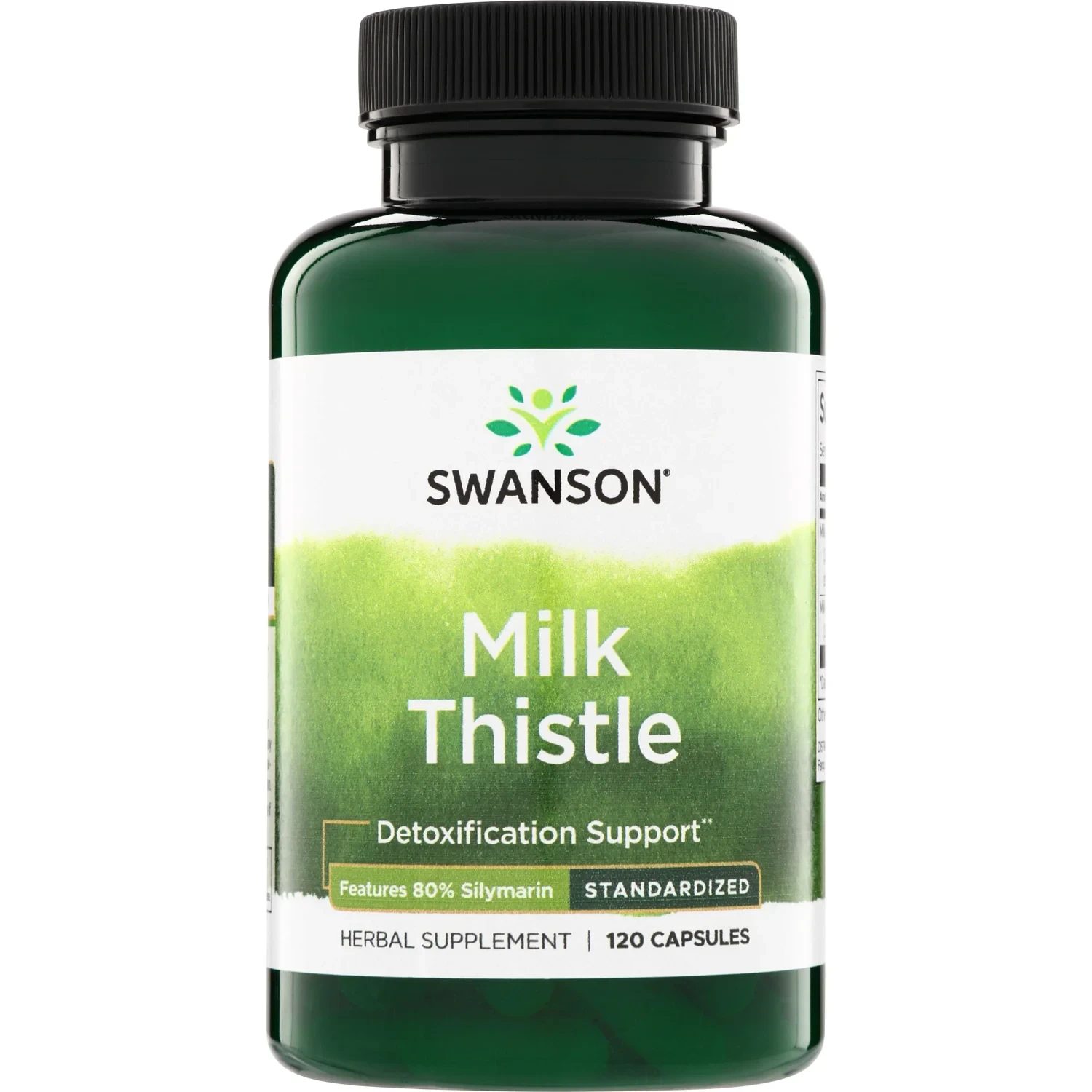
Milk thistle is the plant Silybum marianum (L.) Gaertn., best known for its fruits/seeds, which are used to obtain botanical extracts containing a characteristic group of constituents referred to as silymarin (a complex of flavonolignans). In food supplements it is typically used as a seed/fruit extract, often standardised to a declared percentage of silymarin, and presented as capsules, tablets, powders or liquid drops. In cosmetics it may appear as a Silybum marianum extract in aqueous or glycerinic media, or as a lipid-linked derivative/ester designed for oil-based systems. On cosmetic ingredient lists it is usually named using INCI, such as Silybum Marianum Extract or Silybum Marianum Fruit Extract. Extract composition can vary with plant part, extraction method and degree of standardisation, so products carrying the same botanical name are not necessarily comparable. In finished products, milk thistle may be used alone or alongside other botanical extracts and common formulation antioxidants.
Maca is the dried hypocotyl-root of the Andean plant Lepidium meyenii (Brassicaceae), known as a traditional food crop from high-altitude regions of Peru. In supplements it most commonly appears as whole-root powder, “gelatinised” powder (processed with heat and pressure to modify the starch fraction), or as a more concentrated extract, sometimes standardised to groups of naturally occurring constituents. Raw material may come from different colour types (e.g., yellow, red, black), which are often stated on labels as part of product identity. Its composition includes carbohydrates and fibre alongside plant-specific compounds such as glucosinolates and macamides, which can vary with origin and processing. It is used in capsules, tablets, drink-mix powders, and blended botanical formulas. In the EU, Lepidium meyenii is listed in the Novel Food Status Catalogue as having been used as food to a significant degree before 15 May 1997, so it is generally not classified as a novel food.
Gymnema (Gymnema sylvestre) is a tropical climbing plant from the Apocynaceae family, used in supplements mainly as leaf powder or as a leaf extract. On labels, the raw material commonly appears as “Gymnema sylvestre leaf extract” or “Gymnema sylvestre extract”, with extracts often standardised by their gymnemic acids content. Extract composition varies with the extraction method and extract ratio, so different products can have different profiles of the plant’s naturally occurring constituents. In cosmetics, it is used as a botanical ingredient under the INCI name “Gymnema Sylvestre Leaf Extract”, typically supplied in water- or glycol-based solutions and incorporated into serums, creams, and skin-care formulas. In supplements, it is most often presented in capsules or tablets as a dry extract or powdered herb.
Tribulus terrestris is a herbaceous plant from the Zygophyllaceae family, widely known in botanical literature as “puncture vine”, with product uses typically involving the fruit, aerial parts, and root. In food supplements it is most often found as a plant powder or as a dry extract, frequently standardised for steroidal saponins (e.g., furostanol glycosides) and sometimes declared with a percentage of protodioscin, depending on plant part and origin. The chemical profile of extracts can vary markedly with chemotype, extraction method, and standardisation approach, so labels may also specify an extract ratio (e.g., DER) or percentages of defined fractions. In cosmetics it may appear as a botanical extract for topical use, listed under an INCI name that specifies the plant part (for example, a root extract or a fruit/stem extract). In formulations it is commonly combined with other botanicals and carriers such as maltodextrin, while in topical products it may be included in serums, creams, or toners featuring plant extracts.