
Moonkie

French dermocosmetics brand combining dermatological expertise with scientific innovation — part of our first edition.
Discover the brand →Products
Related searches
Related ingredients
Naturally produced pineal hormone; regulates the sleep–wake cycle.
Approved claims
Antioxidant trace mineral; supports bones and connective tissue.
Approved claims
Maca is the dried hypocotyl-root of the Andean plant Lepidium meyenii (Brassicaceae), known as a traditional food crop from high-altitude regions of Peru. In supplements it most commonly appears as whole-root powder, “gelatinised” powder (processed with heat and pressure to modify the starch fraction), or as a more concentrated extract, sometimes standardised to groups of naturally occurring constituents. Raw material may come from different colour types (e.g., yellow, red, black), which are often stated on labels as part of product identity. Its composition includes carbohydrates and fibre alongside plant-specific compounds such as glucosinolates and macamides, which can vary with origin and processing. It is used in capsules, tablets, drink-mix powders, and blended botanical formulas. In the EU, Lepidium meyenii is listed in the Novel Food Status Catalogue as having been used as food to a significant degree before 15 May 1997, so it is generally not classified as a novel food.
Natural stimulant of the central nervous system.
Trace mineral that helps macronutrient metabolism and blood glucose levels.
Approved claims
Passionflower commonly refers to Passiflora incarnata L., a climbing plant in the Passifloraceae family; in supplements the aerial parts (herb) are most often used. On labels it may appear as dried cut-and-sifted herb, powdered herb, dry extract, or as a tincture/fluid extract, frequently prepared with water–ethanol mixtures and expressed with an extract ratio (e.g., DER) or as dried-herb equivalent. Extract composition varies with plant part and extraction method, so products may be standardized according to manufacturer specifications. In cosmetics it is used as a botanical extract under its INCI naming, typically supplied in aqueous or hydro-glycolic media for face, body, and hair formulas. It can also be encountered as fruit extract or flower extract depending on the intended profile and the declared INCI. In finished products it is commonly presented as capsules, tablets, tea blends, or dropper liquids for oral use, and as an ingredient in creams, serums, and shampoos.
Antioxidant mineral; supports immunity and the health of hair and nails.
Approved claims
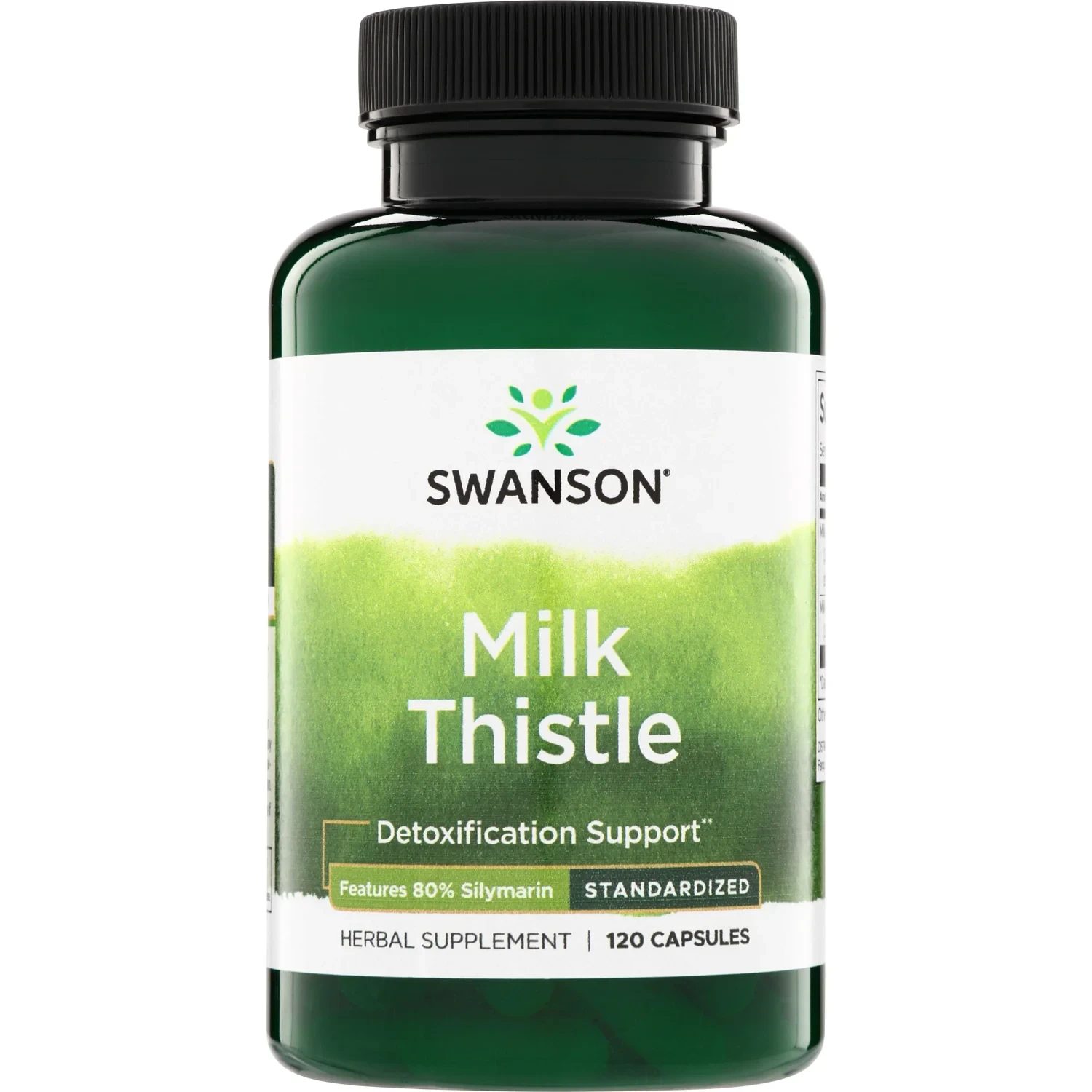
Milk thistle is the plant Silybum marianum (L.) Gaertn., best known for its fruits/seeds, which are used to obtain botanical extracts containing a characteristic group of constituents referred to as silymarin (a complex of flavonolignans). In food supplements it is typically used as a seed/fruit extract, often standardised to a declared percentage of silymarin, and presented as capsules, tablets, powders or liquid drops. In cosmetics it may appear as a Silybum marianum extract in aqueous or glycerinic media, or as a lipid-linked derivative/ester designed for oil-based systems. On cosmetic ingredient lists it is usually named using INCI, such as Silybum Marianum Extract or Silybum Marianum Fruit Extract. Extract composition can vary with plant part, extraction method and degree of standardisation, so products carrying the same botanical name are not necessarily comparable. In finished products, milk thistle may be used alone or alongside other botanical extracts and common formulation antioxidants.
Inositol is a six‑carbon polyol (sugar alcohol), chemically a cyclohexanehexol, occurring naturally in the human body and widely in plant foods. It exists as several stereoisomers, with myo‑inositol being the most prevalent form, while D‑chiro‑inositol is less abundant and is used either alone or in defined combinations in supplements. In foods and food supplements, inositol is typically supplied as a soluble powder or as capsules/tablets, most often as myo‑inositol, D‑chiro‑inositol, or as phosphorylated derivatives such as inositol hexaphosphate (IP6/phytate). In cosmetics it appears under the INCI name “INOSITOL” and is used in face, body, and hair formulas, usually at low levels within the water phase. Owing to its strongly hydrophilic character, it is easy to incorporate into serums, creams, toners, and leave‑in hair products. In formulations it may also be present as part of complexes alongside other humectant or conditioning ingredients.
Vitamin K2 is the name for a group of vitamin K forms called menaquinones, sharing the same 2‑methyl‑1,4‑naphthoquinone core and differing by the length of their isoprenoid side chain. It occurs naturally in certain fermented foods and in animal-derived foods, and in the body some vitamin K can be converted into specific menaquinone forms. In supplements, vitamin K2 is most commonly provided as menaquinone‑7 (MK‑7) or menaquinone‑4 (MK‑4), typically dissolved in oil and filled into softgels, or deposited onto carriers such as microcrystalline cellulose for tablets and capsules. On labels it may appear as “menaquinone”, “MK‑7”, or “MK‑4”, with amounts usually declared in micrograms. In cosmetics, vitamin K and related derivatives may be used in low-percentage topical formulas, often in oil-soluble or encapsulated delivery systems. As a fat‑soluble vitamin, it is commonly formulated with lipid ingredients to support stability and dispersion within the product.