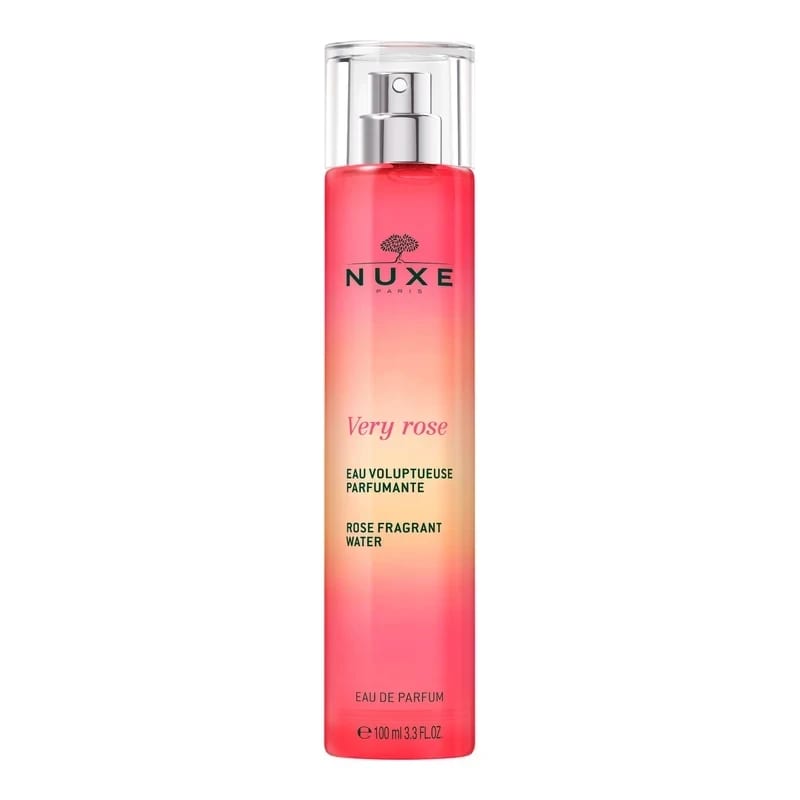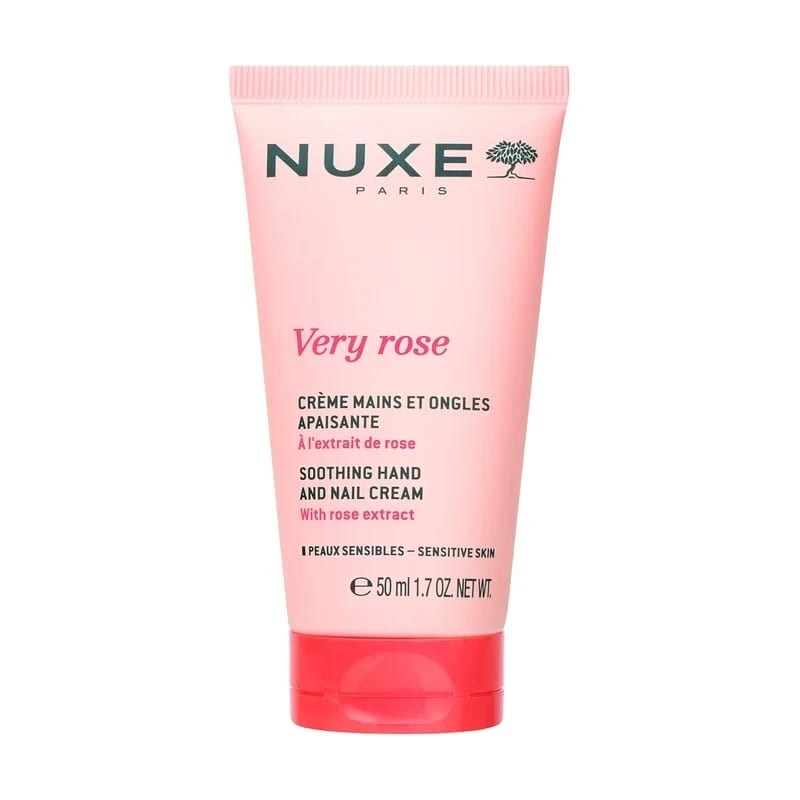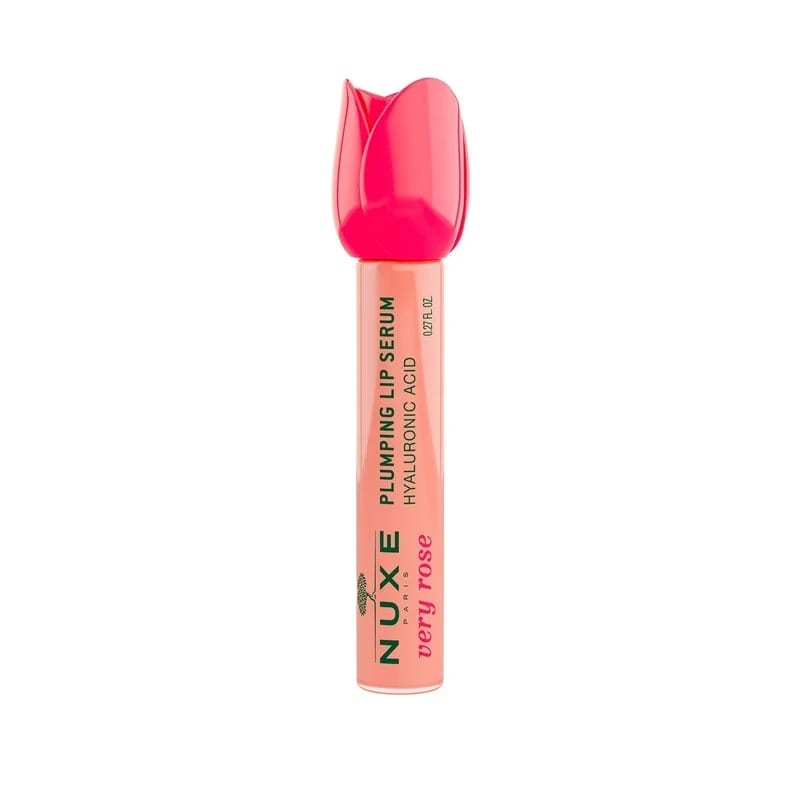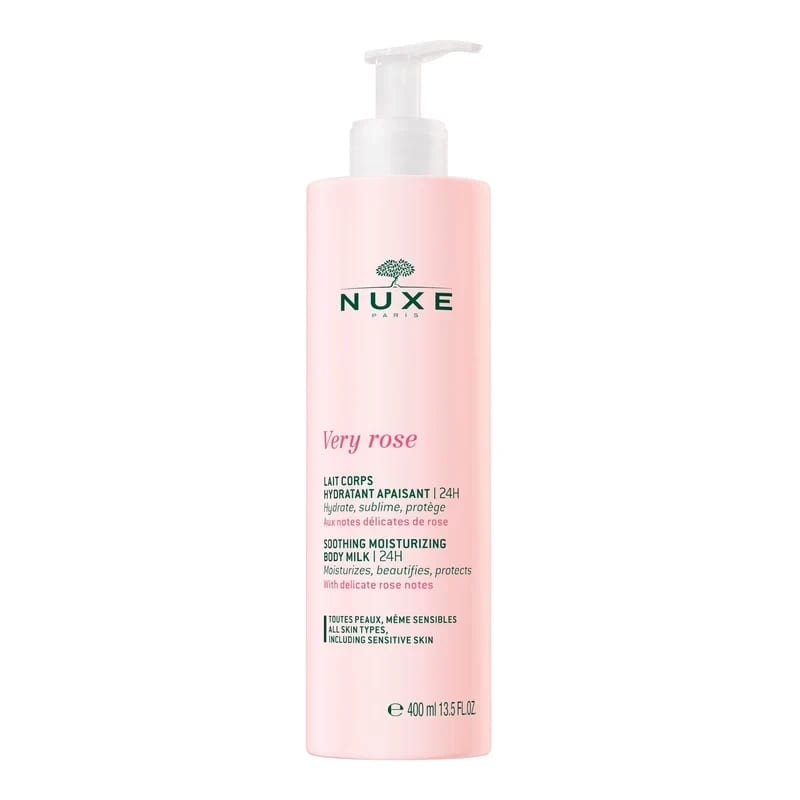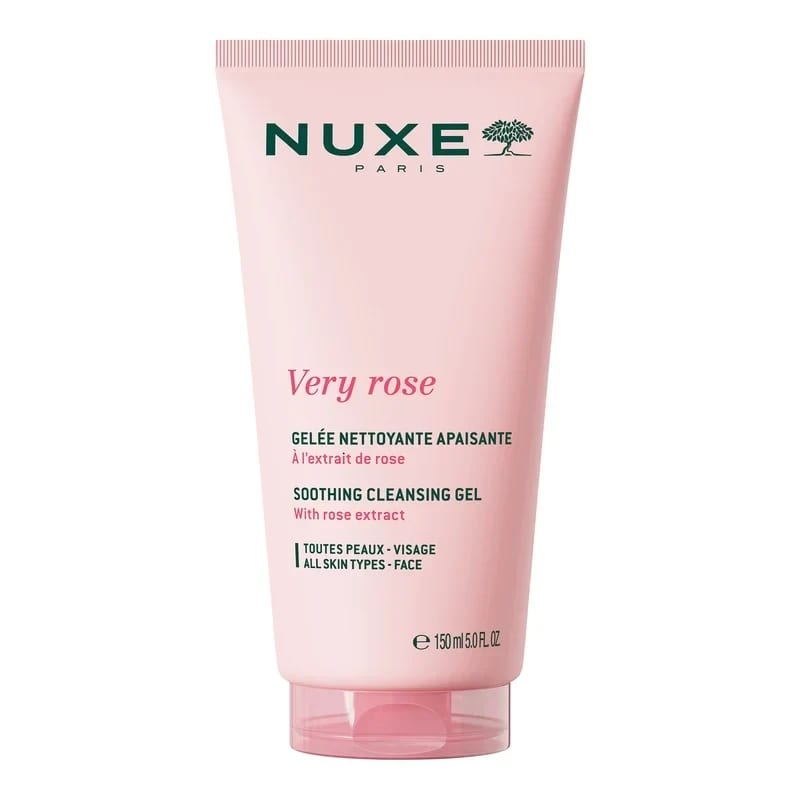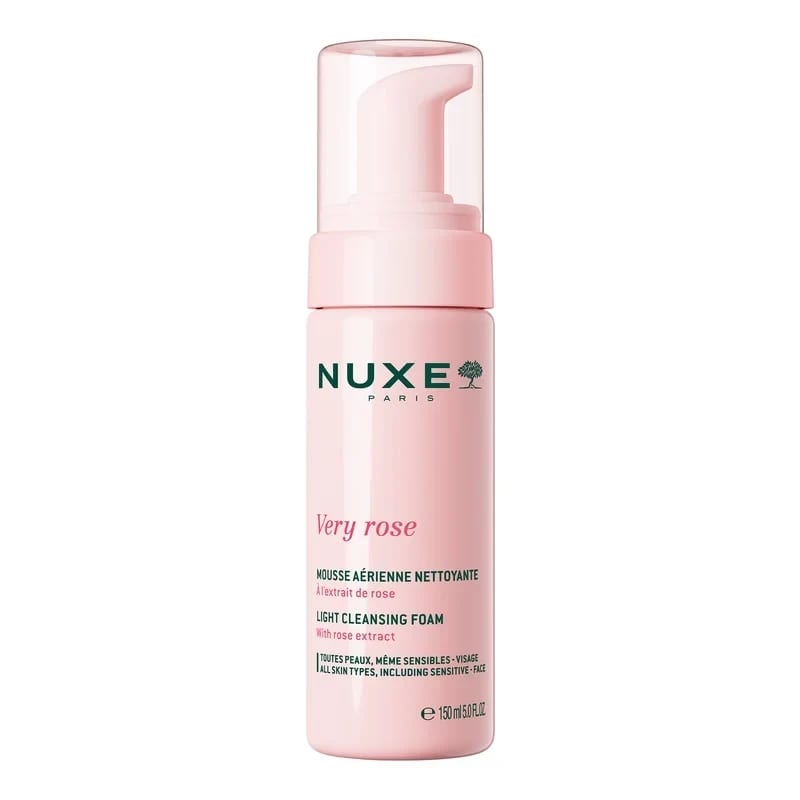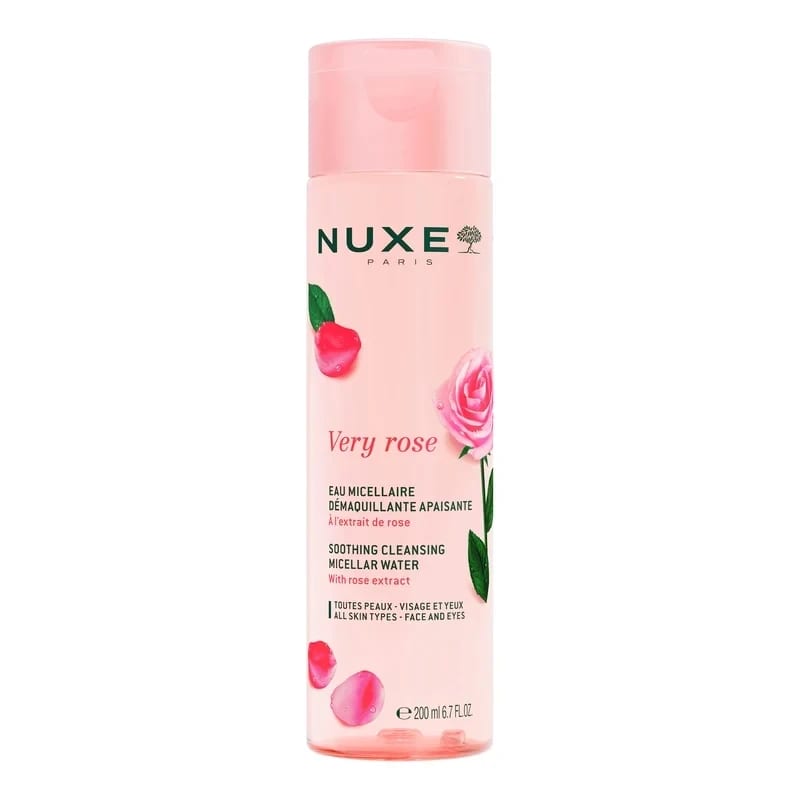
Nuxe

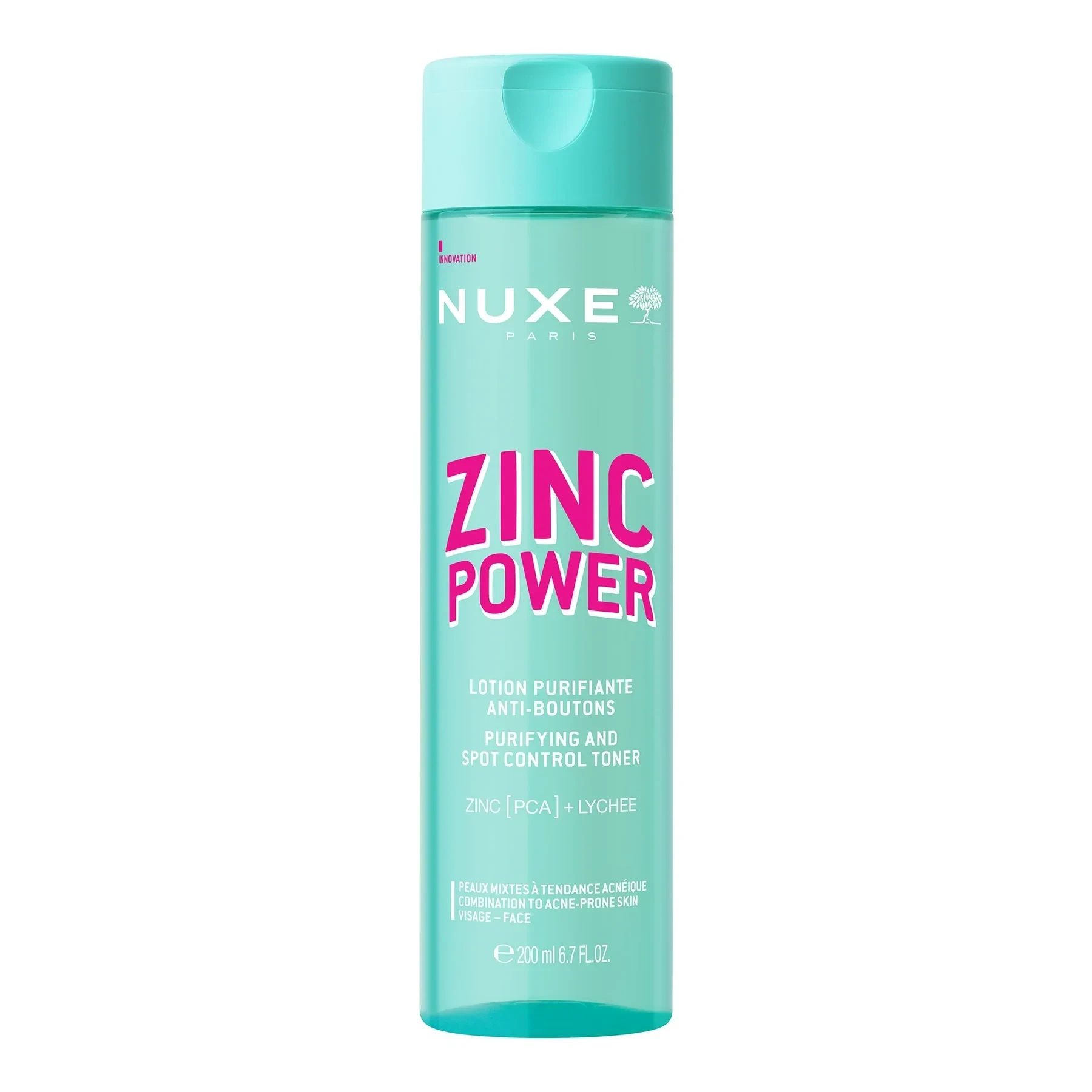
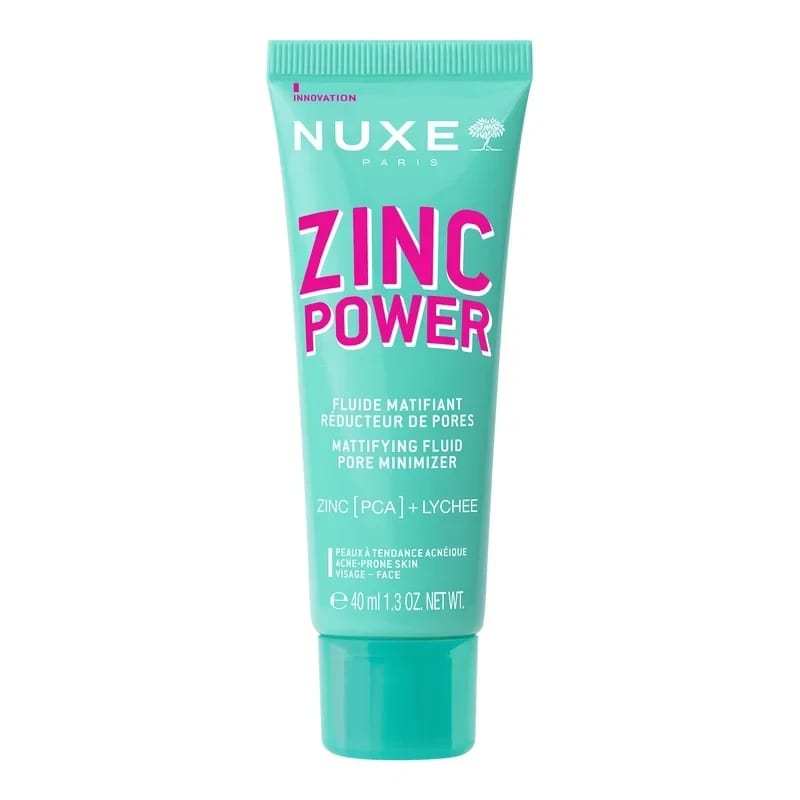
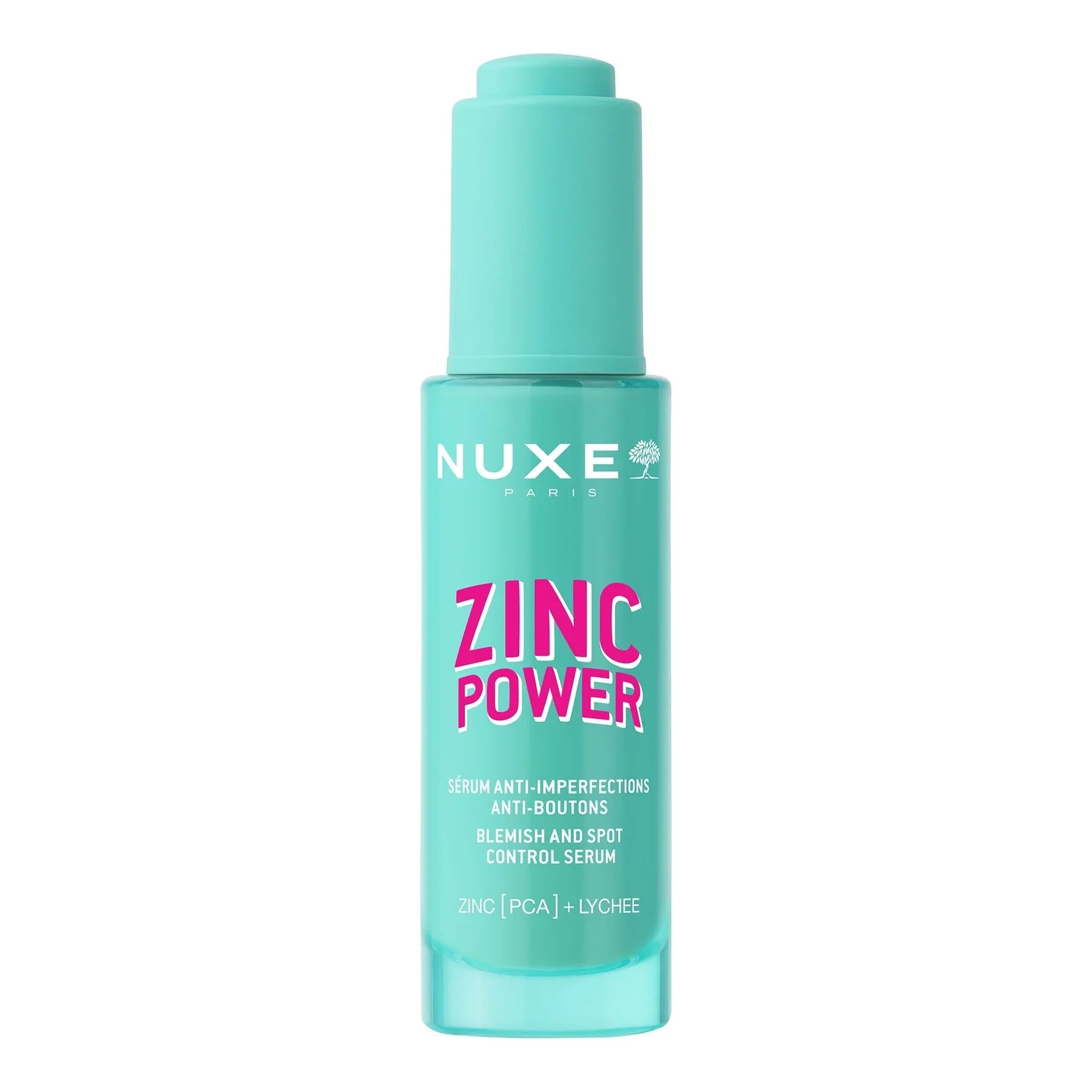
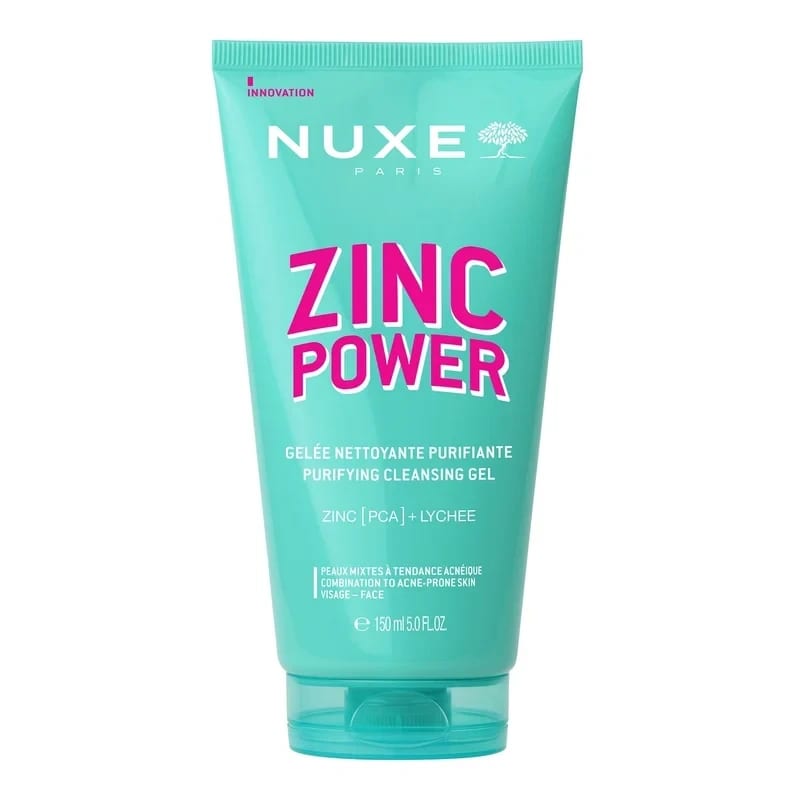
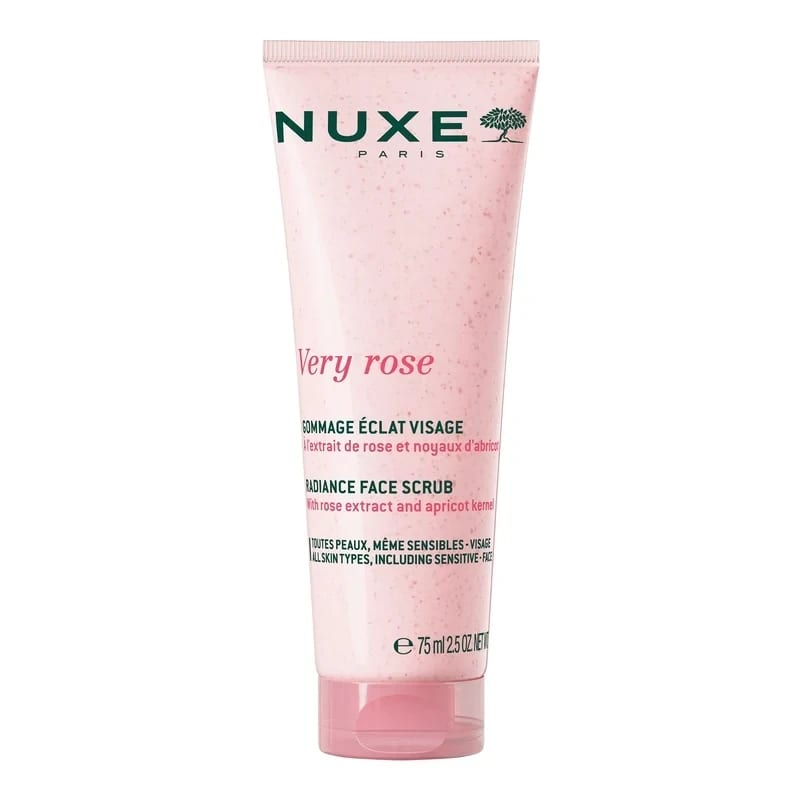
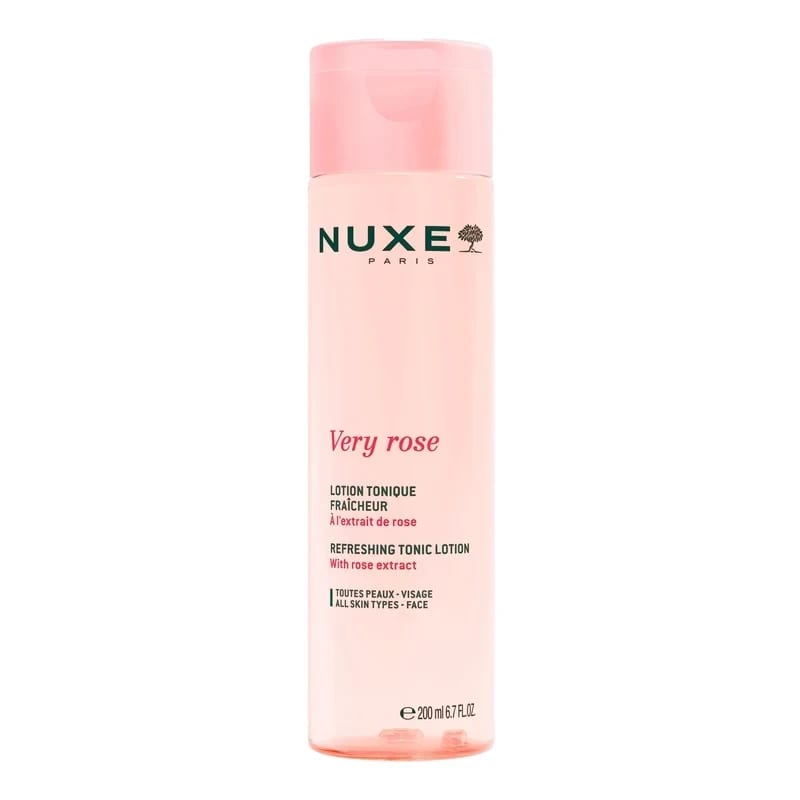
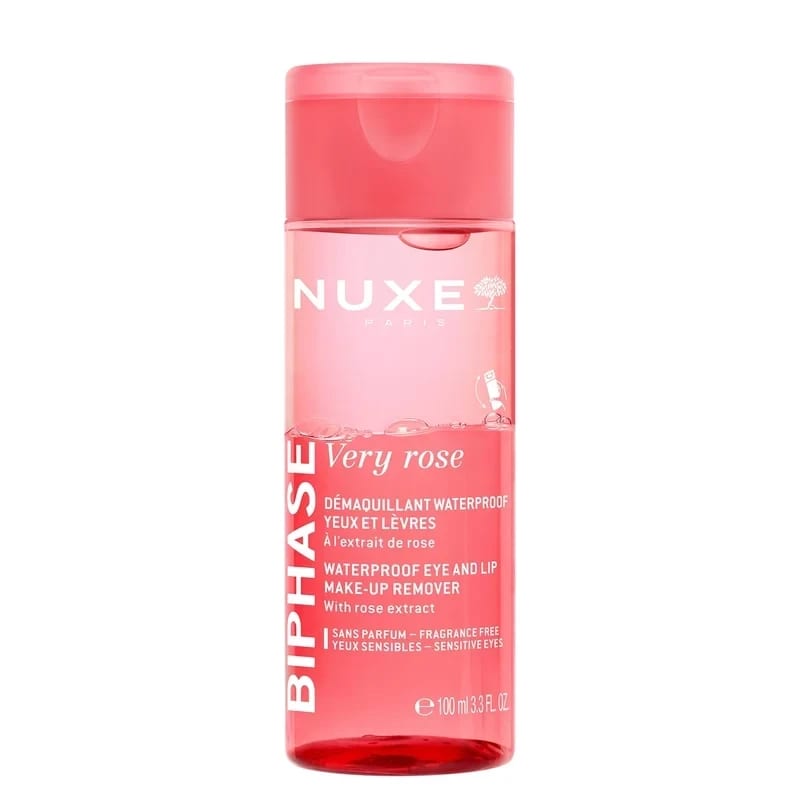
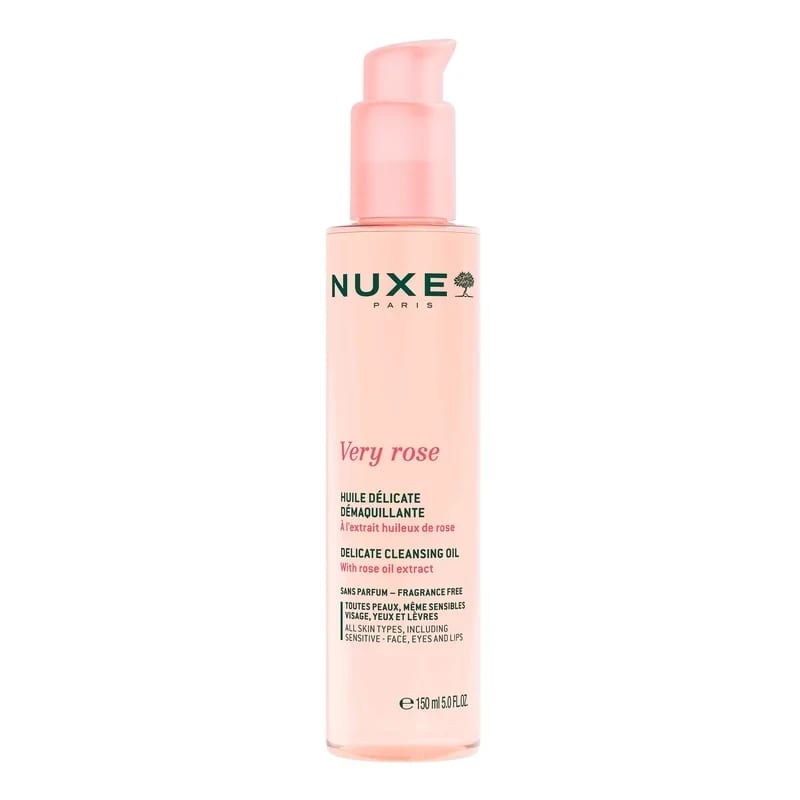
French dermocosmetics brand combining dermatological expertise with scientific innovation — part of our first edition.
Discover the brand →Products
Related searches
Related ingredients
N-acetylcysteine (NAC) is a derivative of the amino acid L-cysteine in which the amino group is acetylated; on labels it may also appear as N-acetyl-L-cysteine or acetylcysteine. It is a small, water-soluble organosulfur compound that is chemically related to cysteine found naturally in proteins and in human metabolism. In food supplements it is typically supplied as a powder or in capsules/tablets containing NAC as the primary ingredient, sometimes in blends with other amino acids. In cosmetics it may be present under the INCI name “Acetyl Cysteine”, used in water-based formulas such as serums or skin-care products. As a raw material, NAC is commonly identified by its chemical name “acetylcysteine” and standard identifiers such as a CAS number, while specifications can differ by purity grade and supplied form.
Pumpkin seed oil is a plant oil obtained from the seeds of Cucurbita pepo, typically by cold pressing or by pressing after seed roasting, depending on the production tradition. It is a natural mixture of triglycerides rich in unsaturated fatty acids, commonly dominated by linoleic and oleic acids, alongside smaller unsaponifiable fractions. In food supplements it is found as a neat oil in softgel capsules, or as part of blends with other vegetable oils. In cosmetics it is used as an emollient oil in serums, creams and body products, often refined for stability and a more neutral odour. On cosmetic ingredient lists it most commonly appears under the INCI name “Cucurbita Pepo Seed Oil”. Its colour can range from golden yellow to deep green, depending on the raw material and processing method.
Coenzyme Q10 is a lipophilic benzoquinone (ubiquinone-10) that occurs naturally in human cells and in many foods in small amounts. In food supplements it is typically provided as ubiquinone (the oxidised form) or ubiquinol (the reduced form), commonly dispersed in oils or microencapsulated for softgels, capsules or powders. In cosmetics it is most often declared under the INCI name “Ubiquinone” and is used in emulsions such as face creams, eye-area products, serums and body lotions. As a fat-soluble molecule, it is usually formulated into the oil phase and paired with other formula antioxidants to support stability. On labels it may also appear as “ubidecarenone”, a naming variant used in some markets for the same substance. Cosmetic- and supplement-grade material may be produced by fermentation or synthesis and then standardised for purity.
Passionflower commonly refers to Passiflora incarnata L., a climbing plant in the Passifloraceae family; in supplements the aerial parts (herb) are most often used. On labels it may appear as dried cut-and-sifted herb, powdered herb, dry extract, or as a tincture/fluid extract, frequently prepared with water–ethanol mixtures and expressed with an extract ratio (e.g., DER) or as dried-herb equivalent. Extract composition varies with plant part and extraction method, so products may be standardized according to manufacturer specifications. In cosmetics it is used as a botanical extract under its INCI naming, typically supplied in aqueous or hydro-glycolic media for face, body, and hair formulas. It can also be encountered as fruit extract or flower extract depending on the intended profile and the declared INCI. In finished products it is commonly presented as capsules, tablets, tea blends, or dropper liquids for oral use, and as an ingredient in creams, serums, and shampoos.
B vitamin needed for energy metabolism and skin health.
Approved claims
Red clover (Trifolium pratense L.) is a herbaceous plant from the legume family (Fabaceae), recognised by its pink flower heads. In supplements it is most often used as a botanical extract from the flowering tops or flowers, frequently standardised to its isoflavone content (e.g., biochanin A, formononetin, daidzein, genistein). Such extracts appear in capsules, tablets, powders or liquid drops, and may be listed on labels as “Trifolium pratense extract” or as flower/leaf-derived extracts. In cosmetics it is used as a flower or leaf extract declared under its INCI name, and may be supplied in aqueous, glycerinic or hydroalcoholic bases. In topical formulas it is found in serums, creams and scalp or skin products, often as part of multi-botanical blends. The exact composition depends on the plant part, extraction method and the degree of standardisation.
Cranberry is the fruit of Vaccinium macrocarpon (Ericaceae), a tart red berry used as a food and as a raw material for supplements. In products it appears as dried fruit powder, juice concentrate, or fruit extract, often standardised for polyphenols, especially proanthocyanidins (PACs), with A‑type PACs frequently highlighted. Its natural composition also includes anthocyanins, flavonols and organic acids, while the levels of these constituents vary with cultivar and processing. Cranberry is most commonly presented in capsules, tablets, drink powders and liquid formats; in cosmetics it may be used as a fruit extract or as a plant-derived aromatic component in formulations.
Maca is the dried hypocotyl-root of the Andean plant Lepidium meyenii (Brassicaceae), known as a traditional food crop from high-altitude regions of Peru. In supplements it most commonly appears as whole-root powder, “gelatinised” powder (processed with heat and pressure to modify the starch fraction), or as a more concentrated extract, sometimes standardised to groups of naturally occurring constituents. Raw material may come from different colour types (e.g., yellow, red, black), which are often stated on labels as part of product identity. Its composition includes carbohydrates and fibre alongside plant-specific compounds such as glucosinolates and macamides, which can vary with origin and processing. It is used in capsules, tablets, drink-mix powders, and blended botanical formulas. In the EU, Lepidium meyenii is listed in the Novel Food Status Catalogue as having been used as food to a significant degree before 15 May 1997, so it is generally not classified as a novel food.
Fennel seed refers to the dried fruits (often called “seeds”) of the aromatic plant Foeniculum vulgare, naturally rich in essential oil and characteristic aroma compounds typical of the Apiaceae family. In supplements it is used as ground seed, powder, standardised extract, or tincture, with profiles that vary by variety and extraction method. In cosmetics it most commonly appears as a seed extract under the INCI name Foeniculum Vulgare Seed Extract, typically a solvent extract (e.g., glycerin/water) incorporated into fluid formulations. Its aromatic composition may include naturally occurring constituents such as estragole, so different preparations can differ noticeably in organoleptic character. In practice it is found in capsules, herbal infusions, drops, and in skincare products where the extract is used at low concentrations. As a botanical ingredient, quality is closely linked to origin, the plant part used, and control of naturally occurring essential-oil constituents.
Centella asiatica is a herbaceous plant from the Apiaceae family, widely used in cosmetics as a source of botanical extracts. In formulations it most often appears as extracts from aerial parts or leaves, declared under INCI names such as Centella Asiatica Extract or Centella Asiatica Leaf Extract, alongside other closely related centella-derived entries. Extracts may be prepared in water, glycerin, or other cosmetic solvents and are frequently standardised to characteristic triterpene fractions often referred to in cosmetic literature as “centellosides” (e.g., asiaticoside, madecassoside) or as a titrated extract. In skincare it is incorporated into a range of textures including creams, serums, gels, and emulsions, typically as a botanical component of the water phase or as a solubilised extract. Labels may also list cell-culture derived materials (e.g., callus/meristem cell culture) or leaf water, which remain centella-derived materials from the same botanical source. When used in food supplements, it is generally presented as a plant extract in capsules or powders, with specifications that vary by manufacturer.