Vitabiotics

French dermocosmetics brand combining dermatological expertise with scientific innovation — part of our first edition.
Discover the brand →Products
Related searches
Related ingredients
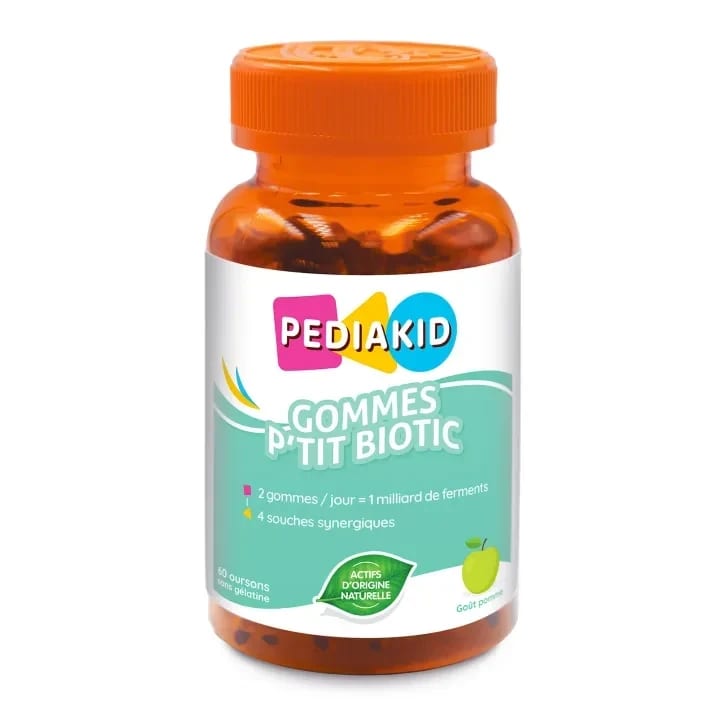
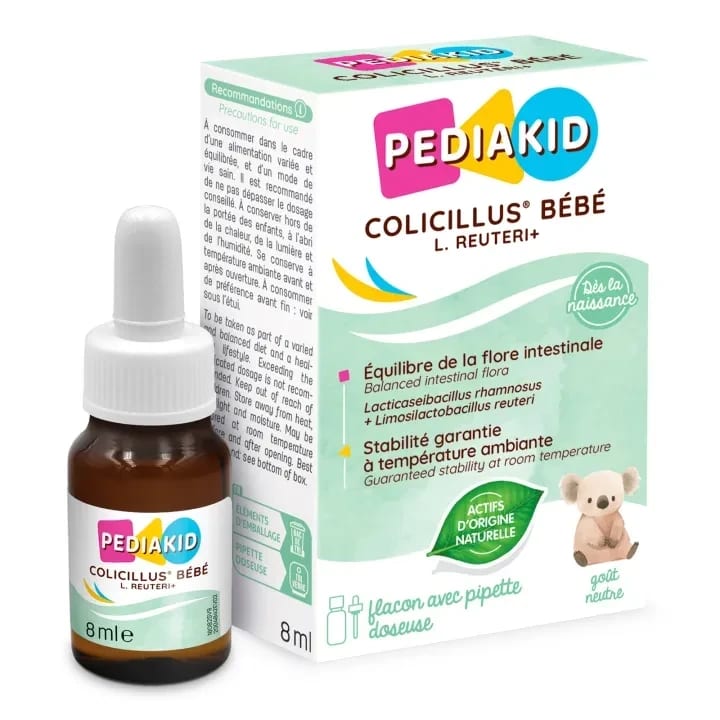
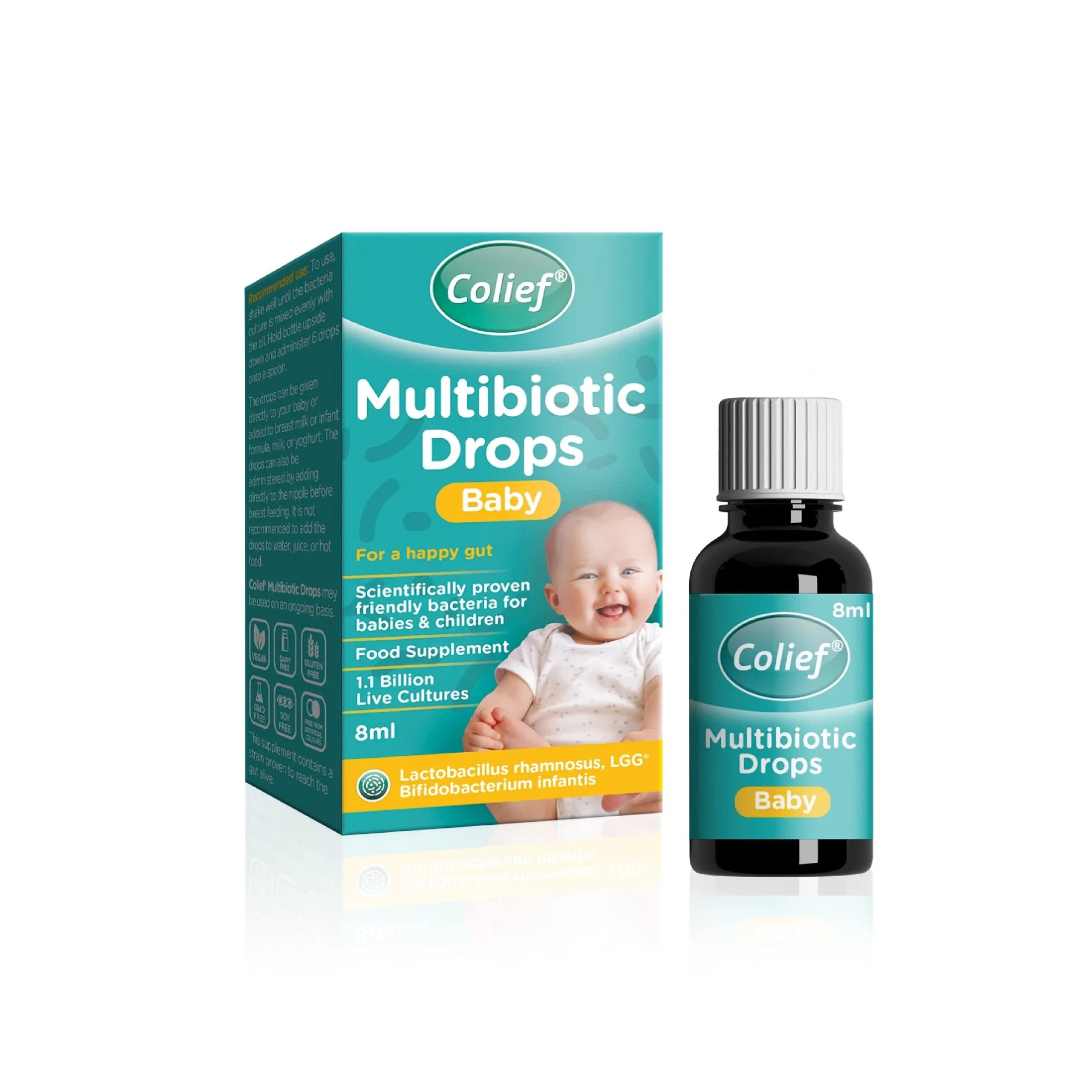
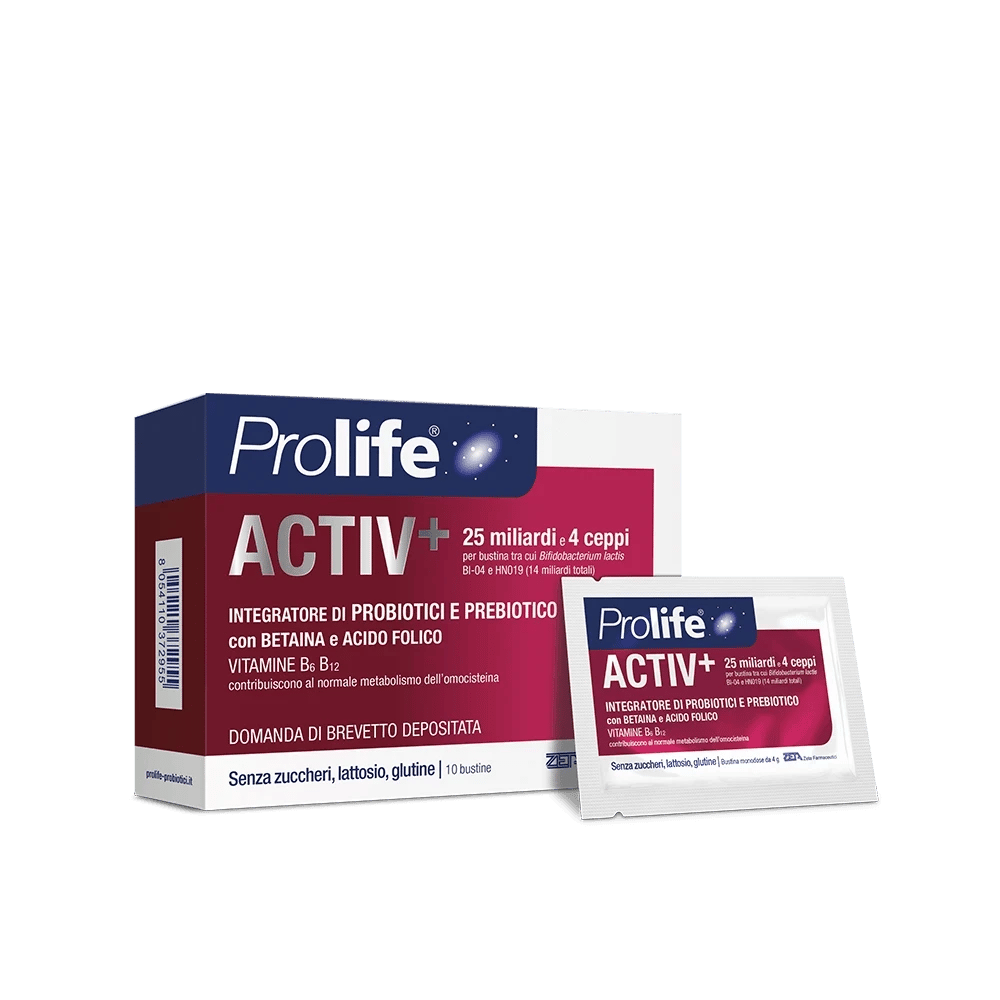
Bifidobacterium refers to a genus of Gram‑positive, anaerobic bacteria that naturally occur in the human and mammalian gastrointestinal tract. In food supplements it is typically present as live cultures identified at species level and often at strain level, shown on labels with a Latin name plus a strain code or number. Because many bifidobacteria are sensitive to oxygen and moisture, common presentations are capsules or powders using protective technologies (e.g., protective matrices or microencapsulation) and the amount is usually expressed as CFU. In cosmetics, the genus name is most often encountered through fermentation-derived materials, such as Bifida Ferment Lysate or related ferment filtrates, which are not necessarily live microorganisms. These fermented materials are used in water-based formulas such as serums and creams as soluble biotech ingredients. In practice, “Bifidobacterium” on an ingredient list may indicate either an oral probiotic culture or a topical ferment derivative, so the exact meaning depends on the form stated on the label.
Lactobacillus is a genus of lactic acid bacteria (LAB) naturally present in fermented foods and in the human microbiota. In food supplements it is typically used as a probiotic culture identified precisely by genus, species and often a strain code, while the amount is commonly expressed as CFU (colony-forming units). In recent years, many species formerly labelled as “Lactobacillus” have been reclassified into new genera (e.g., Lactiplantibacillus, Lacticaseibacillus, Limosilactobacillus), so both legacy and updated names may appear on labels for the same organisms. In products, these cultures are supplied as freeze-dried powders in capsules, sachets or tablets, often combined with prebiotics or additional bacterial strains. In cosmetics, “Lactobacillus” may also appear as part of ferments or ferment filtrates (INCI), where the material is not necessarily a live culture. Because “Lactobacillus” is a broad genus-level term, the exact nature of the ingredient depends on the declared species and strain on the label.
Approved claims
Approved claims
Cranberry is the fruit of Vaccinium macrocarpon (Ericaceae), a tart red berry used as a food and as a raw material for supplements. In products it appears as dried fruit powder, juice concentrate, or fruit extract, often standardised for polyphenols, especially proanthocyanidins (PACs), with A‑type PACs frequently highlighted. Its natural composition also includes anthocyanins, flavonols and organic acids, while the levels of these constituents vary with cultivar and processing. Cranberry is most commonly presented in capsules, tablets, drink powders and liquid formats; in cosmetics it may be used as a fruit extract or as a plant-derived aromatic component in formulations.
Approved claims
Coenzyme Q10 is a lipophilic benzoquinone (ubiquinone-10) that occurs naturally in human cells and in many foods in small amounts. In food supplements it is typically provided as ubiquinone (the oxidised form) or ubiquinol (the reduced form), commonly dispersed in oils or microencapsulated for softgels, capsules or powders. In cosmetics it is most often declared under the INCI name “Ubiquinone” and is used in emulsions such as face creams, eye-area products, serums and body lotions. As a fat-soluble molecule, it is usually formulated into the oil phase and paired with other formula antioxidants to support stability. On labels it may also appear as “ubidecarenone”, a naming variant used in some markets for the same substance. Cosmetic- and supplement-grade material may be produced by fermentation or synthesis and then standardised for purity.
Collagen is a family of fibrous proteins naturally present in animal connective tissues and, in consumer products, it is most commonly sourced from bovine, porcine, or marine raw materials. In supplements it is frequently used as hydrolysed collagen, also labelled as “collagen peptides”, where the protein is broken down into smaller peptides to improve solubility and ease of use in powders, capsules, tablets, and ready-to-mix drinks. On labels it may appear as “hydrolyzed collagen” or “collagen peptides”, with the origin sometimes specified as marine, bovine, or porcine. In cosmetics, collagen is typically declared under the INCI name “Hydrolyzed Collagen” and is used in water-based formulas such as serums, creams, and masks, often at modest concentrations alongside humectants and film-forming polymers. As a material, it is a mixture primarily composed of amino acids, peptides, and proteins, with properties influenced by the source and degree of hydrolysis. Because it is protein-based, collagen-containing products can have a characteristic taste or odour, so flavoured options are also common.
Choline is a water-soluble organic compound often grouped with the B-complex family, occurring naturally in foods such as eggs, meat, fish and legumes, and also present in the body as part of phospholipids. In supplements it is used as choline bitartrate, choline chloride, alpha-GPC (L-alpha-glycerylphosphorylcholine) or citicoline (CDP-choline), and also via lecithin as a source of phosphatidylcholine. On labels it may also appear as “total choline” calculated from these sources. In cosmetics, choline derivatives and phospholipids can be used in formulas as components of liposomal delivery systems or within conditioning blends, typically in leave-on or rinse-off products. Choline is commonly presented in capsules, tablets, powders or liquids, often combined with phospholipids or other lipid-matrix ingredients. Composition and concentration depend on the chemical form and on how the raw material is standardised.
Inositol is a six‑carbon polyol (sugar alcohol), chemically a cyclohexanehexol, occurring naturally in the human body and widely in plant foods. It exists as several stereoisomers, with myo‑inositol being the most prevalent form, while D‑chiro‑inositol is less abundant and is used either alone or in defined combinations in supplements. In foods and food supplements, inositol is typically supplied as a soluble powder or as capsules/tablets, most often as myo‑inositol, D‑chiro‑inositol, or as phosphorylated derivatives such as inositol hexaphosphate (IP6/phytate). In cosmetics it appears under the INCI name “INOSITOL” and is used in face, body, and hair formulas, usually at low levels within the water phase. Owing to its strongly hydrophilic character, it is easy to incorporate into serums, creams, toners, and leave‑in hair products. In formulations it may also be present as part of complexes alongside other humectant or conditioning ingredients.