
Momcozy

French dermocosmetics brand combining dermatological expertise with scientific innovation — part of our first edition.
Discover the brand →Products
Related searches
Related ingredients
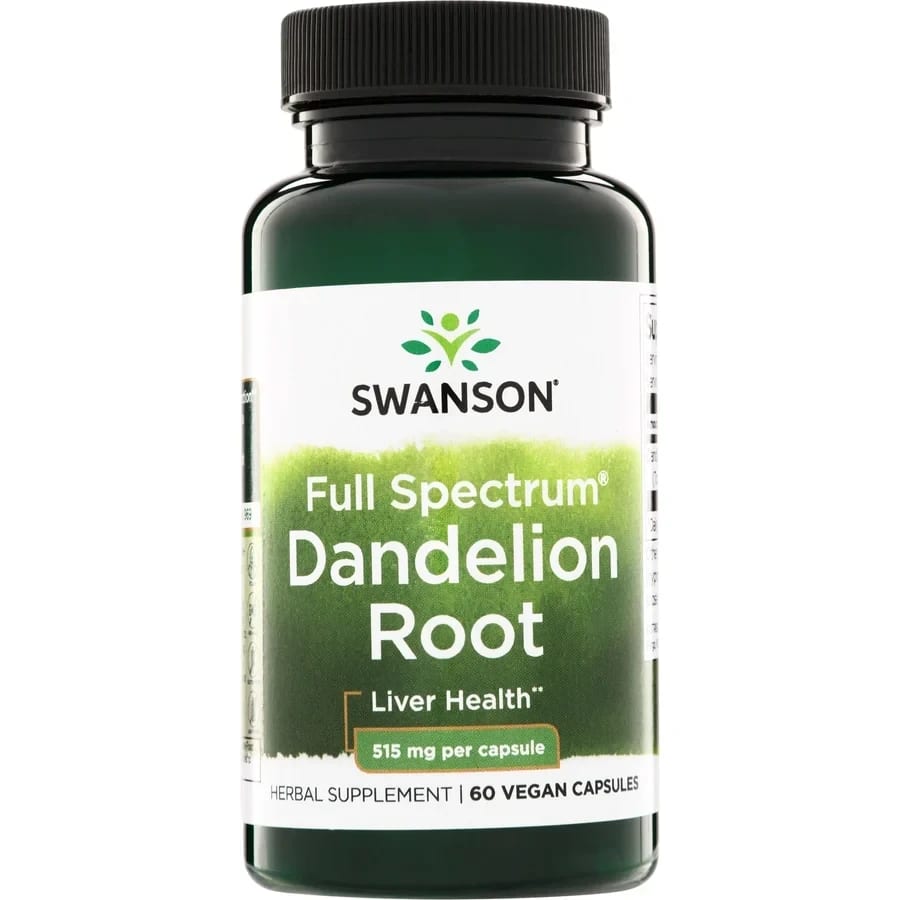
Dandelion (Taraxacum officinale) is a perennial herbaceous plant from the Asteraceae family, widely found across Europe and beyond. In supplements it is typically used as a botanical extract from the root and/or leaves, presented as a powder, capsule, tablet, or liquid, with specifications that vary by plant part and extraction method. In cosmetics it appears under INCI naming, most commonly as “Taraxacum Officinale Extract”, as well as more specific variants that indicate the plant part (e.g., root or aerial parts). Extracts may be water-based, glycerin-based, or hydroalcoholic and are incorporated into formulas such as serums, creams, toners, and scalp-care products. The plant’s natural composition includes a complex mixture of botanical constituents such as polyphenols and sesquiterpene lactones, which can vary with origin and standardisation. On labels, the Latin botanical name is commonly used to ensure precise identification of the species.
Rose hip (Rosa canina) is a wild rose species; in products, the main material used is its fruit, commonly called the “hip”, as well as the seeds. In supplements it appears as dried fruit powder, fruit extract (e.g., extraction ratios such as 4:1), or as a standardised extract, typically presented in capsules, tablets, powders, or blended botanical formulas. In cosmetics it is listed under INCI names such as Rosa Canina Fruit Extract, Rosa Canina Fruit Oil, or Rosa Canina Seed Oil, used in oils, serums, creams, and balms. The raw material may be produced with carriers/solvents such as glycerin or glycols for extracts, or by pressing/extraction for oils from the fruit or seeds. On labels it may also be written as “rosehip” or “dog rose”, referring to the same botanical species.
Approved claims
Cranberry is the fruit of Vaccinium macrocarpon (Ericaceae), a tart red berry used as a food and as a raw material for supplements. In products it appears as dried fruit powder, juice concentrate, or fruit extract, often standardised for polyphenols, especially proanthocyanidins (PACs), with A‑type PACs frequently highlighted. Its natural composition also includes anthocyanins, flavonols and organic acids, while the levels of these constituents vary with cultivar and processing. Cranberry is most commonly presented in capsules, tablets, drink powders and liquid formats; in cosmetics it may be used as a fruit extract or as a plant-derived aromatic component in formulations.
Approved claims
Vitamin C
Approved claims
Antioxidant trace mineral; supports bones and connective tissue.
Approved claims
Fenugreek refers to the seeds of Trigonella foenum-graecum L., an aromatic legume widely used as a culinary spice and as a botanical raw material in wellness products. In supplements it is most often found as seed powder, seed extract, or a standardised extract, presented in capsules, tablets, or drink-mix powders. The seed naturally contains fibre and mucilaginous polysaccharides, alongside saponins and other characteristic plant constituents of this species. In cosmetics it is mainly used as a seed extract under the INCI name Trigonella Foenum-Graecum Seed Extract, incorporated into water- or glycerin-based systems for skin and hair products. It may also appear as an aromatic derivative (e.g., an absolute) in fragranced formulas. On labels it can be listed as “seed”, “seed powder”, or “seed extract”, depending on the chosen form.
Water-soluble B vitamin; supports energy metabolism and the nervous system.
Approved claims
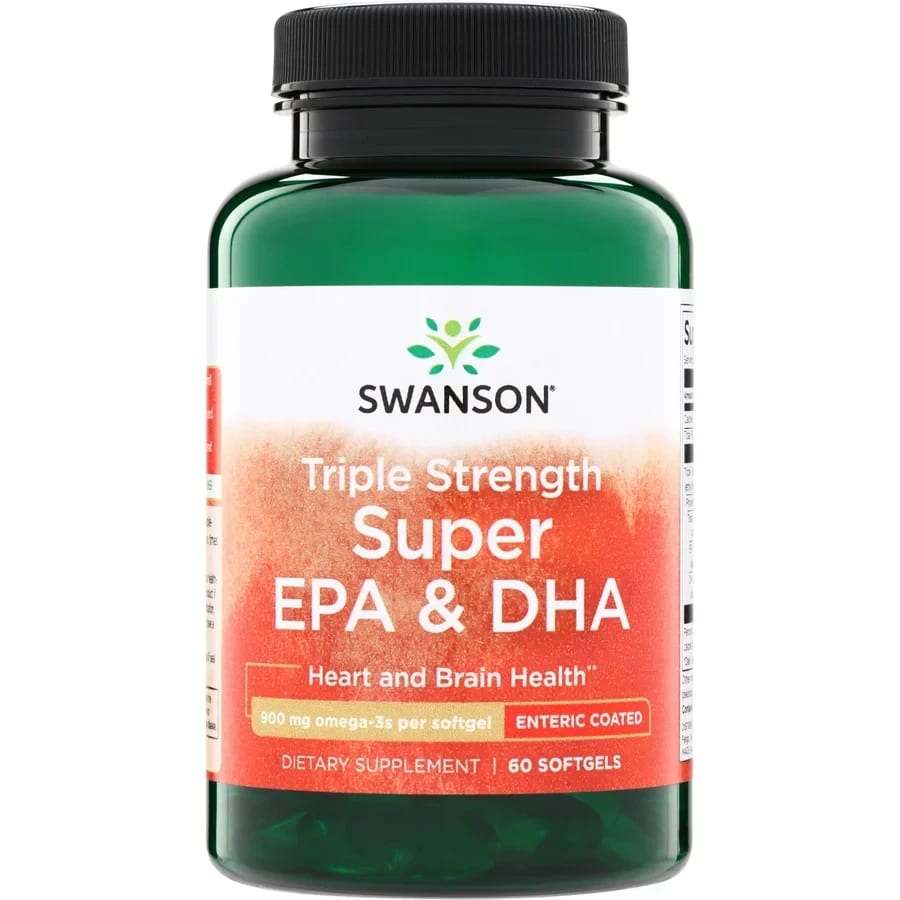
Krill oil is a marine oil obtained from Antarctic krill (Euphausia superba), a small planktonic crustacean. In food supplements it is used as a source of long-chain omega-3 fatty acids, mainly EPA and DHA, which in krill are often present in phospholipid-bound forms alongside a fraction of triglycerides. Commercial products are typically standardised for their EPA+DHA content and are most commonly presented as softgel capsules, more rarely as a liquid oil. As an animal-derived ingredient, its composition can vary with extraction and purification methods. In formulations, krill oil may be combined with added antioxidants to support oxidative stability and with other marine oils.