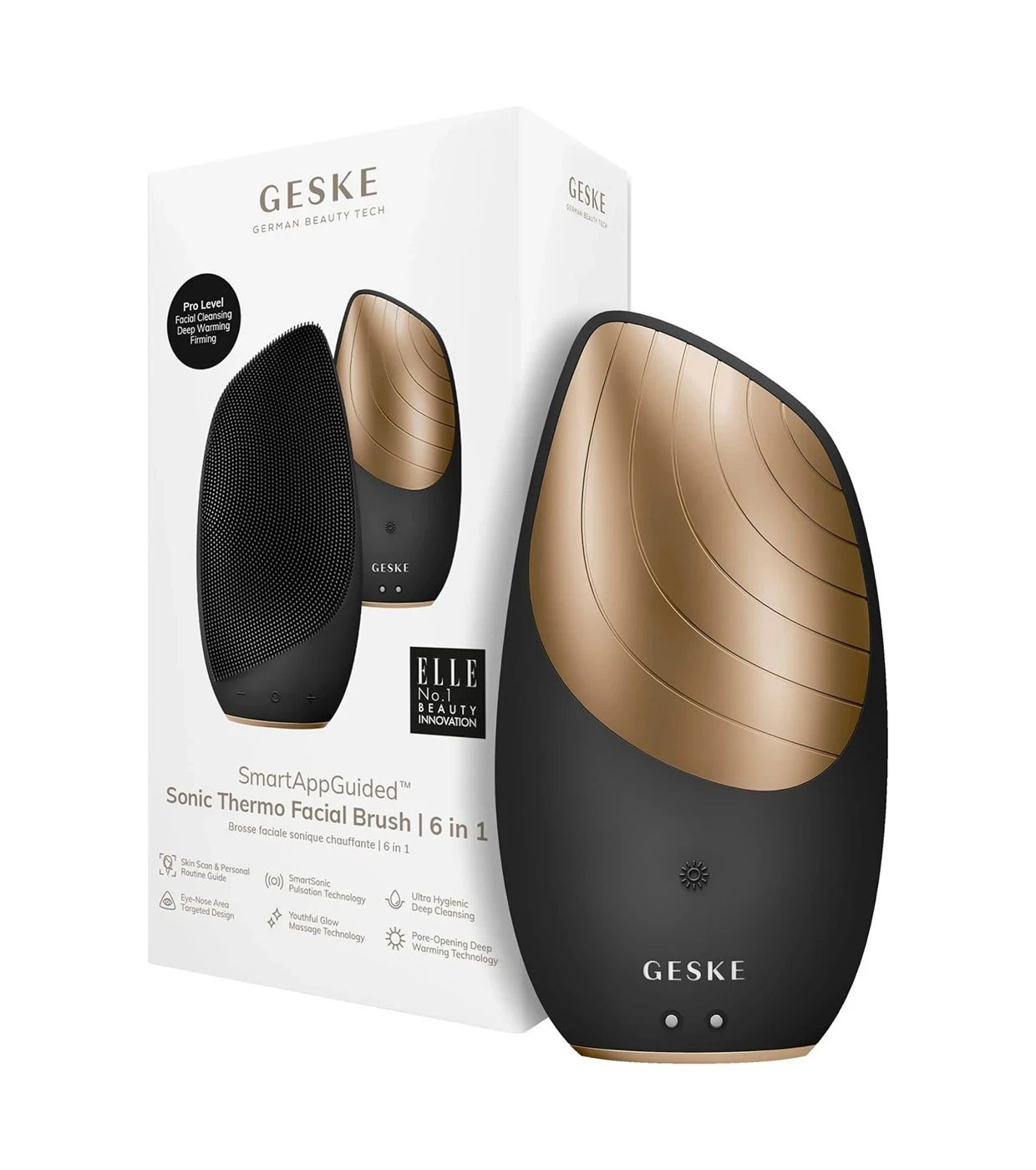
Geske
Choose options
French dermocosmetics brand combining dermatological expertise with scientific innovation — part of our first edition.
Discover the brand →Products
Related searches
Related ingredients
Fenugreek refers to the seeds of Trigonella foenum-graecum L., an aromatic legume widely used as a culinary spice and as a botanical raw material in wellness products. In supplements it is most often found as seed powder, seed extract, or a standardised extract, presented in capsules, tablets, or drink-mix powders. The seed naturally contains fibre and mucilaginous polysaccharides, alongside saponins and other characteristic plant constituents of this species. In cosmetics it is mainly used as a seed extract under the INCI name Trigonella Foenum-Graecum Seed Extract, incorporated into water- or glycerin-based systems for skin and hair products. It may also appear as an aromatic derivative (e.g., an absolute) in fragranced formulas. On labels it can be listed as “seed”, “seed powder”, or “seed extract”, depending on the chosen form.
Mineral involved in over 300 enzymatic reactions; supports energy, muscles, and the nervous system.
Approved claims
Natural stimulant of the central nervous system.
Approved claims
Approved claims
Lycopene is a lipophilic carotenoid (a naturally occurring red pigment) found in tomatoes and other red fruits and vegetables. Chemically it is a C40H56 tetraterpene hydrocarbon with many double bonds, occurring as all‑trans and cis isomers. In supplements it is used as isolated lycopene or as a standardised tomato oleoresin/tomato extract, commonly formulated in oil-based softgels to keep it solubilised. On labels it may also appear as “E160d” when used as a food colour. In cosmetics it is used in lipophilic systems such as serums and creams, typically dispersed in the oil phase or encapsulated to improve stability and handling. Industrial sources include tomato-derived extracts and, in some products, lycopene produced from microbial sources or supplied in stabilised forms such as beadlets.
Green tea extract is a concentrated preparation of naturally occurring constituents from the leaves of Camellia sinensis, typically obtained with water, ethanol, or mixed solvents and then supplied as a dry powder or a standardised liquid. In food supplements it is commonly presented as an extract standardised to polyphenols/catechins, with particular focus on (-)-epigallocatechin-3-gallate (EGCG), and it may be decaffeinated or retain part of tea’s naturally occurring caffeine. Composition varies with plant material, processing and extraction ratio, so labels may declare percentages of catechins, EGCG or total polyphenols. In cosmetics it is used as a botanical raw material under the INCI name Camellia Sinensis Leaf Extract, often delivered in aqueous, glycerinic or hydro-glycolic bases and incorporated into serums, creams, toners and masks. It may also appear as “green tea water” or as catechin-enriched fractions depending on the formulation approach. Although it comes from the same plant used for green, white, oolong and black tea, the extract’s profile is defined by the chosen extraction and standardisation.
Cranberry is the fruit of Vaccinium macrocarpon (Ericaceae), a tart red berry used as a food and as a raw material for supplements. In products it appears as dried fruit powder, juice concentrate, or fruit extract, often standardised for polyphenols, especially proanthocyanidins (PACs), with A‑type PACs frequently highlighted. Its natural composition also includes anthocyanins, flavonols and organic acids, while the levels of these constituents vary with cultivar and processing. Cranberry is most commonly presented in capsules, tablets, drink powders and liquid formats; in cosmetics it may be used as a fruit extract or as a plant-derived aromatic component in formulations.
D-mannose is a monosaccharide (a simple sugar) in the aldohexose family and a structural isomer of glucose, occurring naturally in some plants and also in the body as part of carbohydrate structures attached to proteins. In food supplements it is typically used as purified D-mannose supplied as a powder, capsules, or sachets, where it serves as a source of this specific sugar. Chemically it has the formula C6H12O6 and can exist in different ring forms in aqueous solution (e.g., mannopyranose). In cosmetics it may appear on the INCI list as MANNOSE and is used as a humectant, meaning a water-binding ingredient within the formula. You will see it in products such as creams, serums, or masks, usually at low percentages as part of a broader sugar-based moisturizing complex.
Rose hip (Rosa canina) is a wild rose species; in products, the main material used is its fruit, commonly called the “hip”, as well as the seeds. In supplements it appears as dried fruit powder, fruit extract (e.g., extraction ratios such as 4:1), or as a standardised extract, typically presented in capsules, tablets, powders, or blended botanical formulas. In cosmetics it is listed under INCI names such as Rosa Canina Fruit Extract, Rosa Canina Fruit Oil, or Rosa Canina Seed Oil, used in oils, serums, creams, and balms. The raw material may be produced with carriers/solvents such as glycerin or glycols for extracts, or by pressing/extraction for oils from the fruit or seeds. On labels it may also be written as “rosehip” or “dog rose”, referring to the same botanical species.