Vitabiotics

French dermocosmetics brand combining dermatological expertise with scientific innovation — part of our first edition.
Discover the brand →Products
Related searches
Related ingredients
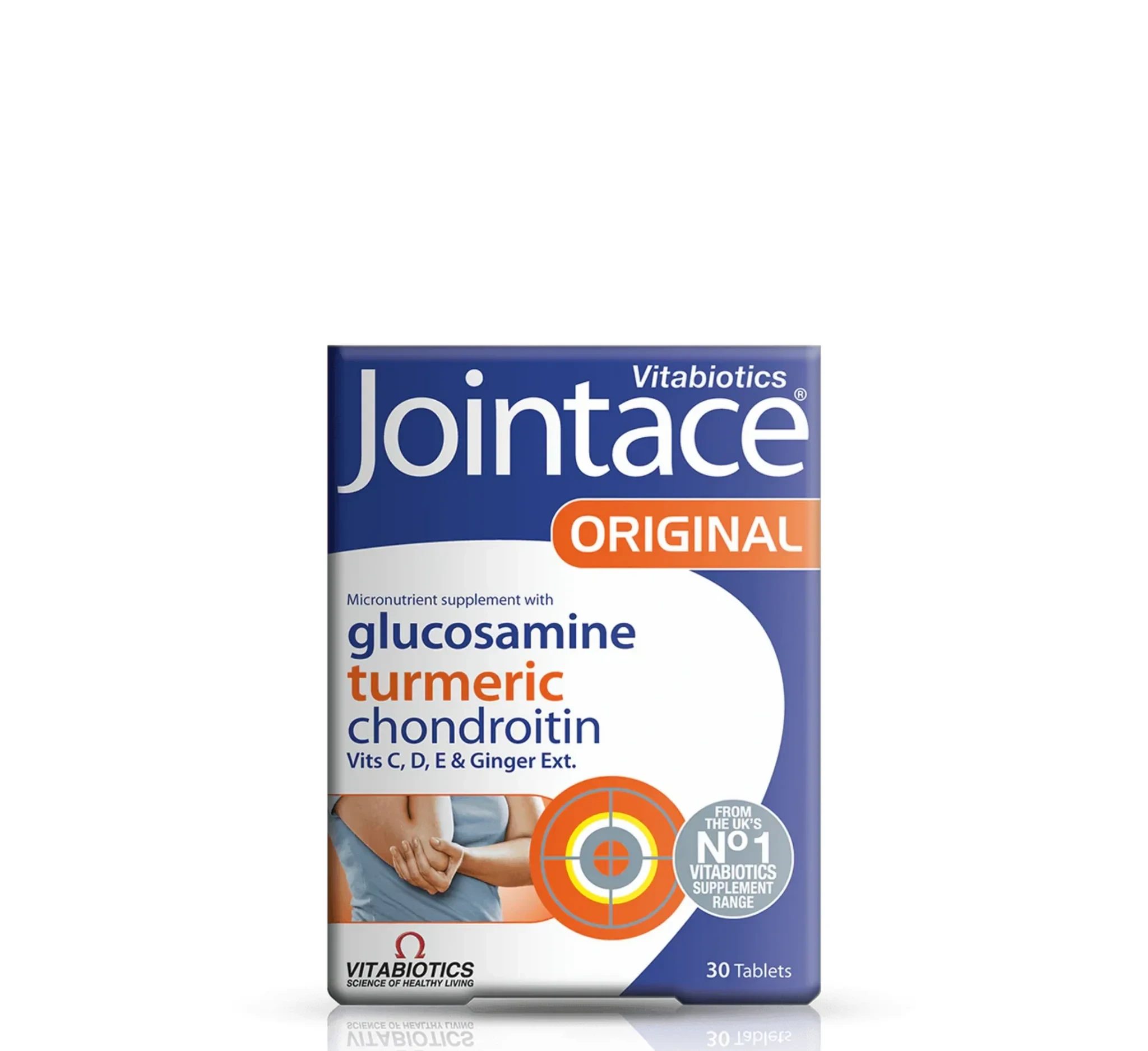
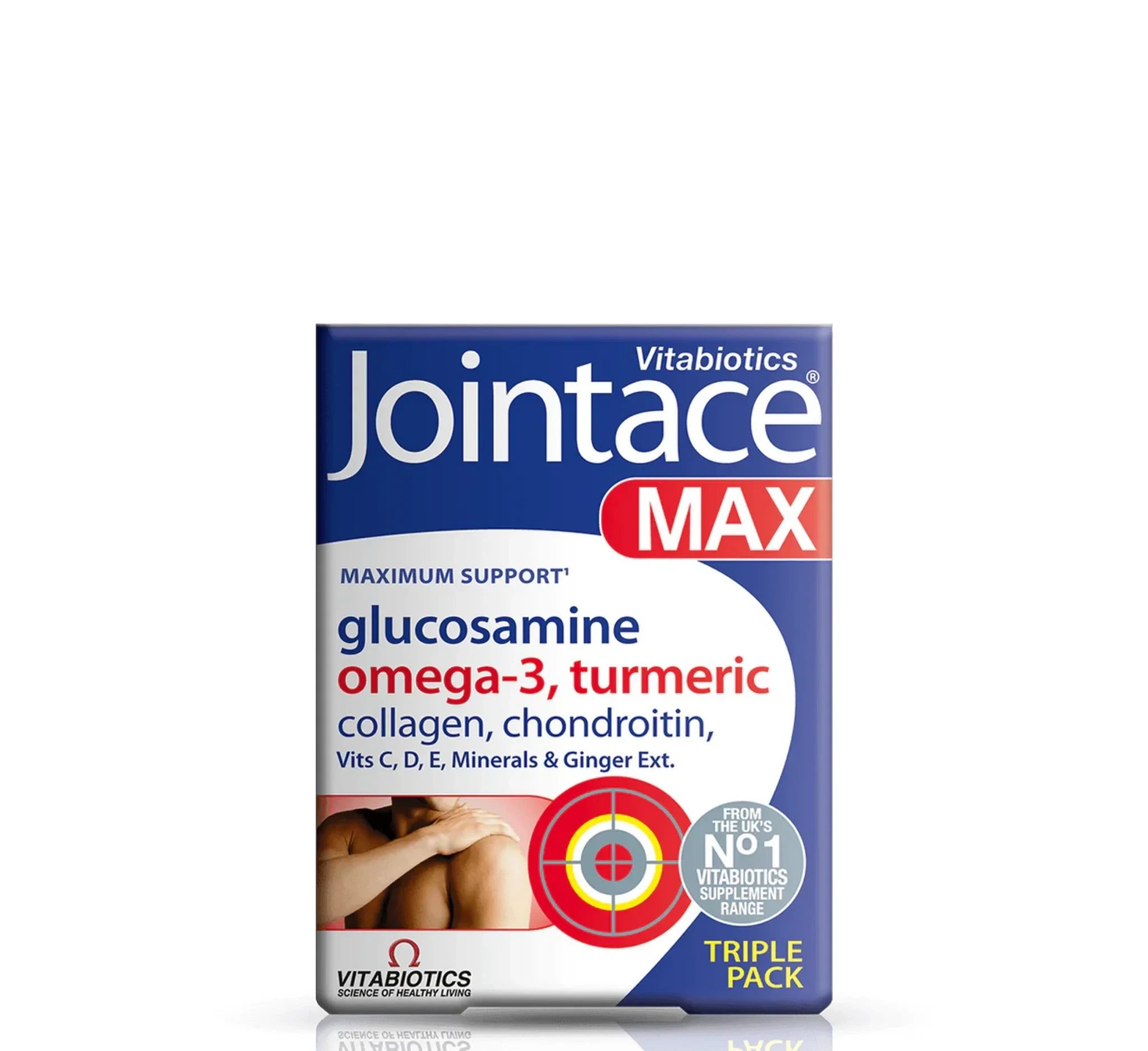
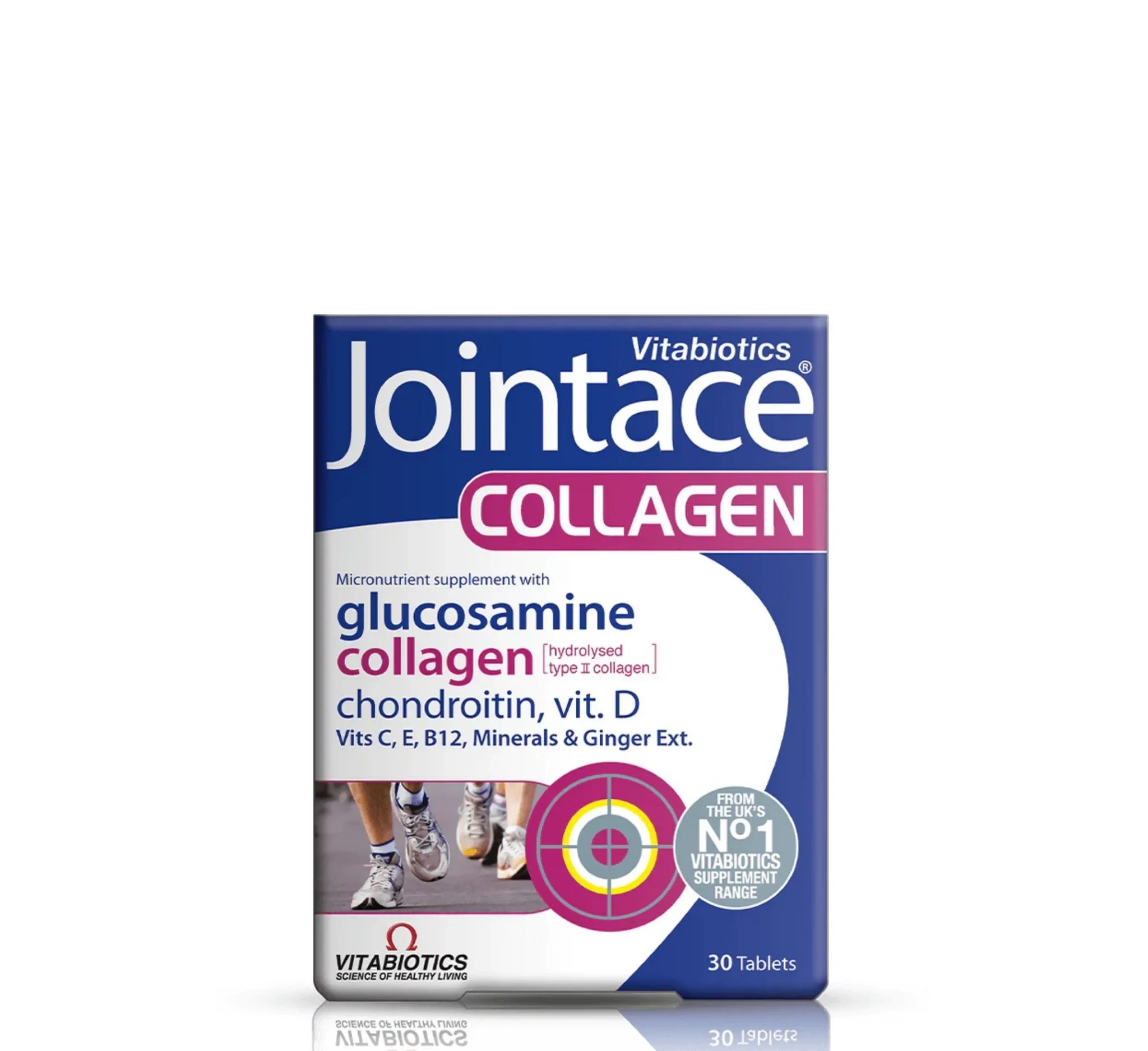
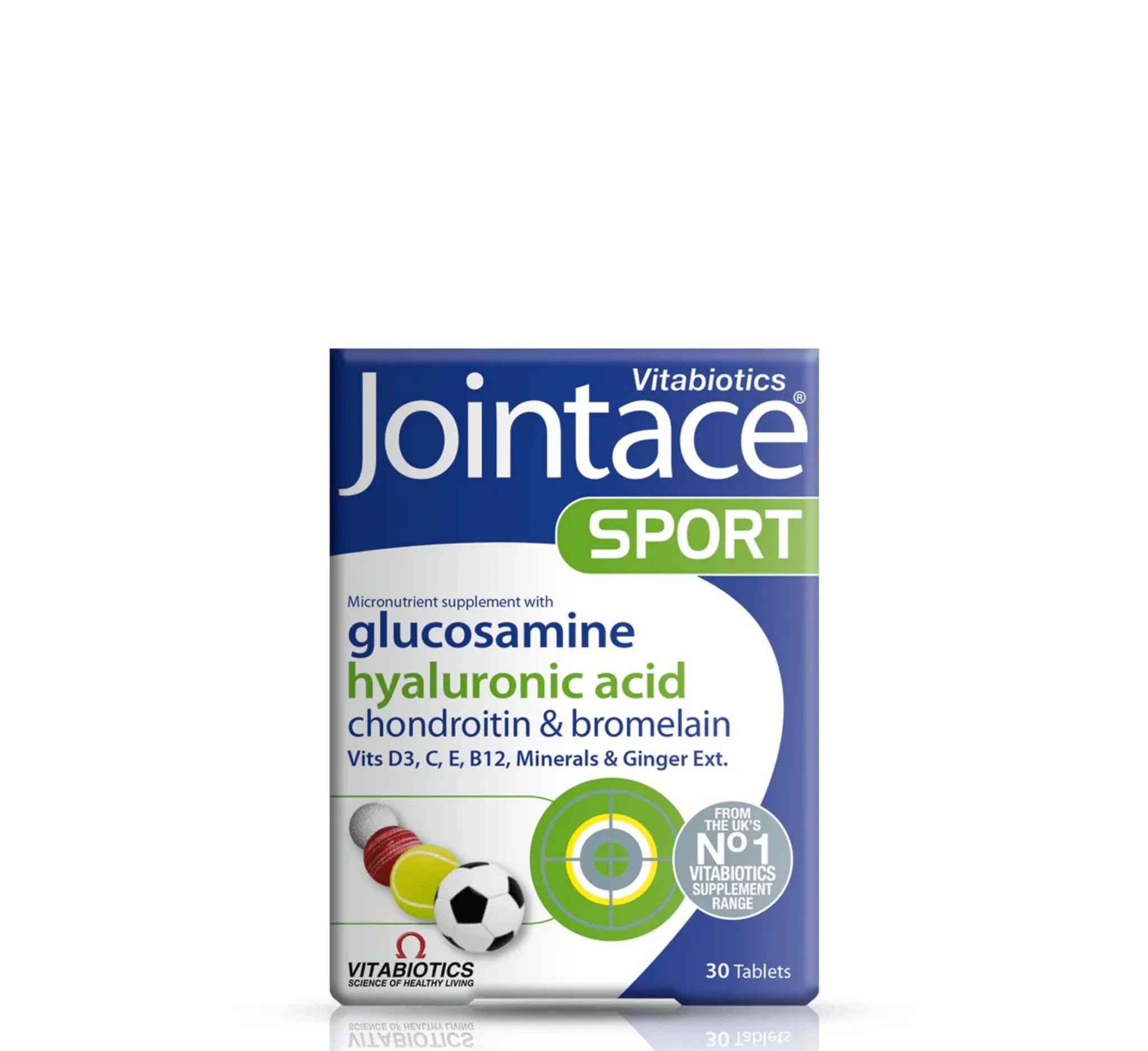
Glucosamine is an amino sugar (aminomonosaccharide) that occurs naturally in the body as a building block within certain connective-tissue structures. In food supplements it is most commonly used as glucosamine sulfate or glucosamine hydrochloride, often stabilised as a salt with sodium chloride or potassium chloride, and presented as tablets, capsules, powders, or sachets. The raw material may be sourced from marine materials (e.g., crustacean shells) or produced via microbial fermentation, depending on the manufacturer and purity specifications. On labels it may also appear as “glucosamine sulfate sodium chloride” or “glucosamine sulfate potassium chloride”, which describe stabilised sulfate forms. In cosmetics, glucosamine-related derivatives may be used as functional ingredients in water-based formulas, while supplements typically focus on oral dose forms. Products frequently combine it with other ingredients from the same category, such as chondroitin, and declare the amount either as the salt form or as a glucosamine equivalent.
Chondroitin sulfate is a glycosaminoglycan, meaning a long polysaccharide built from repeating disaccharide units, naturally present in connective tissues and especially in cartilage. In food supplements it is most commonly listed as “chondroitin sulfate” or as a sodium salt, supplied as capsules, tablets, powders, or sachets. Traditional raw-material sources include bovine, porcine, avian, and cartilaginous fish cartilage, while some products use chondroitin sulfate made via microbial fermentation followed by sulfation. Composition and molecular weight can vary with the source and purification process, so labels often specify the form and origin. In cosmetics it may appear as a skin-conditioning/humectant ingredient in topical formulas, typically using water-soluble derivatives and low concentrations suited to leave-on or rinse-off products.
Hyaluronic acid is a high–molecular weight polysaccharide (a glycosaminoglycan) that occurs naturally in connective tissues and body fluids. In cosmetic products it is very often present as the more water‑soluble salt Sodium Hyaluronate, and also as modified forms such as Hydrolyzed Hyaluronic Acid or Sodium Acetylated Hyaluronate, selected for molecular weight and skin feel. The raw material is commonly obtained via biotechnological fermentation and supplied as a powder or as an aqueous solution for easy incorporation into formulas. In skincare it is used in serums, creams, masks and eye products, where it contributes to texture and a smooth application sensorial. In food supplements it may appear as hyaluronan or sodium hyaluronate, typically in capsules or tablets, frequently alongside other structural ingredients. Modern formulations often combine multiple molecular weights or crosslinked derivatives (crosspolymers) to fine‑tune viscosity and product stability.
Trace mineral that helps macronutrient metabolism and blood glucose levels.
Approved claims
Approved claims
N-acetylcysteine (NAC) is a derivative of the amino acid L-cysteine in which the amino group is acetylated; on labels it may also appear as N-acetyl-L-cysteine or acetylcysteine. It is a small, water-soluble organosulfur compound that is chemically related to cysteine found naturally in proteins and in human metabolism. In food supplements it is typically supplied as a powder or in capsules/tablets containing NAC as the primary ingredient, sometimes in blends with other amino acids. In cosmetics it may be present under the INCI name “Acetyl Cysteine”, used in water-based formulas such as serums or skin-care products. As a raw material, NAC is commonly identified by its chemical name “acetylcysteine” and standard identifiers such as a CAS number, while specifications can differ by purity grade and supplied form.
Approved claims
D-mannose is a monosaccharide (a simple sugar) in the aldohexose family and a structural isomer of glucose, occurring naturally in some plants and also in the body as part of carbohydrate structures attached to proteins. In food supplements it is typically used as purified D-mannose supplied as a powder, capsules, or sachets, where it serves as a source of this specific sugar. Chemically it has the formula C6H12O6 and can exist in different ring forms in aqueous solution (e.g., mannopyranose). In cosmetics it may appear on the INCI list as MANNOSE and is used as a humectant, meaning a water-binding ingredient within the formula. You will see it in products such as creams, serums, or masks, usually at low percentages as part of a broader sugar-based moisturizing complex.
Vitamin C
Approved claims
Krill oil is a marine oil obtained from Antarctic krill (Euphausia superba), a small planktonic crustacean. In food supplements it is used as a source of long-chain omega-3 fatty acids, mainly EPA and DHA, which in krill are often present in phospholipid-bound forms alongside a fraction of triglycerides. Commercial products are typically standardised for their EPA+DHA content and are most commonly presented as softgel capsules, more rarely as a liquid oil. As an animal-derived ingredient, its composition can vary with extraction and purification methods. In formulations, krill oil may be combined with added antioxidants to support oxidative stability and with other marine oils.