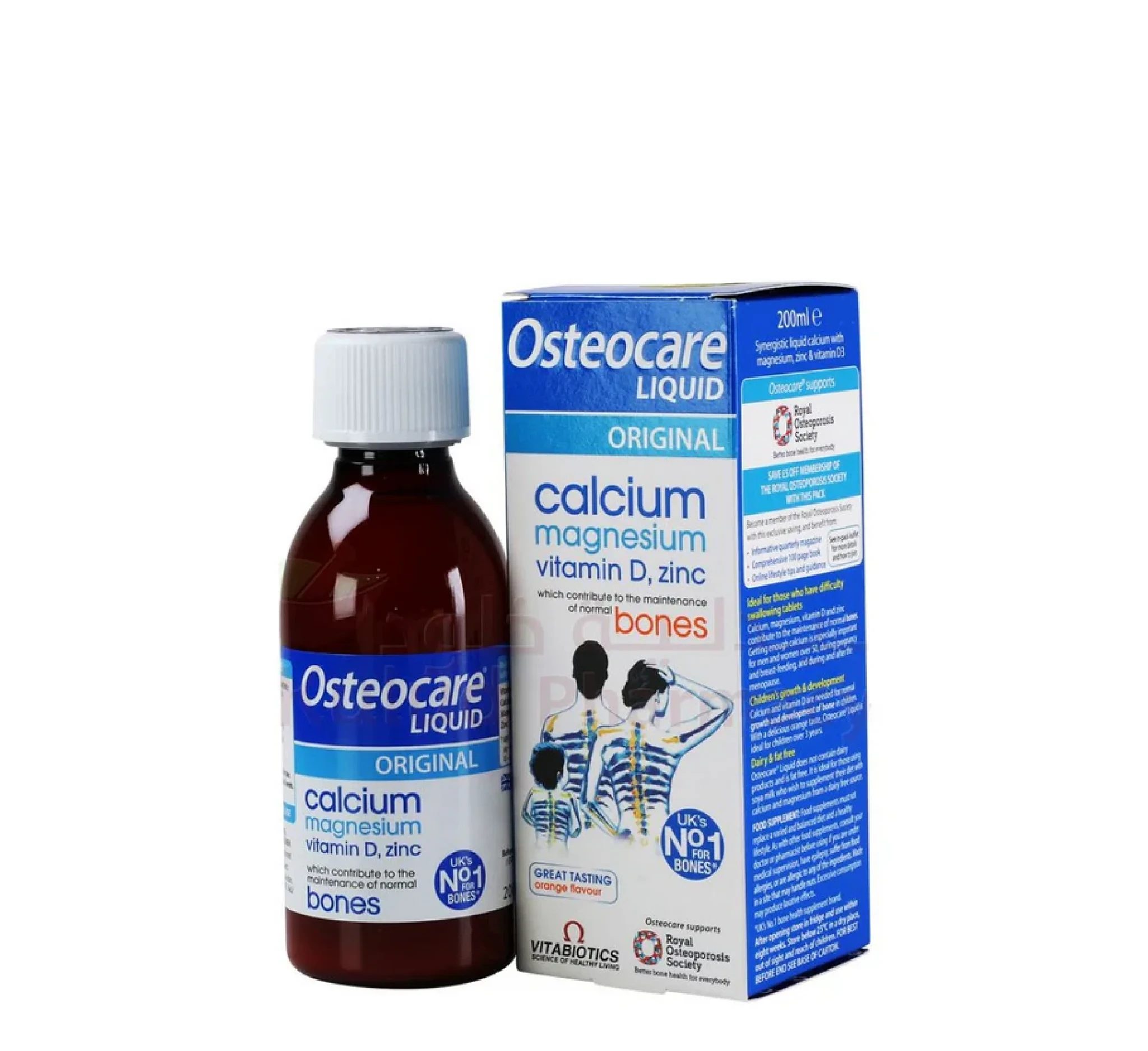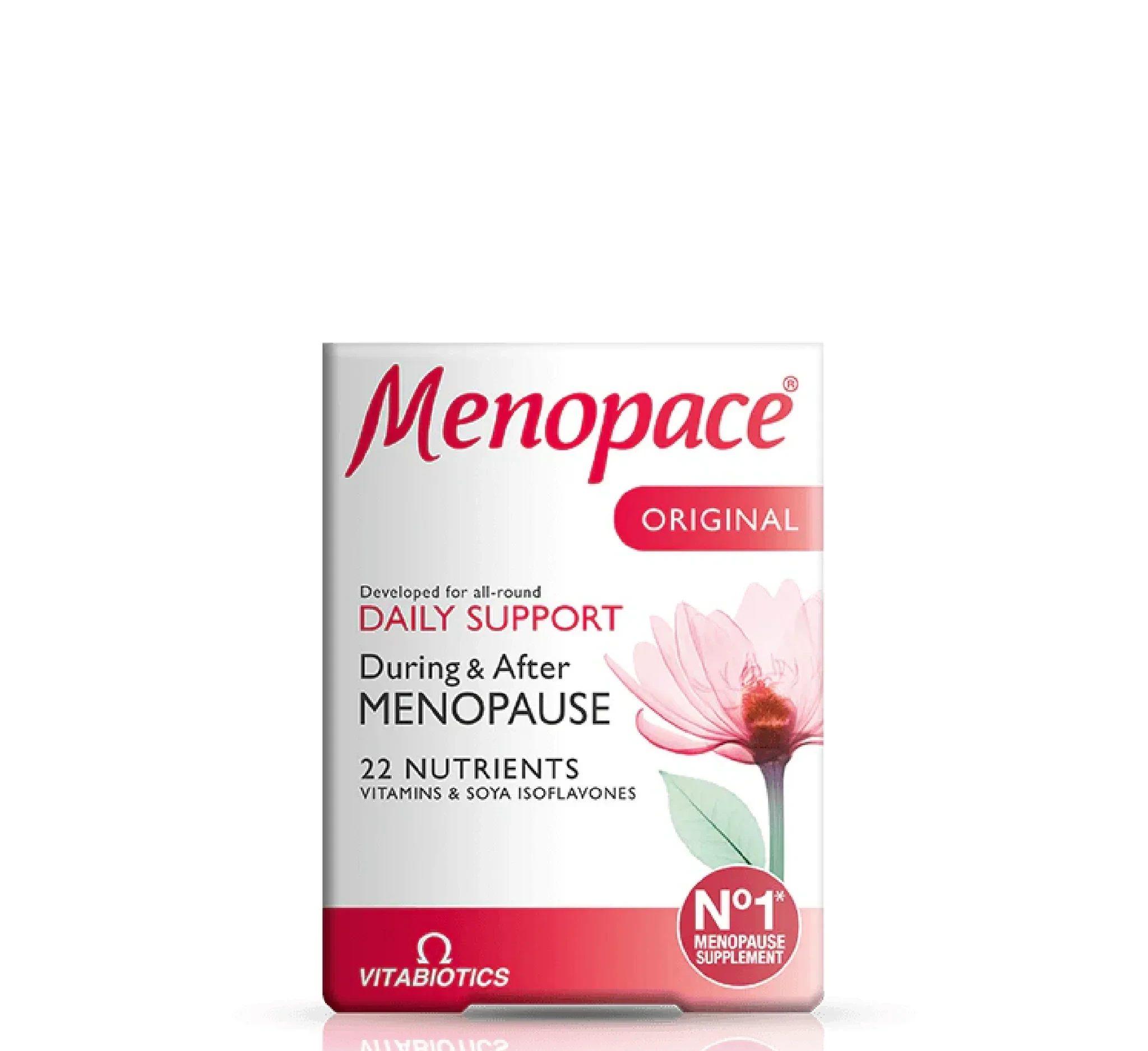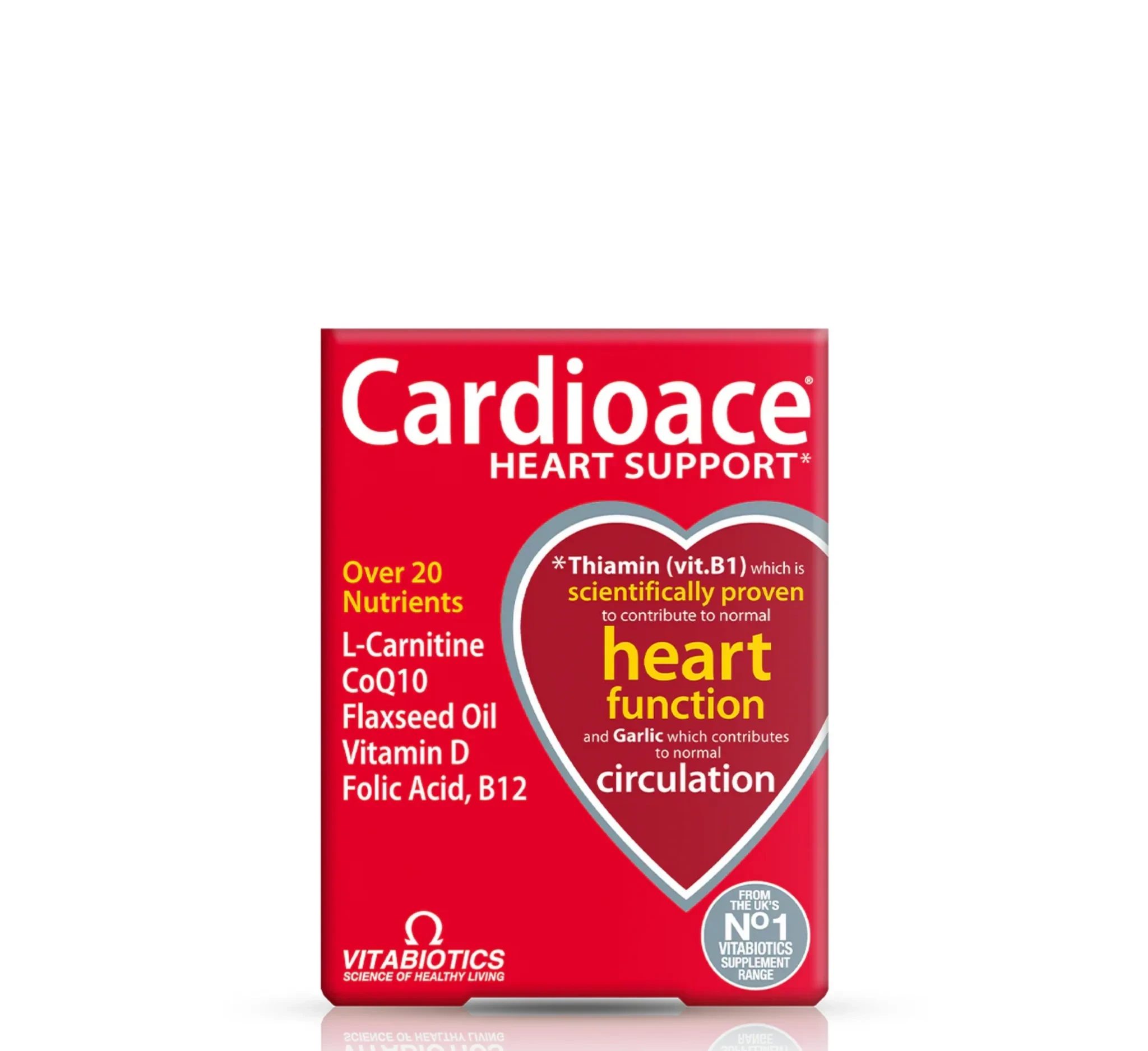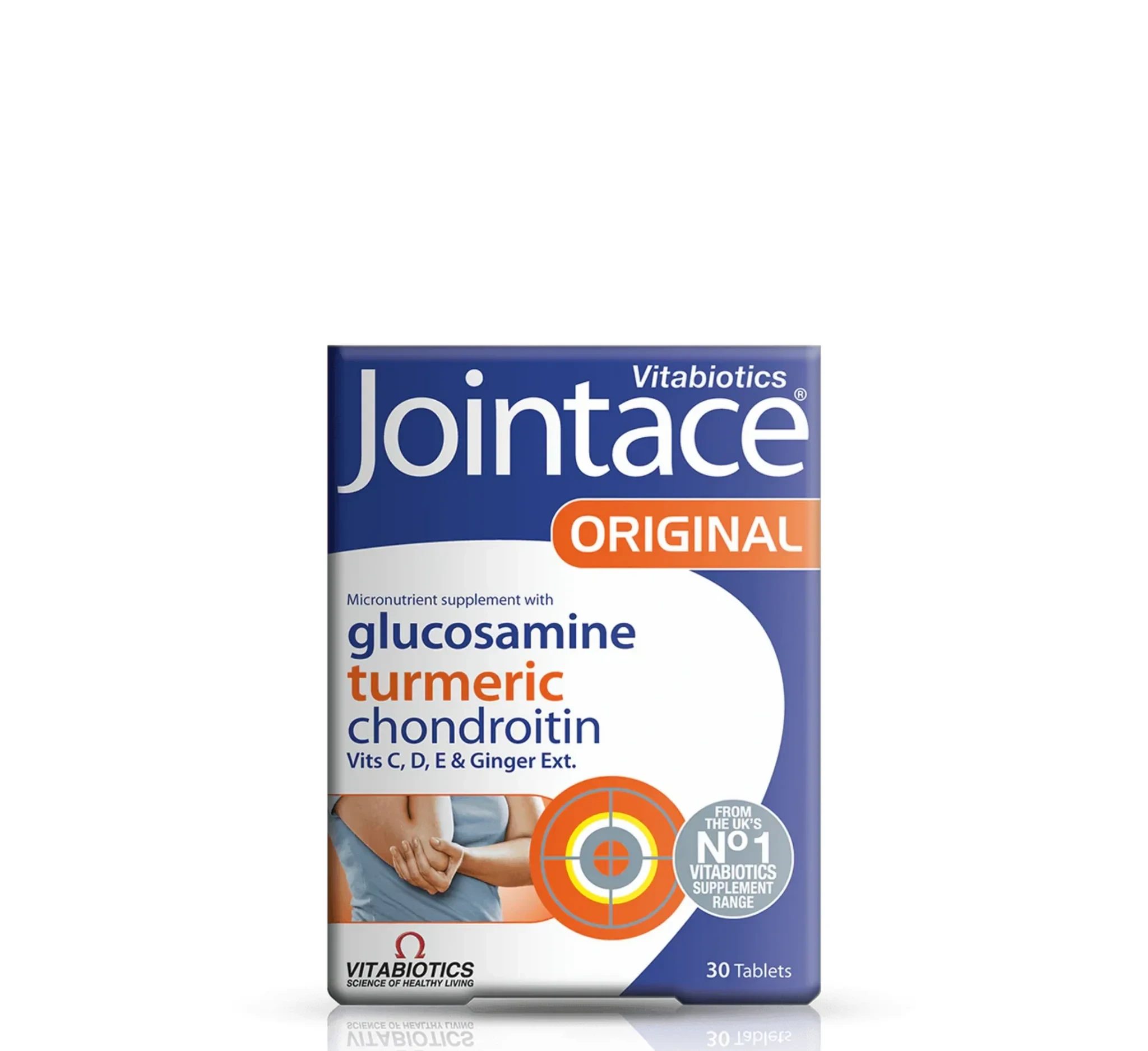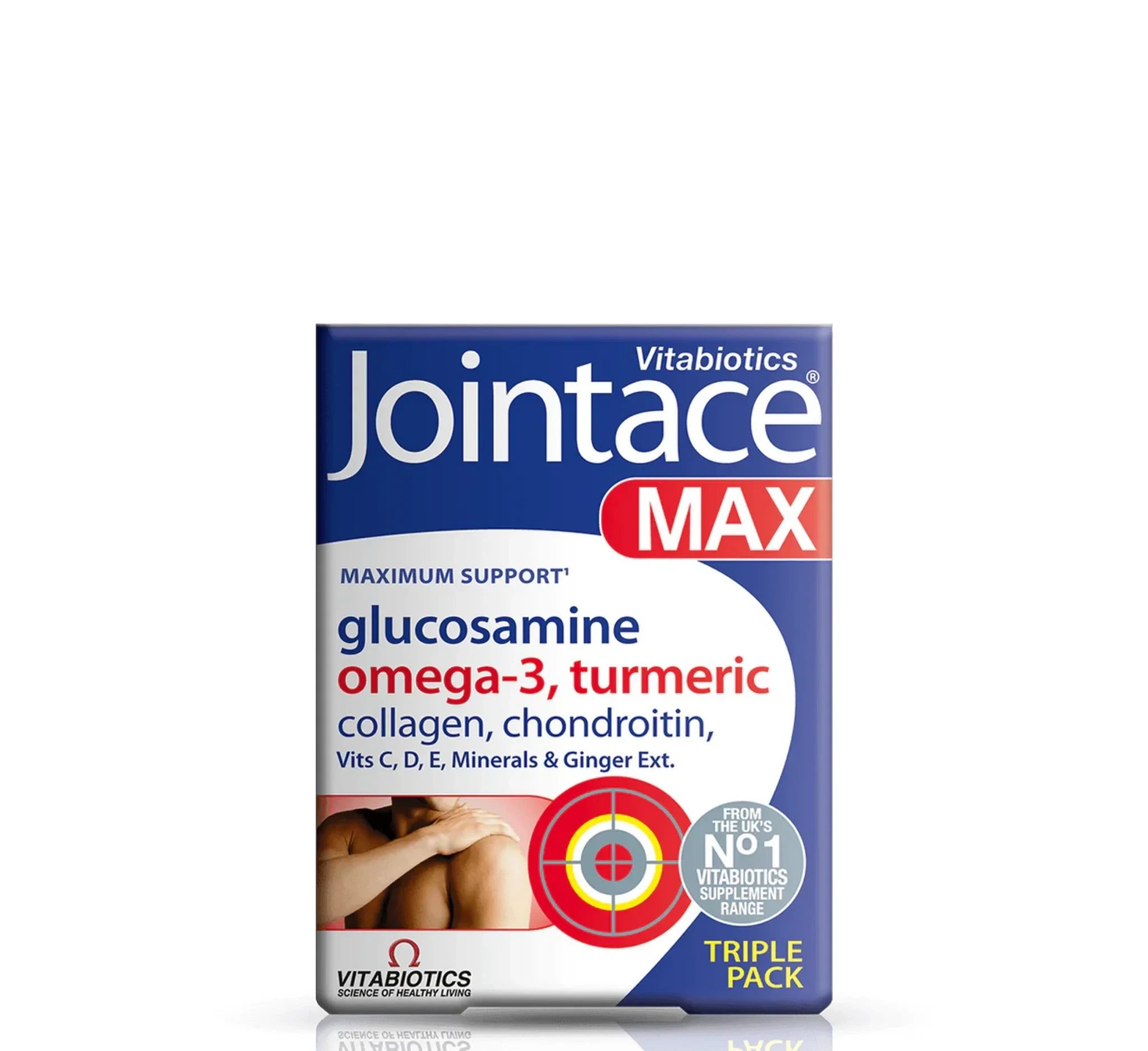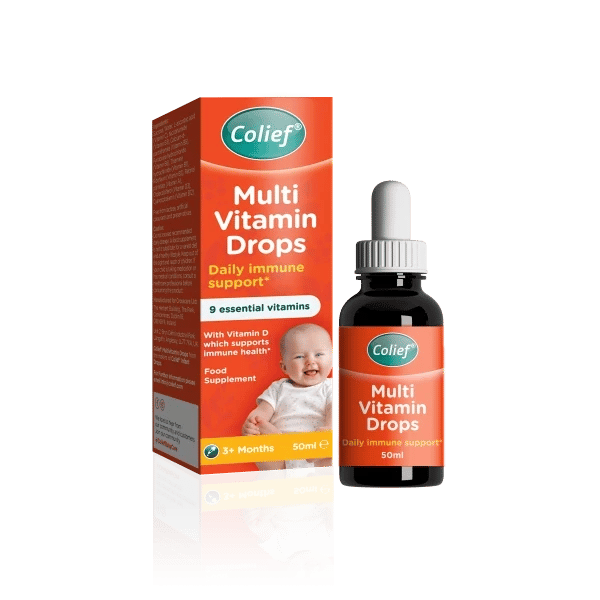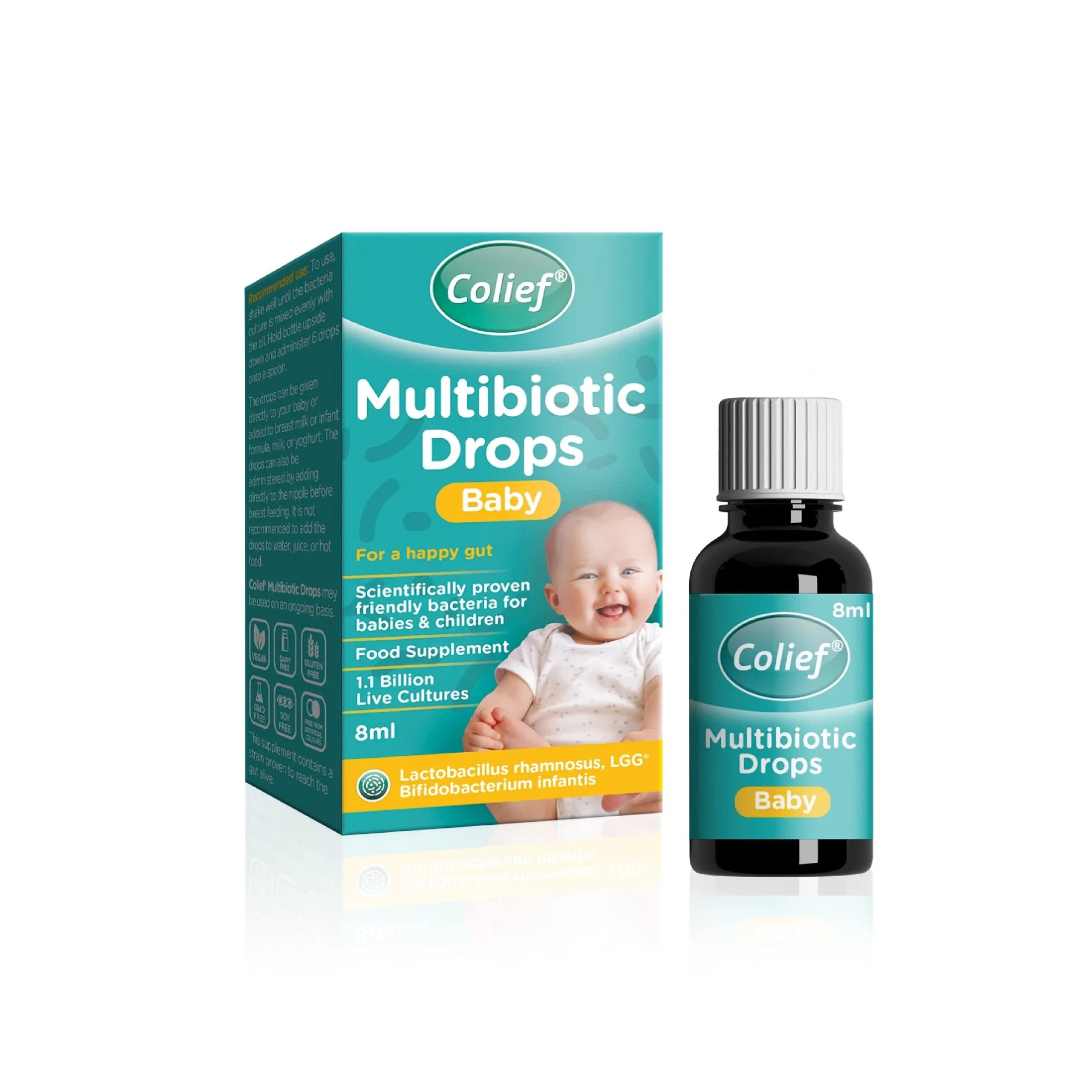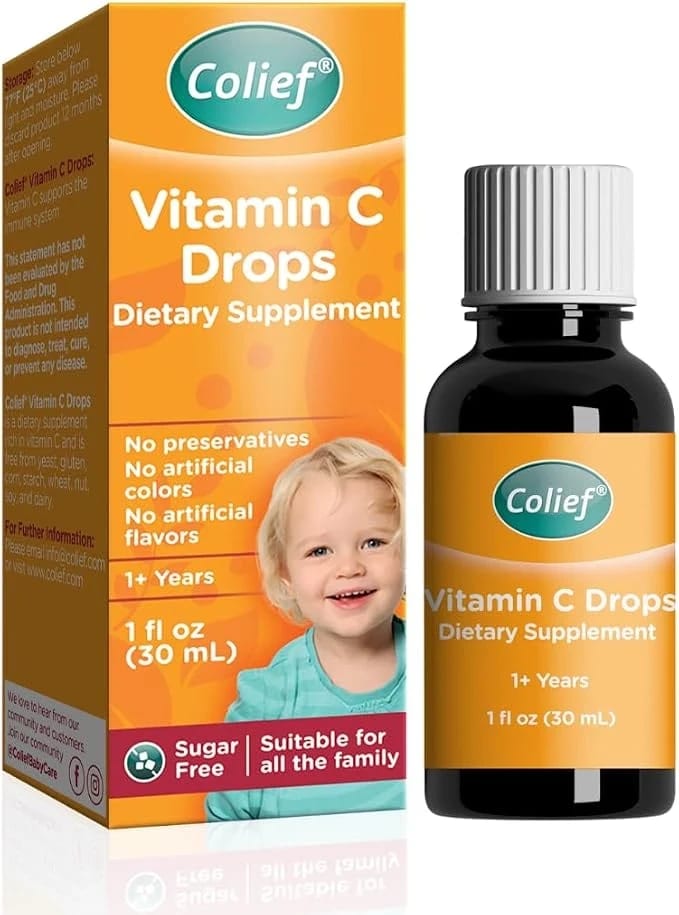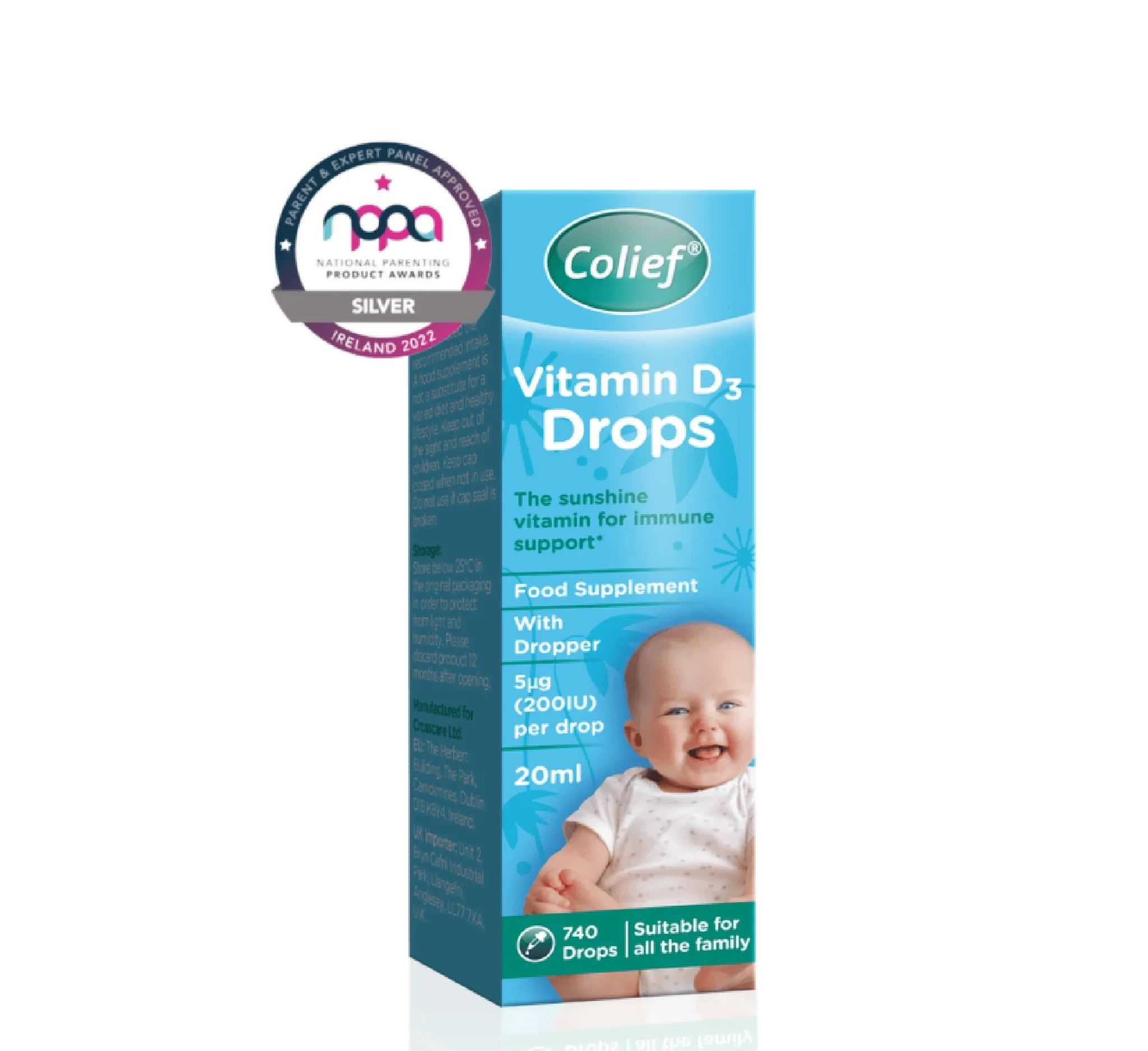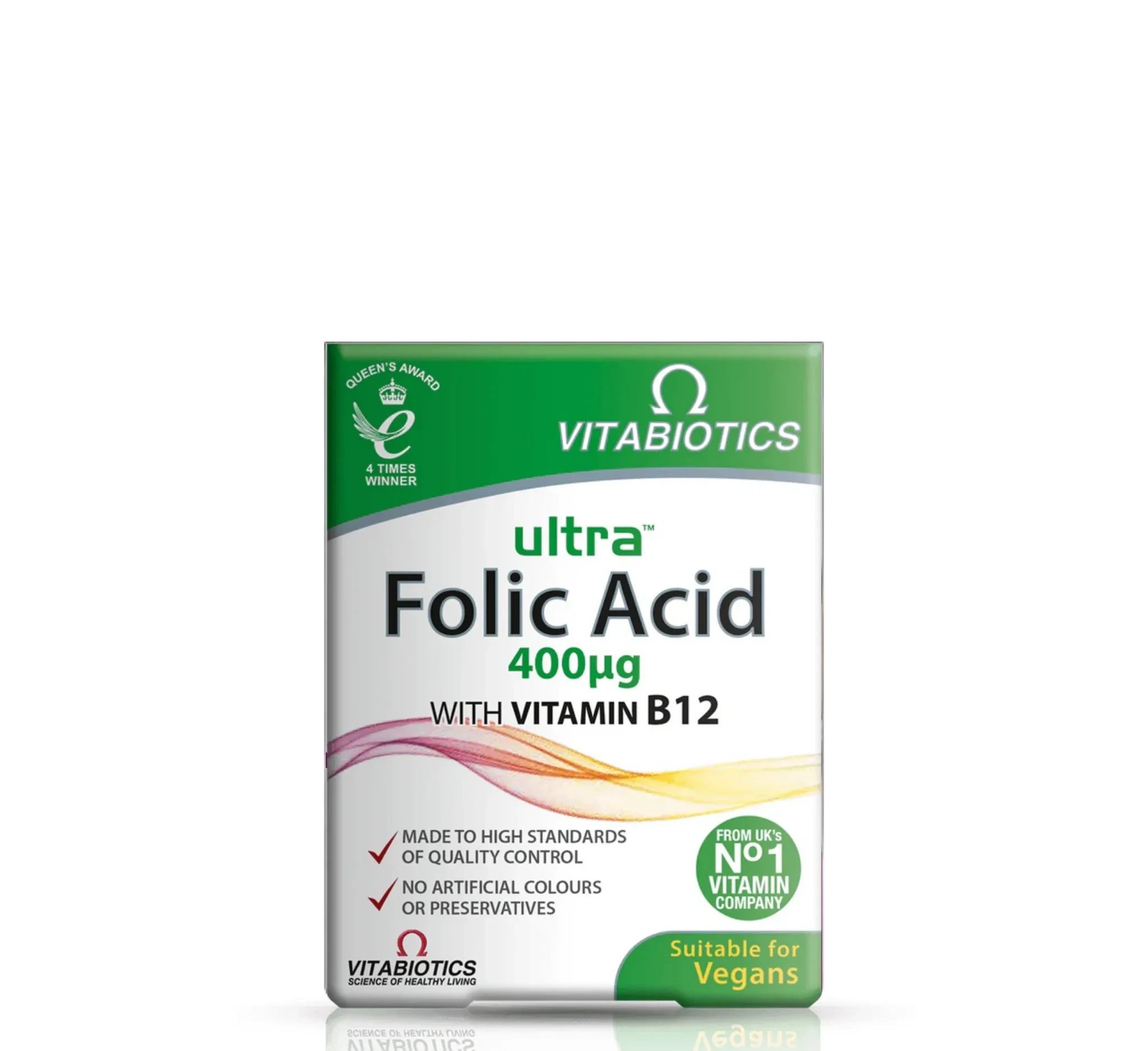
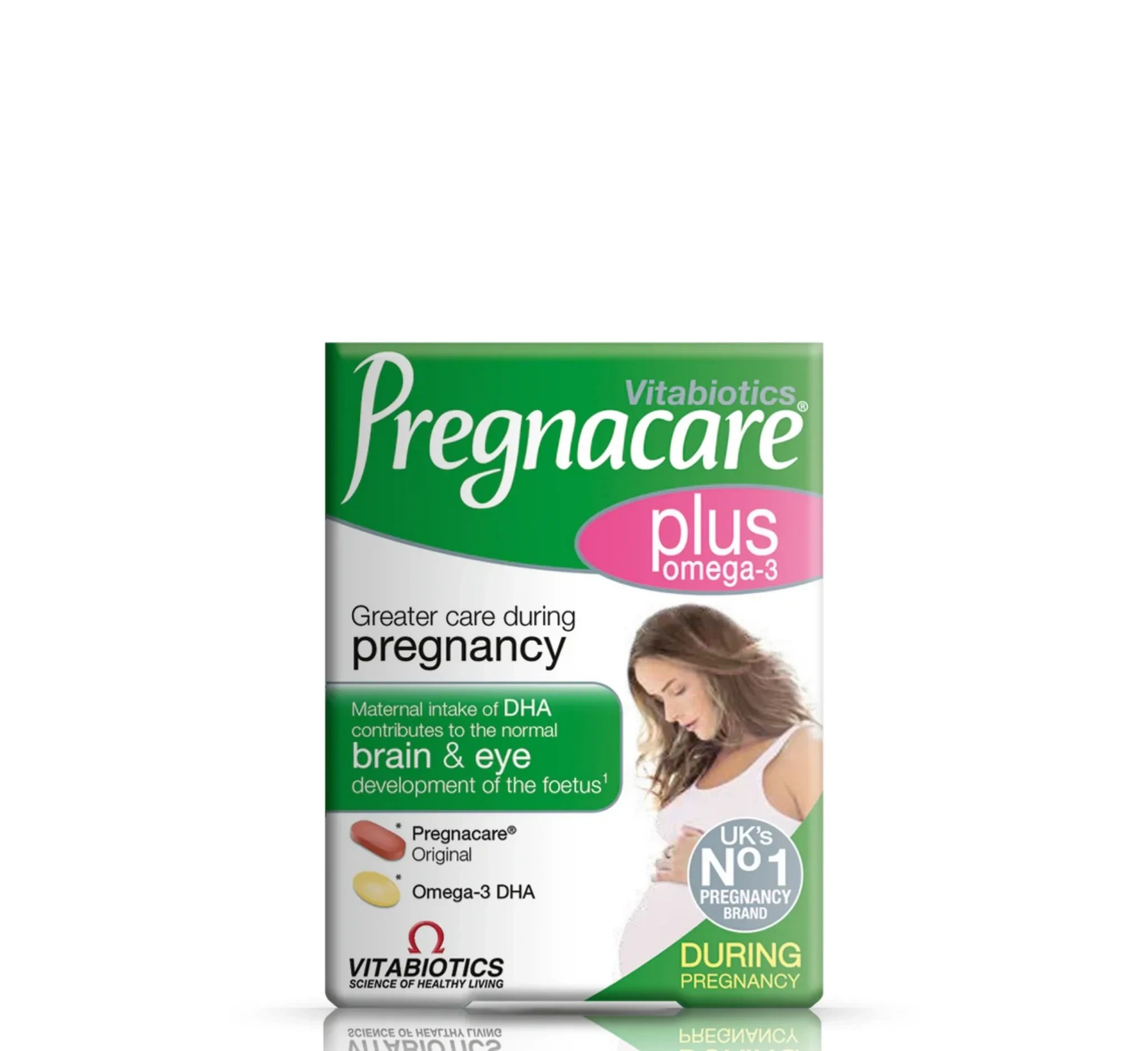
Vitabiotics

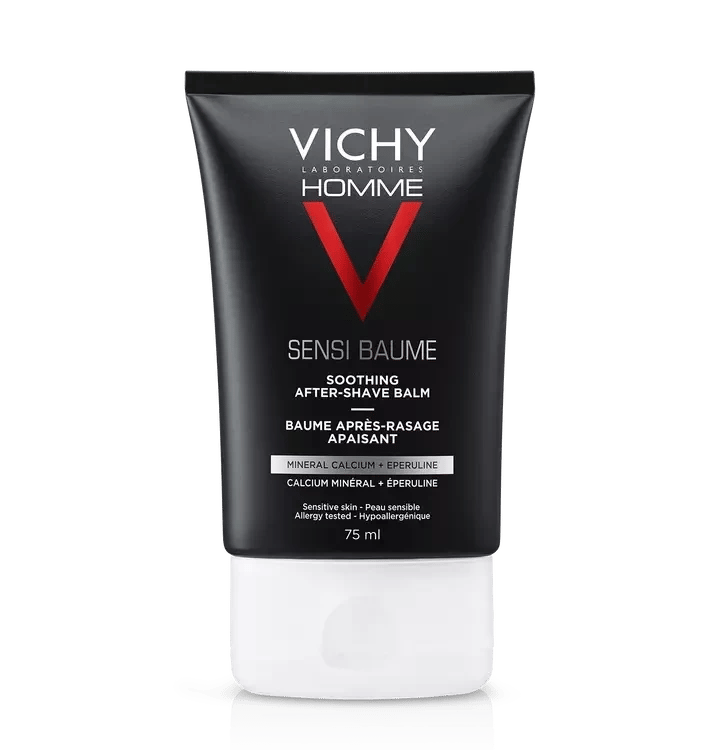
French dermocosmetics brand combining dermatological expertise with scientific innovation — part of our first edition.
Discover the brand →Goals
Products
Related searches
Related ingredients
D-mannose is a monosaccharide (a simple sugar) in the aldohexose family and a structural isomer of glucose, occurring naturally in some plants and also in the body as part of carbohydrate structures attached to proteins. In food supplements it is typically used as purified D-mannose supplied as a powder, capsules, or sachets, where it serves as a source of this specific sugar. Chemically it has the formula C6H12O6 and can exist in different ring forms in aqueous solution (e.g., mannopyranose). In cosmetics it may appear on the INCI list as MANNOSE and is used as a humectant, meaning a water-binding ingredient within the formula. You will see it in products such as creams, serums, or masks, usually at low percentages as part of a broader sugar-based moisturizing complex.
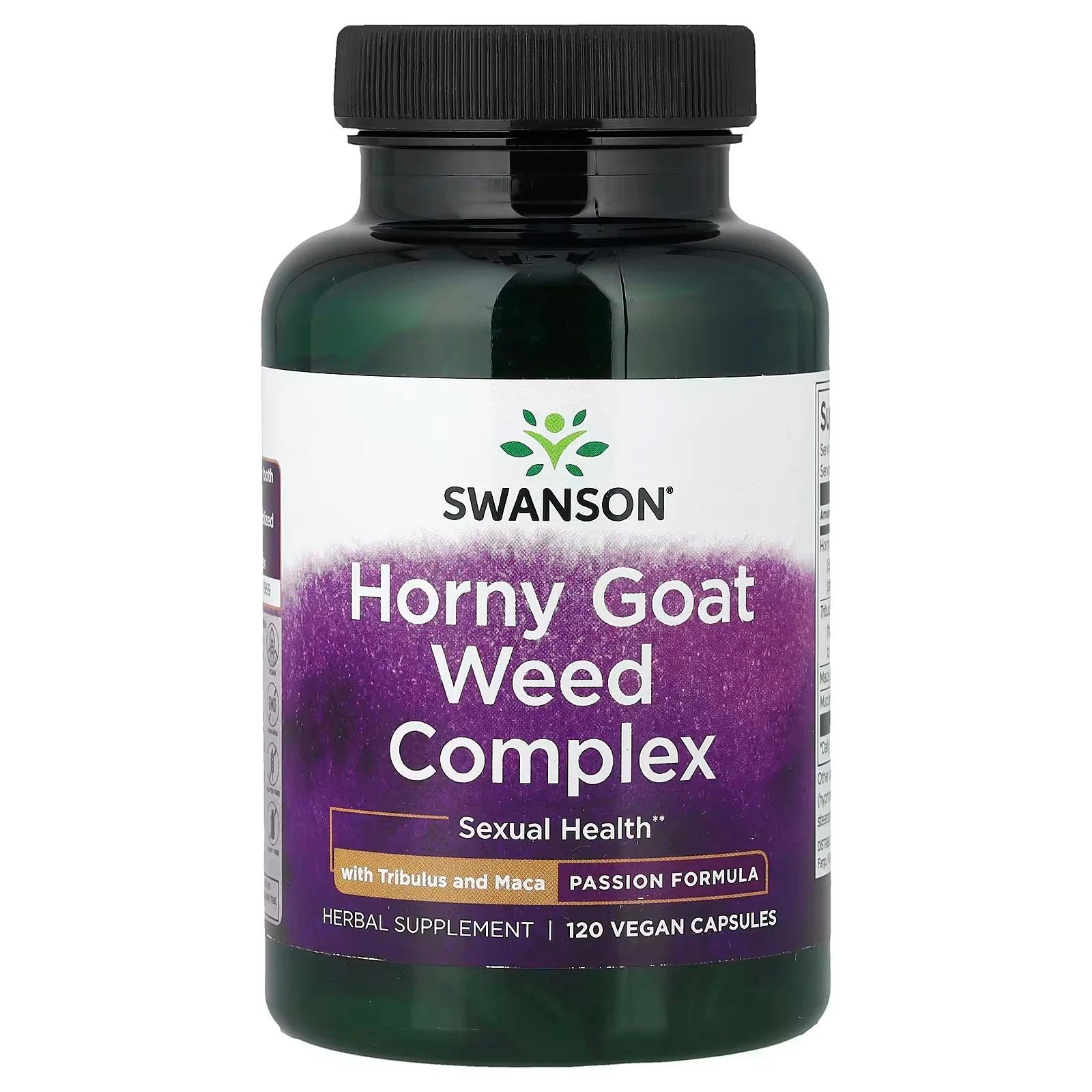
Horny goat weed refers to several species of the genus Epimedium (Berberidaceae) used as a botanical ingredient in food supplements and, less commonly, in cosmetics. In products it is typically present as powdered aerial parts or as a concentrated extract, often standardised to an icariin content (a marker flavonoid), for example 10% or 20%. Because composition varies by species and extraction method, labels may state “Epimedium spp.” or name a specific species such as Epimedium brevicornum, E. sagittatum, or E. grandiflorum. In supplements it is most often supplied in capsules or tablets as a dry extract, sometimes blended with other botanicals. In cosmetics it may appear as a leaf/stem extract under an INCI name, used in water- or hydroglycol-based formulations.
Vitamin K2 is the name for a group of vitamin K forms called menaquinones, sharing the same 2‑methyl‑1,4‑naphthoquinone core and differing by the length of their isoprenoid side chain. It occurs naturally in certain fermented foods and in animal-derived foods, and in the body some vitamin K can be converted into specific menaquinone forms. In supplements, vitamin K2 is most commonly provided as menaquinone‑7 (MK‑7) or menaquinone‑4 (MK‑4), typically dissolved in oil and filled into softgels, or deposited onto carriers such as microcrystalline cellulose for tablets and capsules. On labels it may appear as “menaquinone”, “MK‑7”, or “MK‑4”, with amounts usually declared in micrograms. In cosmetics, vitamin K and related derivatives may be used in low-percentage topical formulas, often in oil-soluble or encapsulated delivery systems. As a fat‑soluble vitamin, it is commonly formulated with lipid ingredients to support stability and dispersion within the product.
B vitamin that supports coenzyme A synthesis and mental performance.
Approved claims
Vitamin C
Approved claims
Antioxidant trace mineral; supports bones and connective tissue.
Approved claims
Fat-soluble vitamin; essential for blood clotting and bone health.
Approved claims
Macronutrient essential for building and maintaining muscle and bone mass.
Approved claims
The most abundant mineral in the body; essential for bones, teeth, and normal muscle function.
Approved claims
Antioxidant mineral; supports immunity and the health of hair and nails.
Approved claims