What dandelion is in supplements and cosmetics
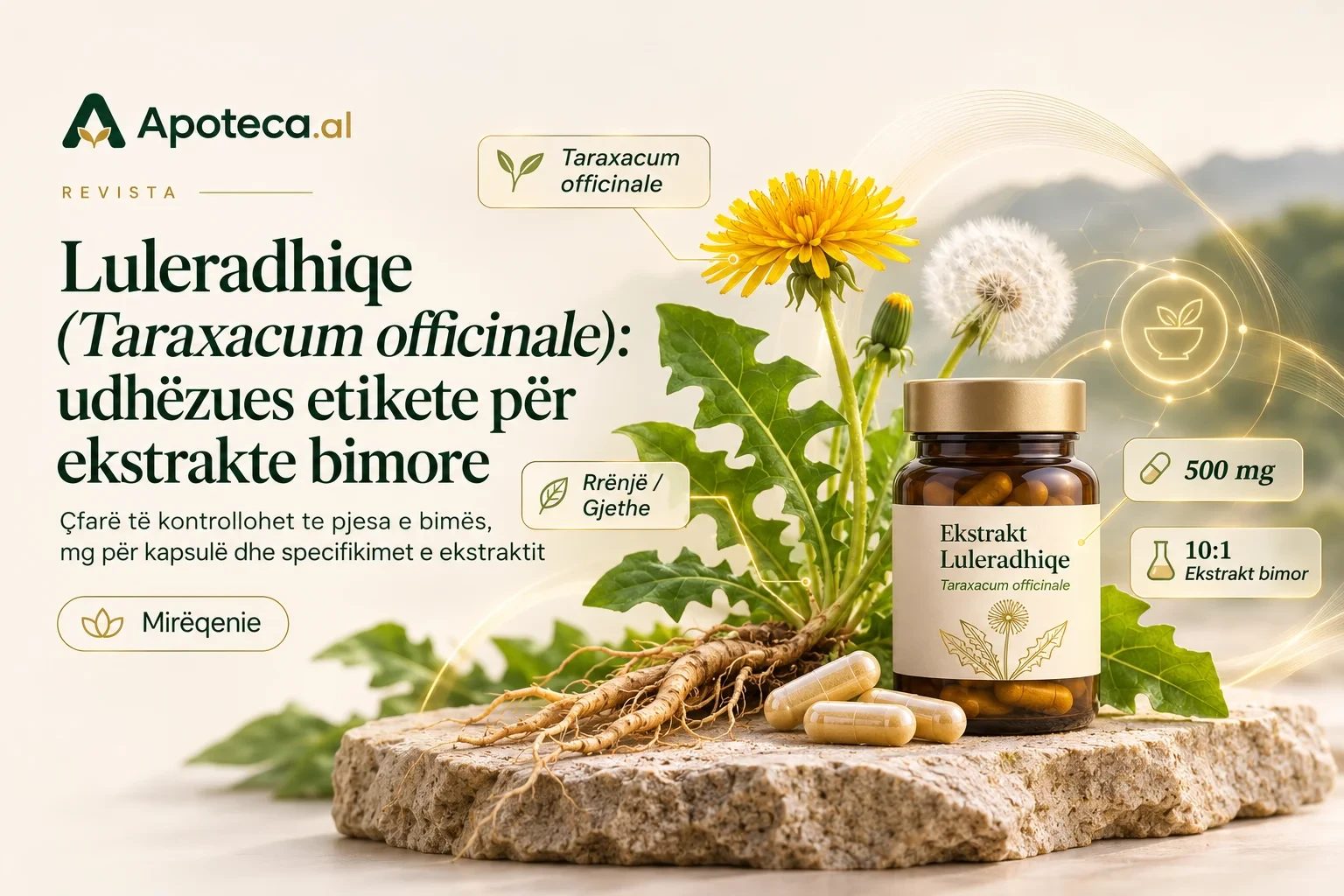
Dandelion (Taraxacum officinale) is a perennial herb in the Asteraceae/Compositae family. On labels, the Latin name is commonly used to confirm botanical identity, since common names can vary across regions.
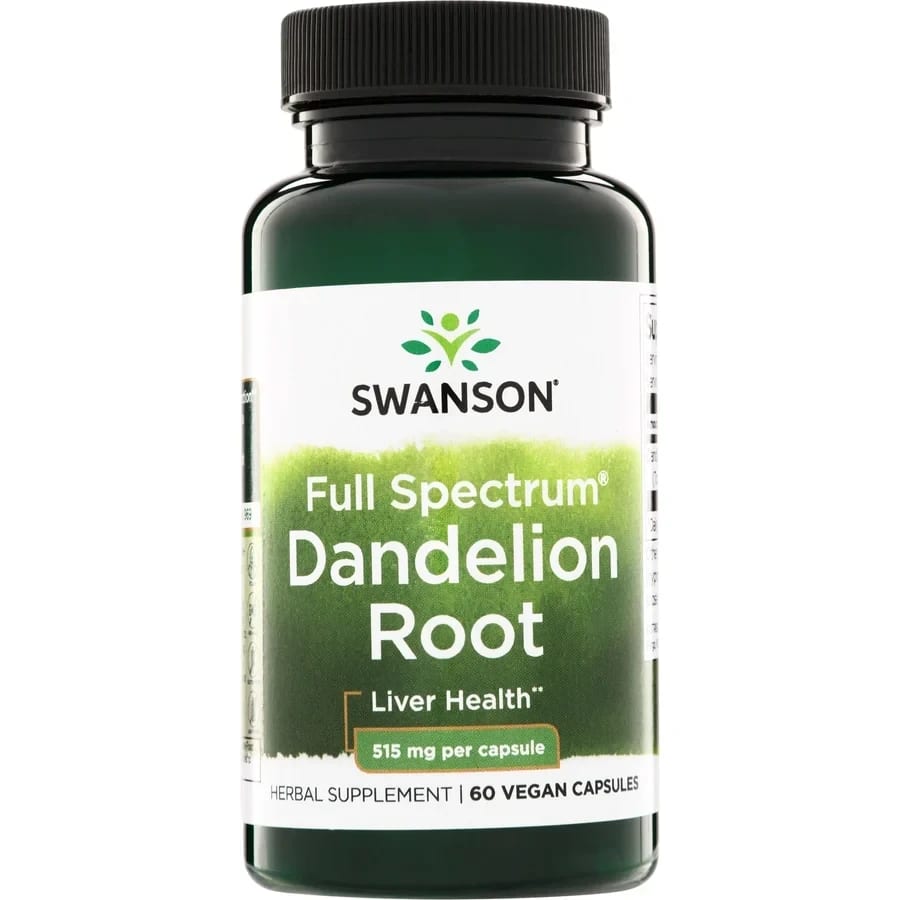
In supplements, dandelion most often appears as a botanical extract made from the root and/or leaves, and in the catalogue it sits under Herbal extracts. What an extract contains can differ depending on the plant part, the origin of the raw material, and whether the manufacturer declares any standardisation.
In cosmetics, dandelion may show up in the ingredient list under its INCI name, most commonly “Taraxacum Officinale Extract,” as well as more specific variants that indicate the plant part (for example, root or aerial parts). These names help clarify what was used in the formula, without automatically implying a particular concentration.
You may also see terms such as water-based, glycerin-based, or hydroalcoholic extract. These describe the extraction medium (water, glycerin, or a water–alcohol mix) rather than directly indicating “strength.”
As a botanical ingredient, dandelion contains a complex mix of plant constituents (including polyphenols and sesquiterpene lactones). This profile can vary from one extract to another, which is why two products that both say “dandelion” may not be directly comparable without checking the label details.
Forms in the catalogue: how dandelion extract capsules differ
In the catalogue, the available supplement form is Capsules. When the dosage form is the same, the most meaningful differences usually come from the type of extract and how it is described on the label.
In practice, dandelion extract capsules may differ by:
- Plant part: root, leaves, or a combination. This is one of the clearest comparison points because it directly states what the extract is made from.
- Extraction ratio (e.g., 10:1) or a dried-herb equivalent: these figures describe the raw material–to–extract relationship. They only become meaningful when read alongside the daily serving (how many capsules per day according to the label).
- Standardisation: some products declare an extract standardised to a specific constituent; others do not. When standardisation is not stated, comparing across brands relies more on mg amounts and extract specifications.
- Amount per capsule and capsules per pack: these details help you understand total supply and compare cost per serving.
A straightforward way to choose between two similar options is to decide first on the plant part (root vs leaves vs combination), then compare mg per capsule and the daily serving, and finally check whether the label provides an extraction ratio or standardisation.
Where dandelion appears in everyday food
Dandelion is widely known as an edible wild plant. Across European traditions and beyond, different parts have been used in culinary ways that can vary by region.
- Leaves may be eaten in salads or as cooked greens. The flavour is typically bitter, which naturally limits culinary quantities.
- Root may be dried and processed for various food preparations. This is not the same as a standardised extract in capsules, because the process and labelling parameters are different.
- Aerial parts (leaves/stems/flowers) and root differ in composition, which is one practical reason supplement labels often specify the plant part.
Food and supplements are not directly comparable. Extracts are concentrated preparations and are therefore labelled with details such as mg per capsule, an extraction ratio, or standardisation (when declared).
What to check on the label (practical checklist)
For dandelion capsules, labels can vary widely in how they describe the extract. A short, practical checklist makes comparisons more reliable.
Check these points on the label and the product page:
- Full botanical name: look for “Taraxacum officinale.” This reduces ambiguity across common names and related species.
- Plant part: root, leaves, or a combination. If choosing between two options, this is often the first practical filter.
- Amount: note mg per capsule, then the daily serving (how many capsules per serving/day as stated on the label). This is the only way to understand how much extract is intended per day.
- Extract specifications: when declared, look for an extraction ratio (X:1), a dried-herb equivalent, and/or standardisation. These details clarify what “extract” means in that specific product.
- Ingredient list and warnings: as a member of the Asteraceae/Compositae family, dandelion may be associated with sensitivity or allergic reactions in susceptible individuals. Labels may also mention possible medicine interactions and guidance to discontinue use if irritation occurs.
A clear way to choose between options is to: (1) decide on the plant part, (2) compare the daily serving in mg, and (3) favour labels that provide extract specifications (ratio/equivalent/standardisation) when greater transparency is preferred.
How it is typically used (with the label as the authority)
In supplements, dandelion is typically used orally in capsule form. The exact directions (how many capsules and when) should come only from the label and the product page.
- If the label provides a daily serving, it should be used as the reference point. Exceeding the manufacturer’s directions is not recommended.
- If other products from the Herbal extracts category are used at the same time, it is sensible to read ingredient lists and warnings carefully to avoid unnecessary overlap.
In cosmetics, when it appears as “Taraxacum Officinale Extract,” use follows the product’s own directions (for example, serum, cream, toner, scalp-care products). If irritation occurs, discontinue use.
On safety:
- As a member of the Asteraceae/Compositae family, dandelion may be associated with skin sensitisation or allergic reactions in susceptible individuals.
- It may interact with certain medicines (e.g., diuretics, anticoagulants, or other therapies), so consulting a doctor before use is important.
- Pregnancy, breastfeeding and children should consult a doctor before use.
For questions about ingredients, daily serving, and label reading, the Apoteca team can help; for health-related questions, the appropriate reference remains a doctor.
Tradition and research: questions worth asking
According to the EMA/HMPC assessment report for Taraxacum officinale folium (2008), traditional oral preparations for “Taraxaci folium” are framed around the leaf as the herbal substance (folium), and HMPC documents address the root separately.
Schütz et al. (2005) reported a lab study using HPLC/ESI-MS that analysed phenolic acids and flavonoids in juice prepared from Taraxacum officinale root and “herb” (aerial parts), characterising dozens of detected compounds.
According to the EMA page for “Taraxaci radix cum herba” (published 11/03/2011), there is an HMPC community herbal monograph and an assessment report for Taraxacum officinale Weber ex Wigg., radix cum herba, alongside later consultation history (for example, a call for scientific data dated 15/02/2019–15/05/2019).
According to the European Commission’s EU Register of Health Claims (about page), the register lists authorised and non-authorised health claims under Regulation (EC) No 1924/2006; this page does not report any specific authorised claim for Taraxacum officinale.
According to the EMA/HMPC assessment report for Taraxacum officinale folium (2008), the document notes a theoretical concern for people on lithium therapy when using herbal preparations with diuretic action (e.g., dandelion), presenting it as a potential medicine-interaction issue.
According to ESCOP (herb–drug interaction table updated 04/02/2026), dandelion (Taraxaci radix) is included in a professional compilation of potential herb–drug interactions based on ESCOP monographs.