What is Ashwagandha?
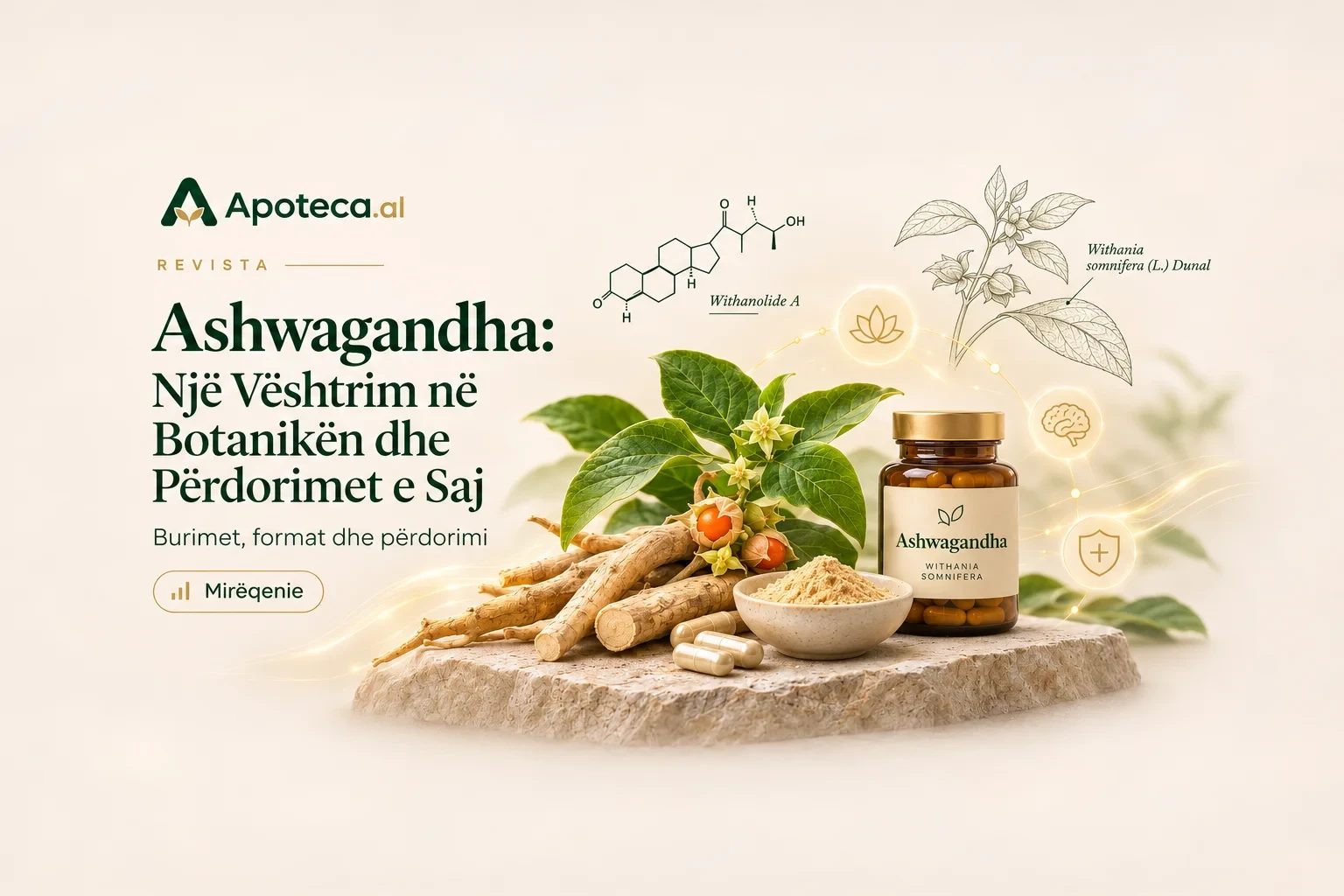
Ashwagandha is the common name for Withania somnifera, a shrub belonging to the Solanaceae family. This plant is also known as "winter cherry" in English. In supplements, the most commonly used part is the dried root, which can be found as a powder or a concentrated extract. Extracts are often standardised for their withanolide content, chemical compounds found in the plant. Beyond supplements, ashwagandha is also used in cosmetics as a botanical root extract, typically dissolved in glycerin, water, or carrier oils.
Sources of Ashwagandha
Ashwagandha primarily grows in the dry regions of India but can also be found in parts of Africa and the Middle East. The root of the plant is the main component used in supplement preparation. To ensure quality, it is important that ashwagandha is cultivated under controlled conditions, minimizing the use of pesticides and other chemicals.
Choosing Ashwagandha
When choosing an ashwagandha supplement, it is important to check the label for withanolide content, as this can affect the concentration of the extract. Additionally, look for information about the extraction ratio, such as 5:1, which indicates how many times the extract is concentrated compared to the raw root. The form of the supplement, whether capsule, tablet, powder, or liquid extract, should be chosen based on personal preference and the manufacturer's instructions.
Usage of Ashwagandha
The use of ashwagandha should be based on the instructions provided on the product label and the advice of a pharmacist. Ashwagandha supplements are typically taken in capsule or tablet form, but can also be found as a powder for mixing or a liquid extract. It is important not to exceed the recommended dose and to consult a doctor if you are taking other medications, especially those acting on the central nervous system or affecting thyroid function.