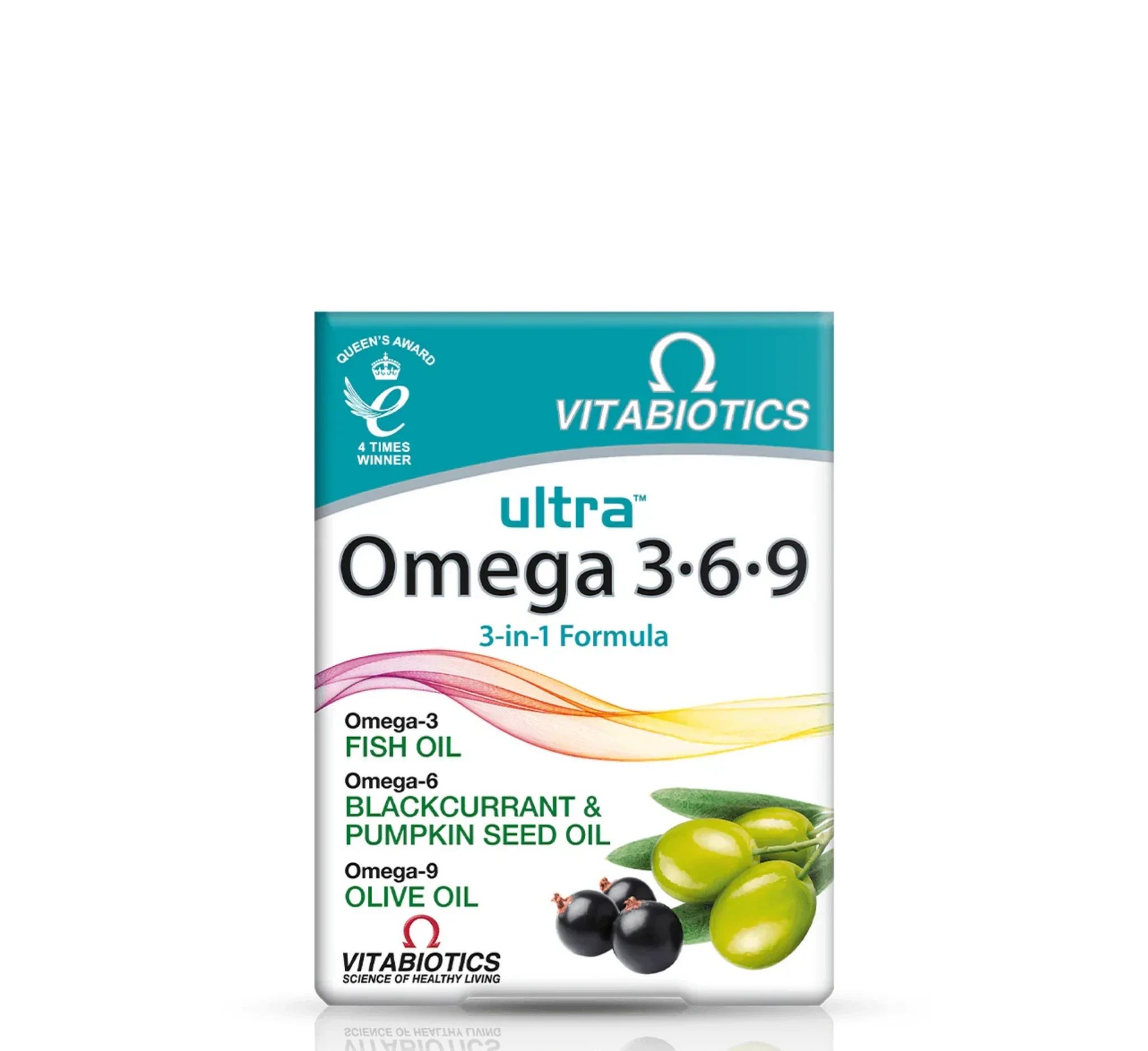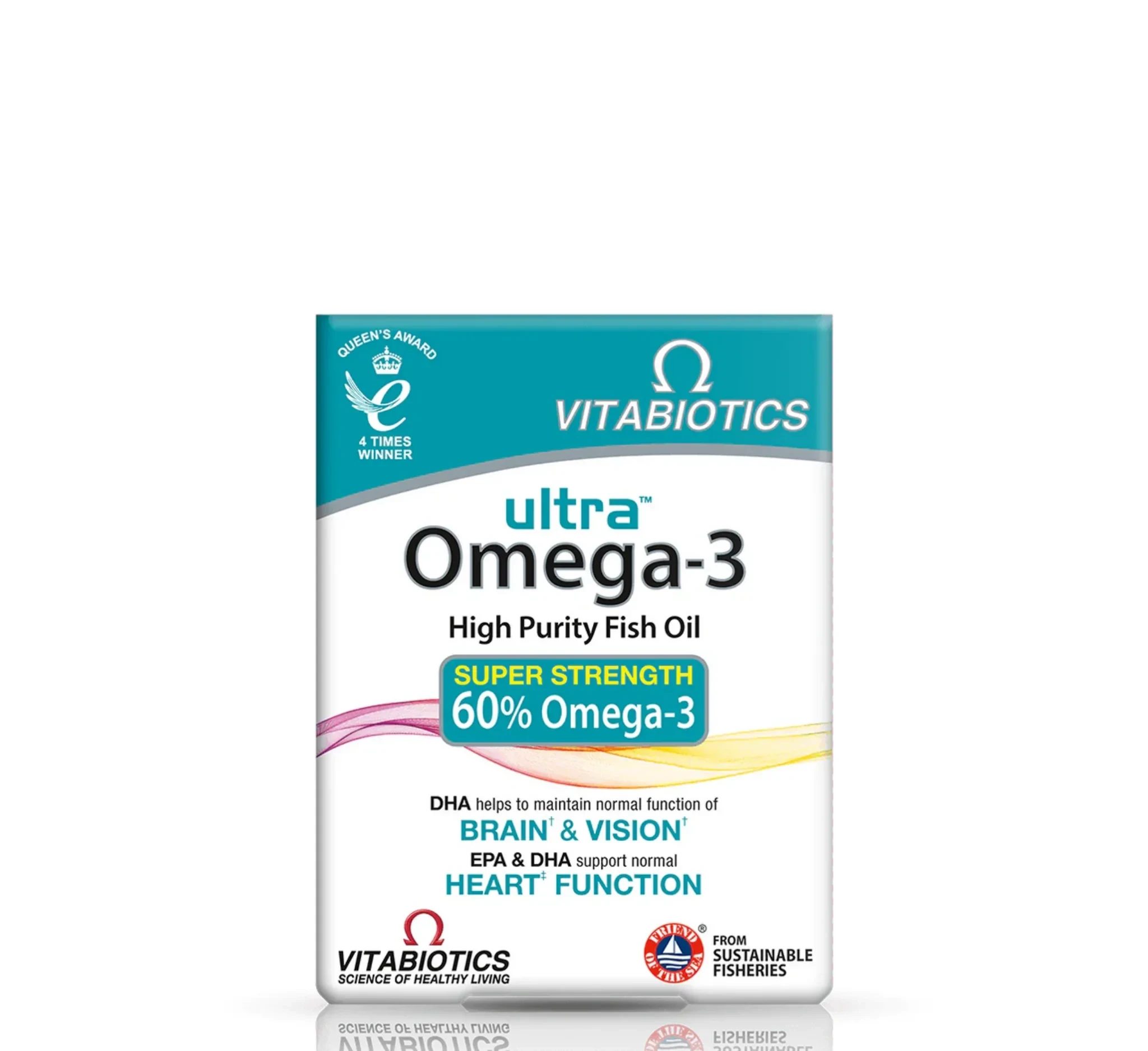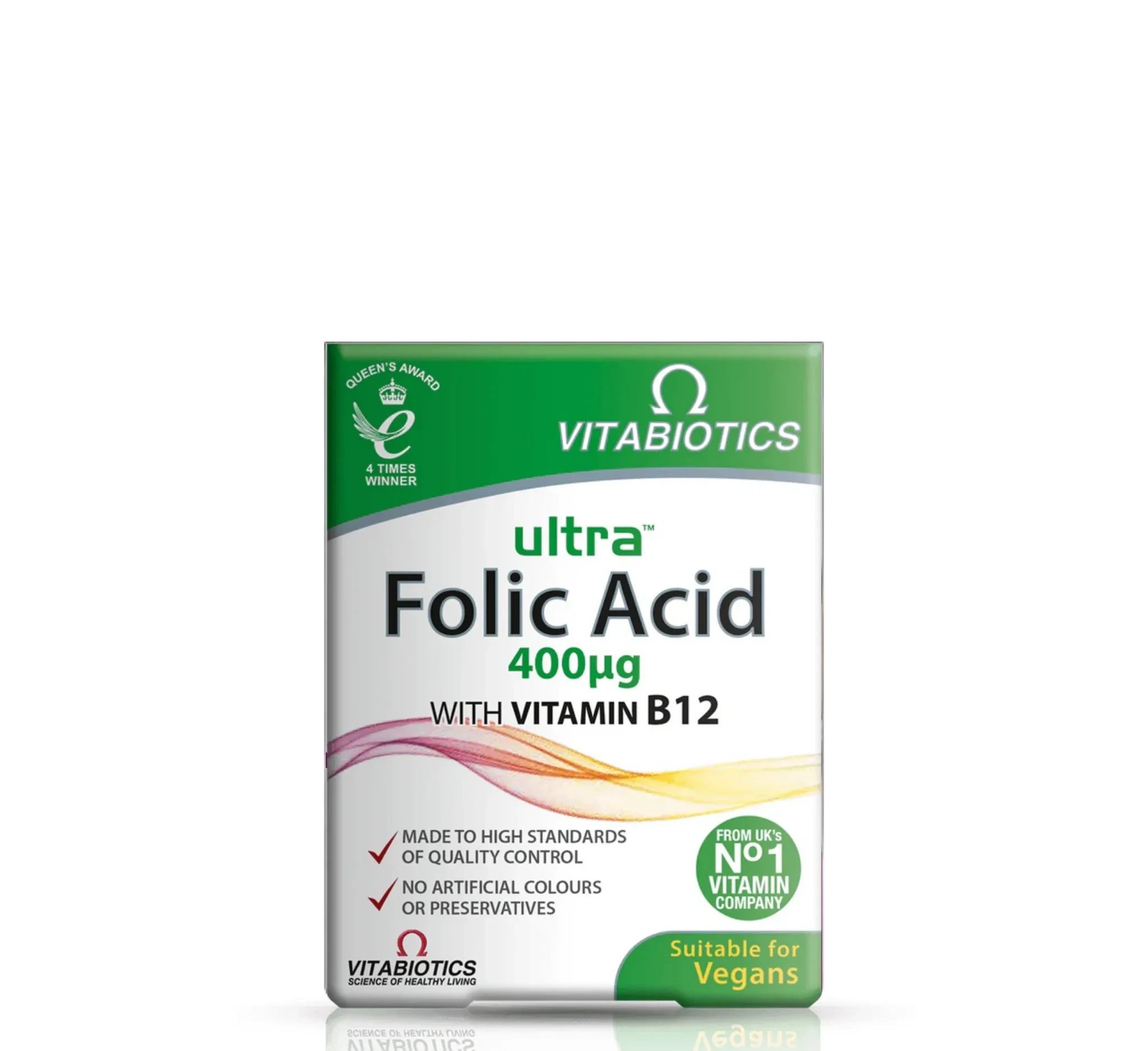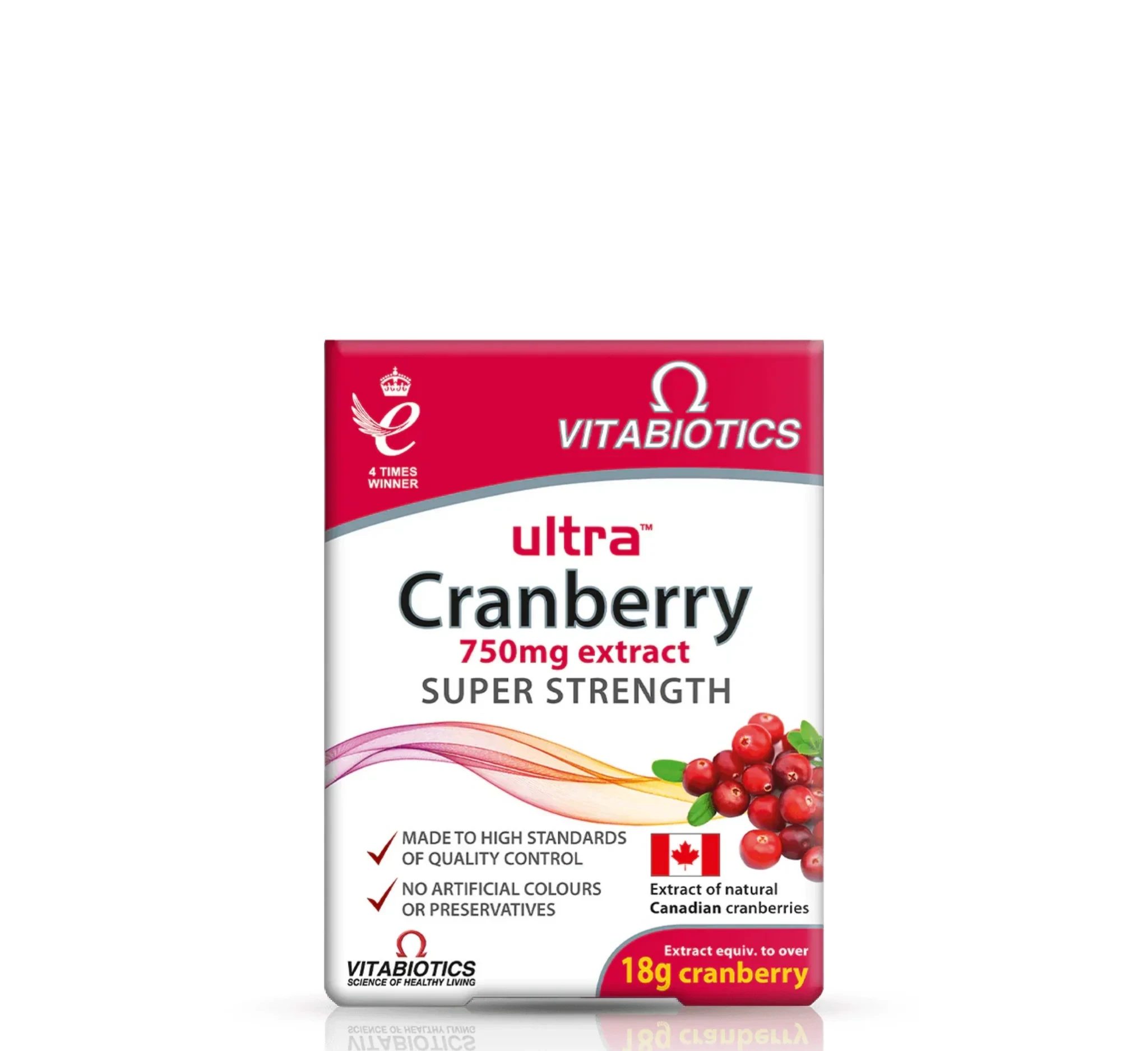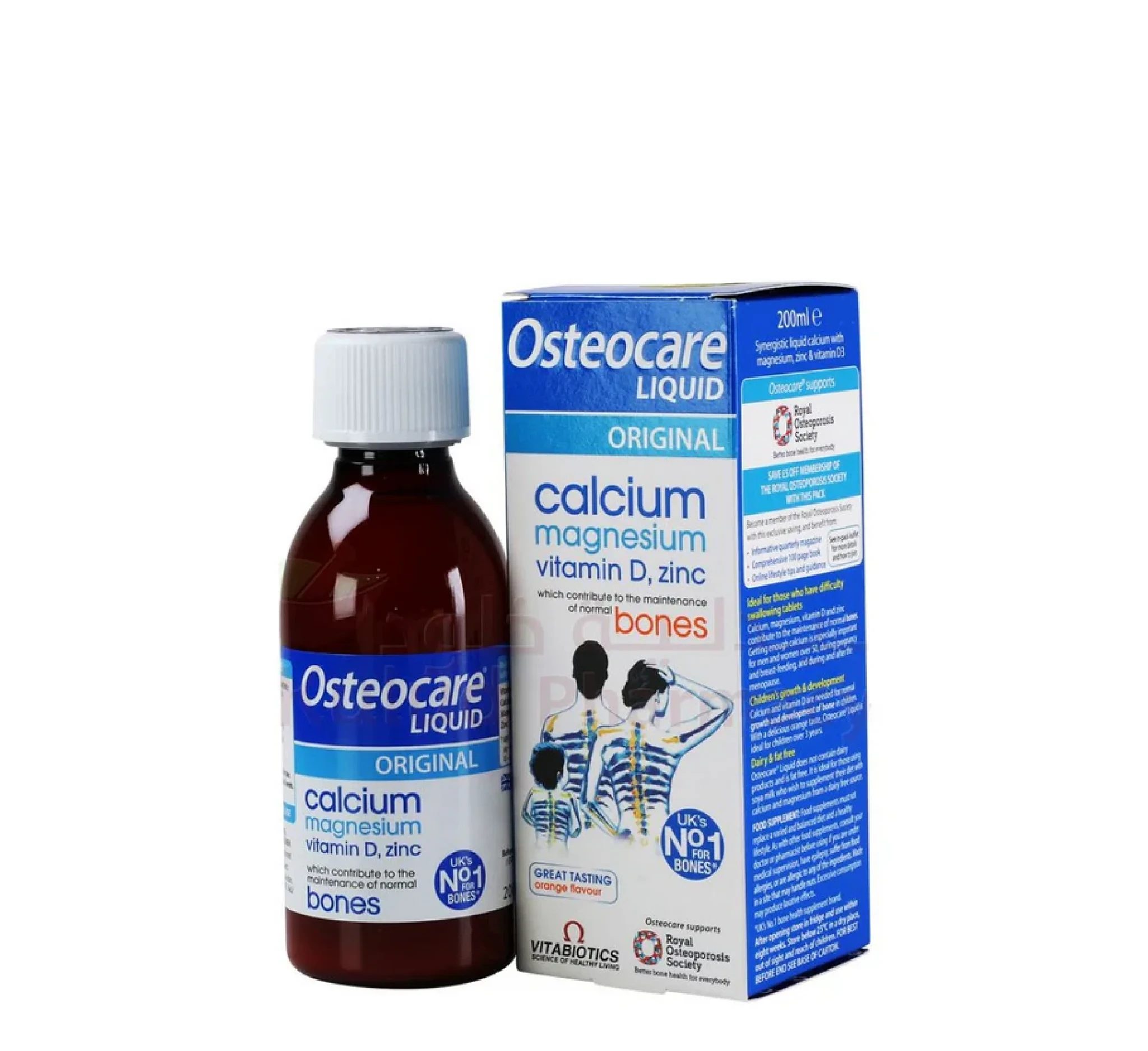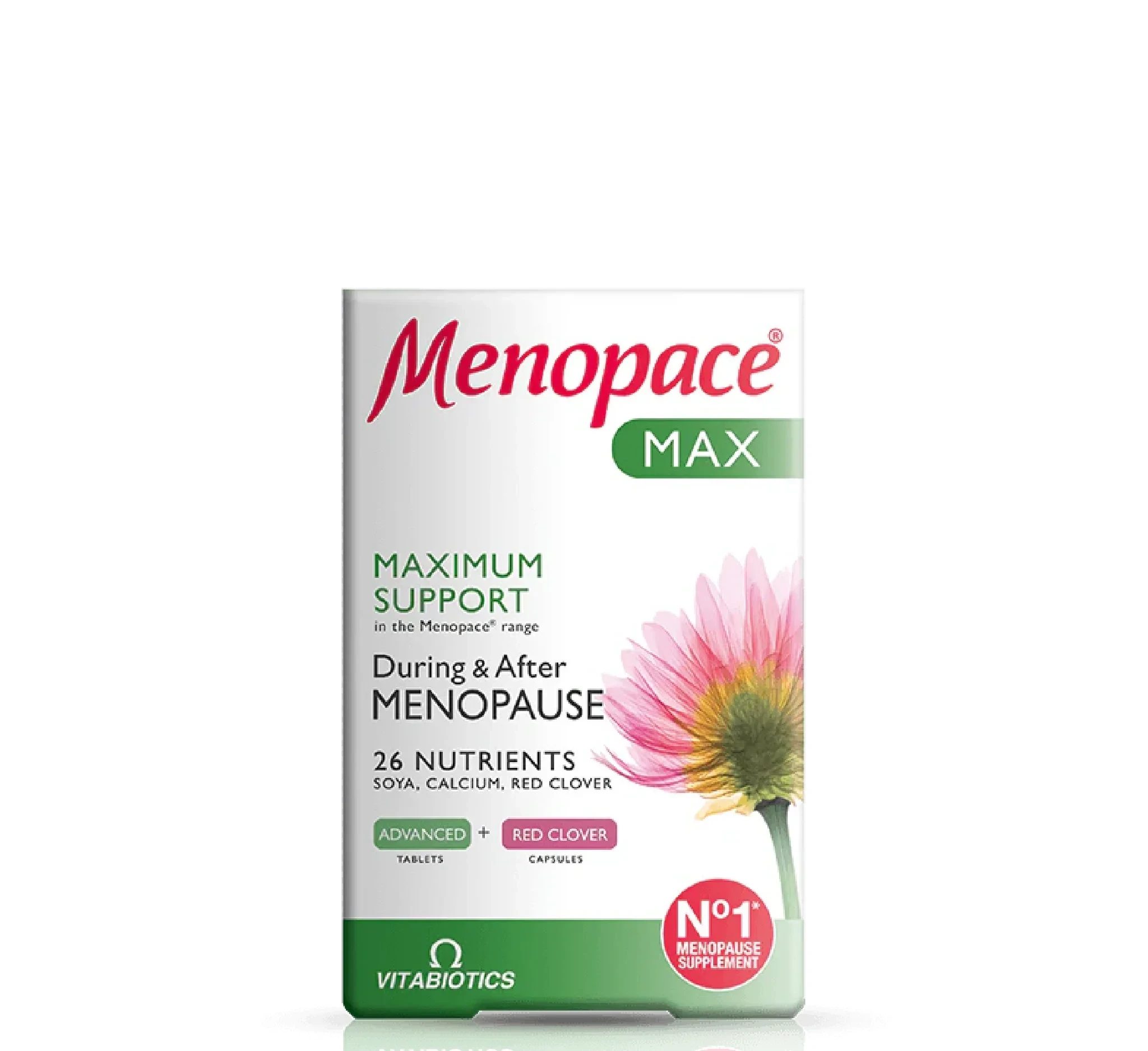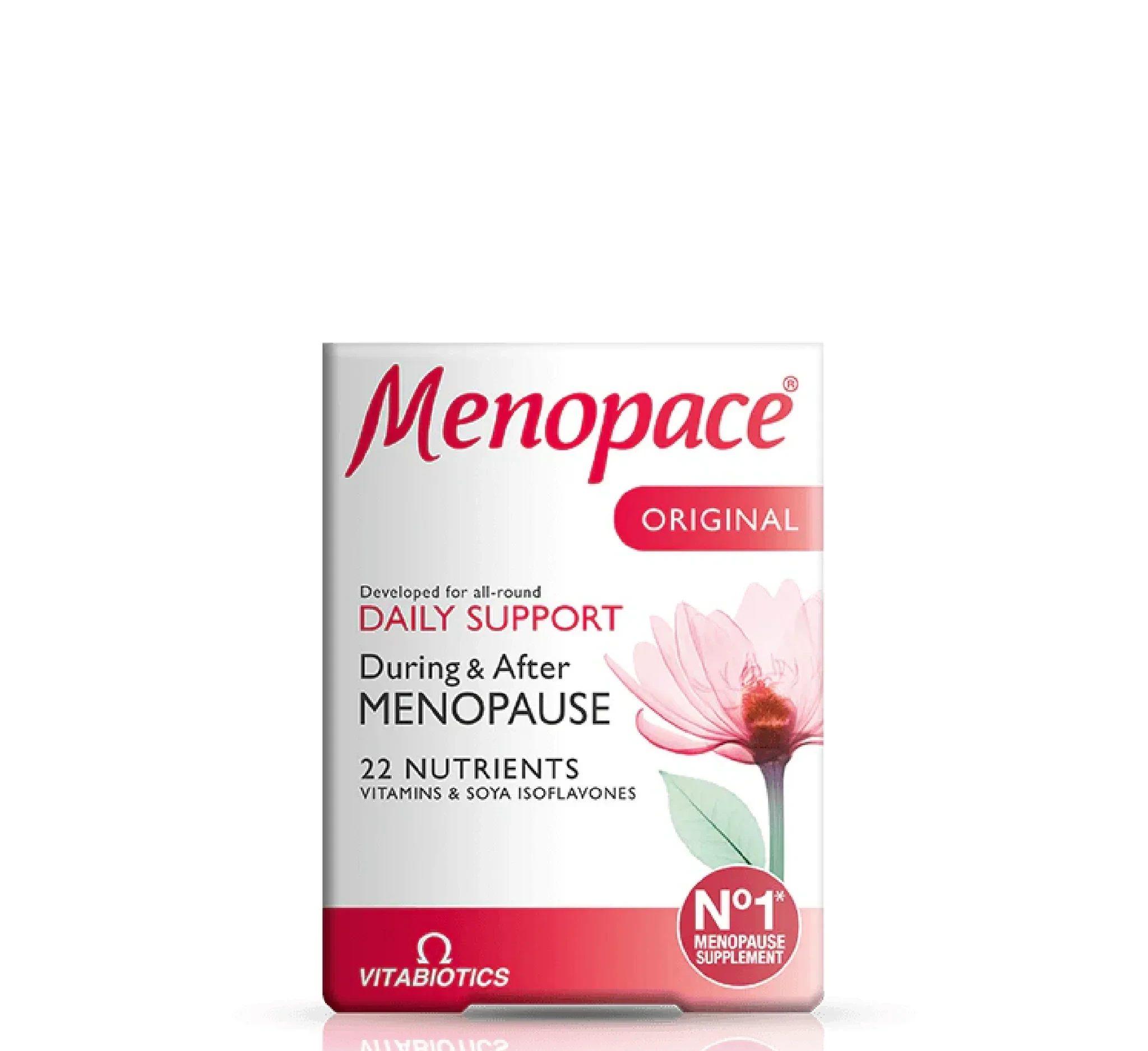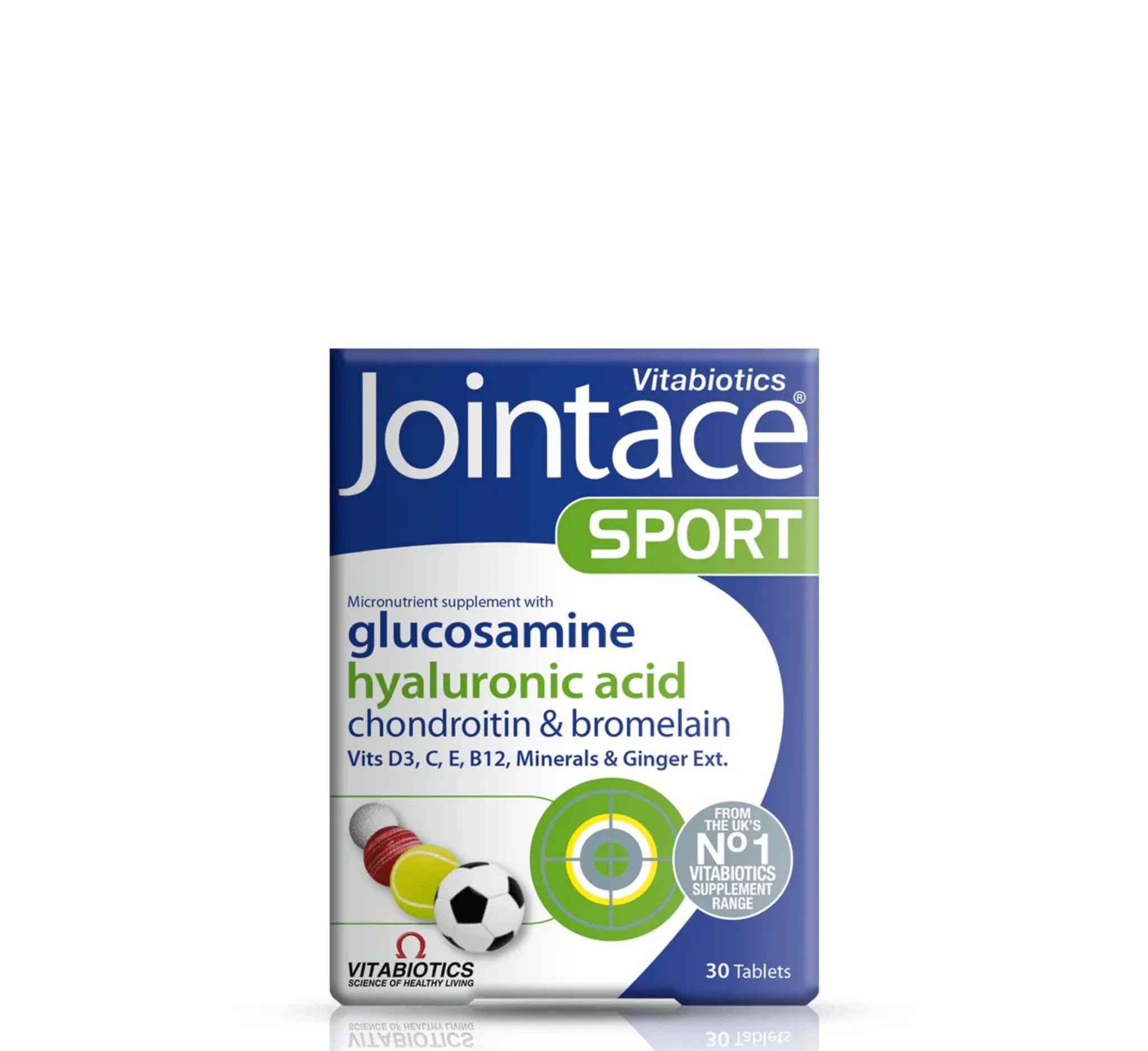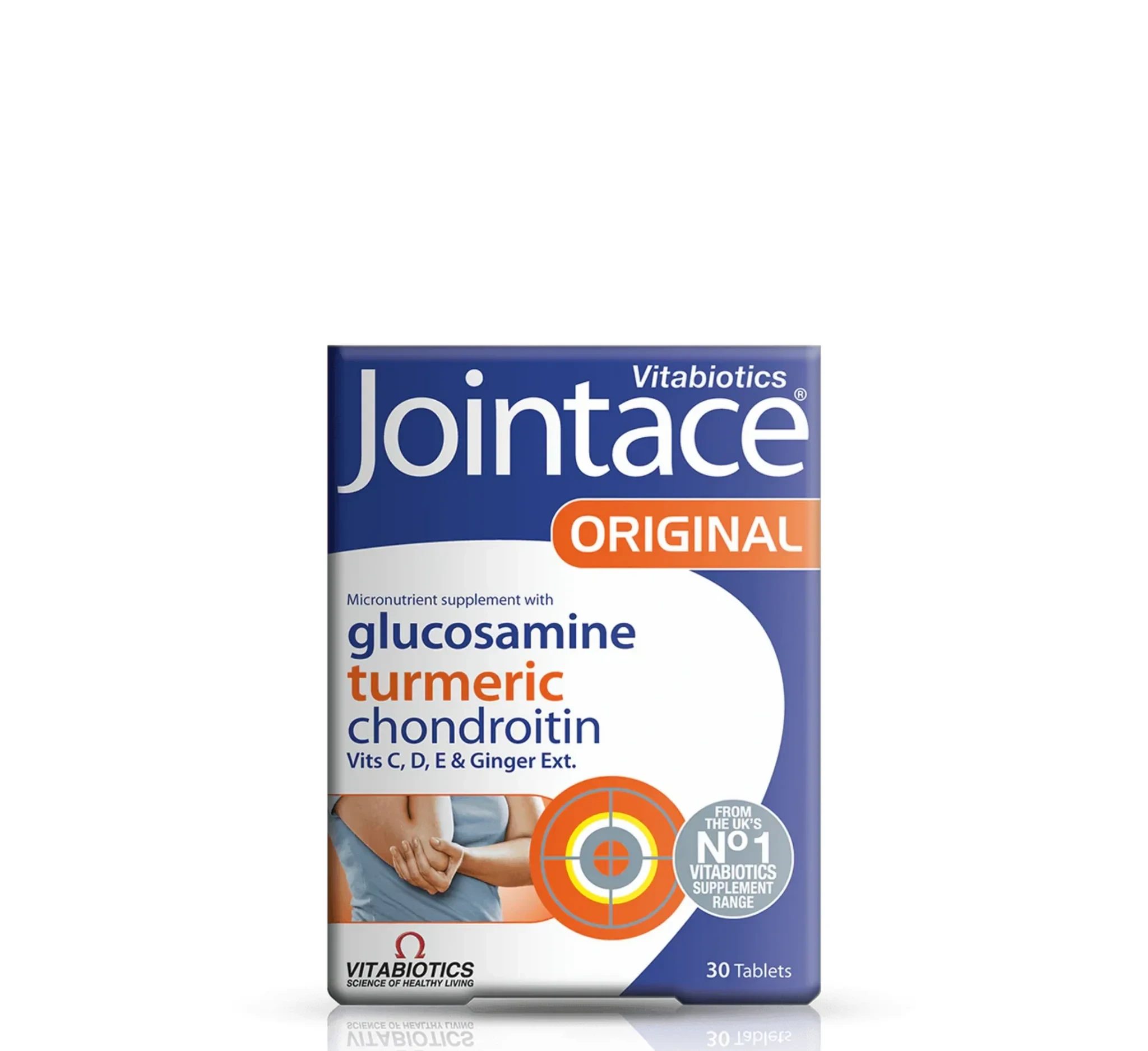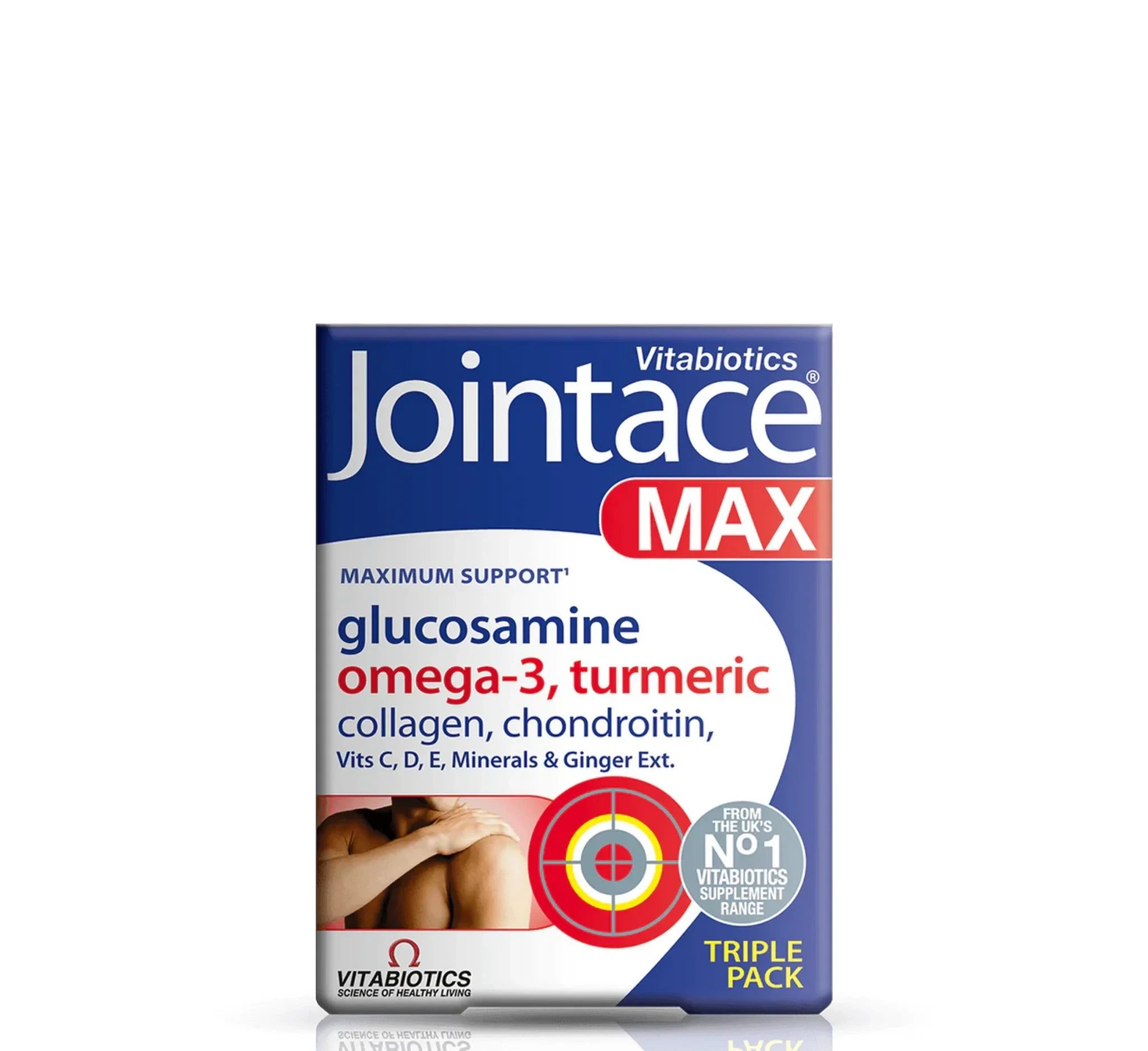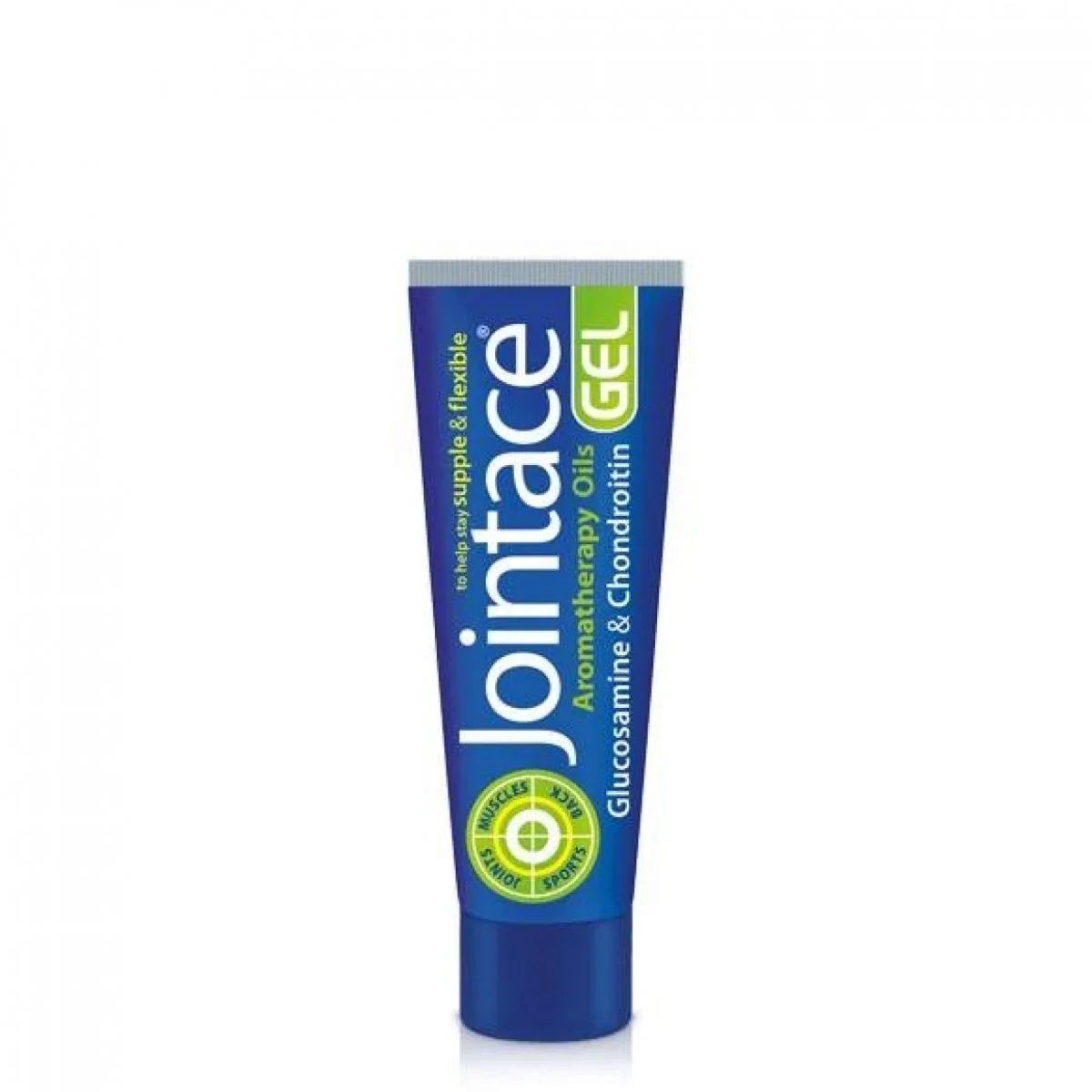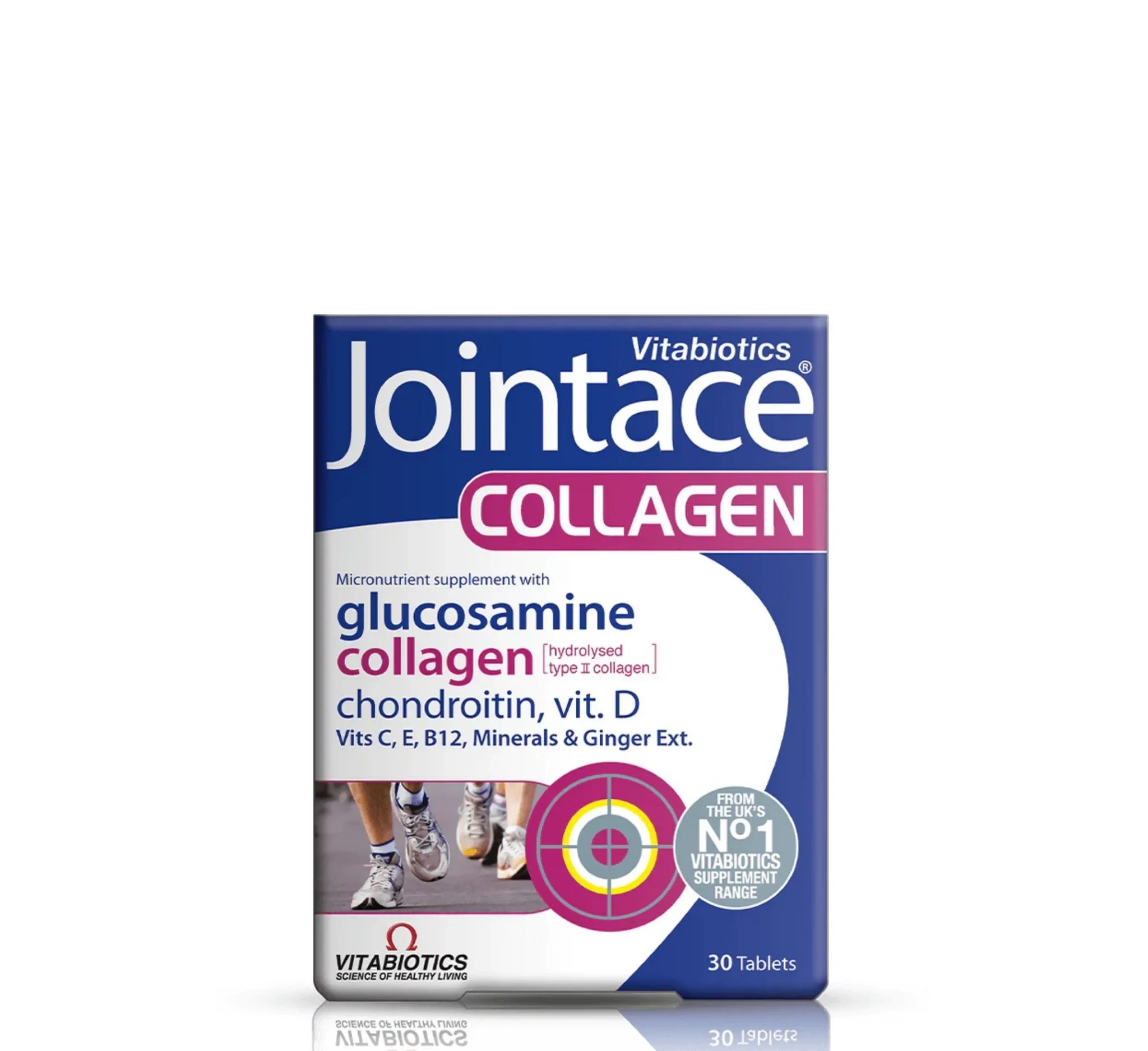
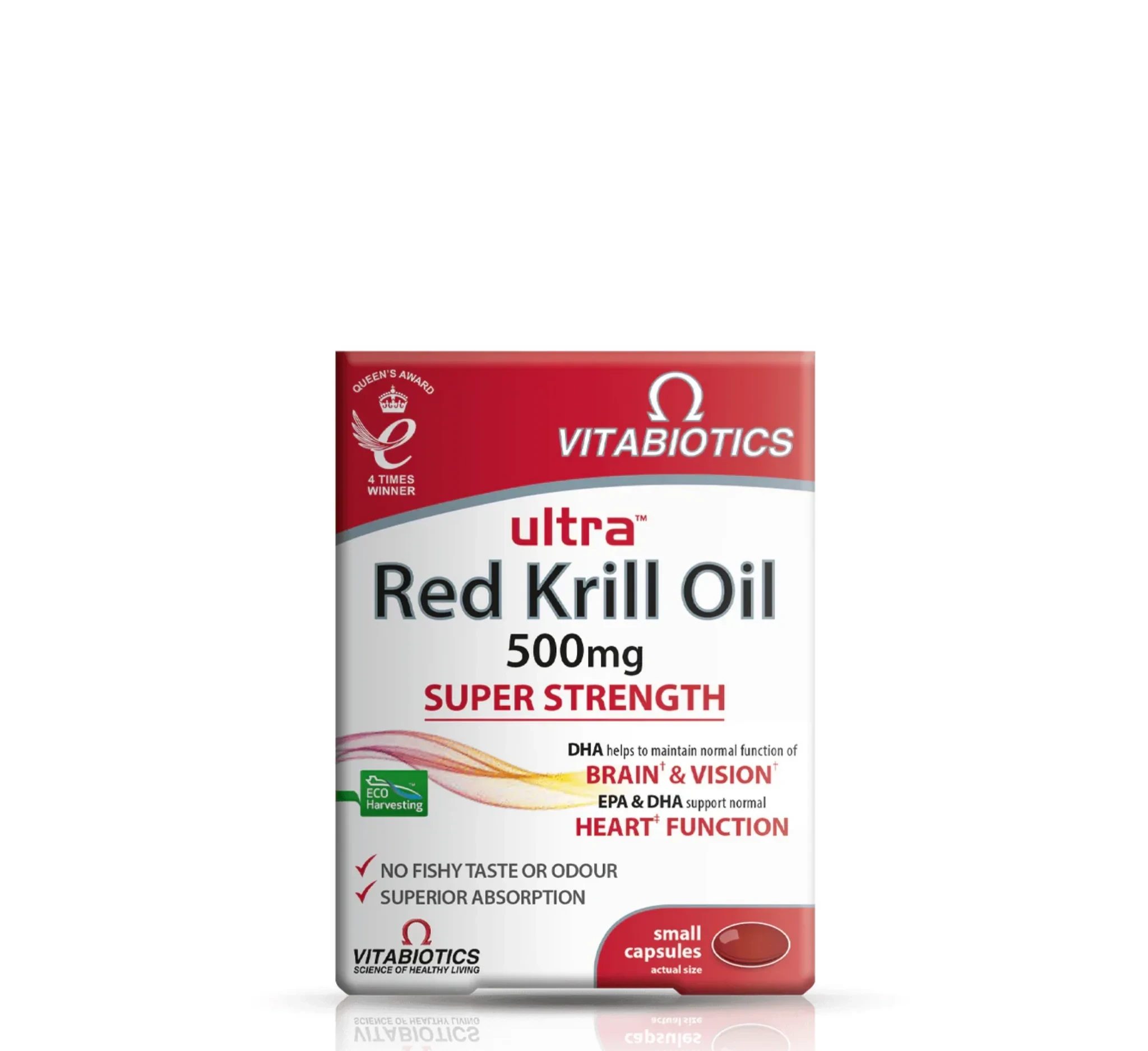
Vitabiotics

French dermocosmetics brand combining dermatological expertise with scientific innovation — part of our first edition.
Discover the brand →Products
Related searches
Related ingredients
Approved claims
Bifidobacterium refers to a genus of Gram‑positive, anaerobic bacteria that naturally occur in the human and mammalian gastrointestinal tract. In food supplements it is typically present as live cultures identified at species level and often at strain level, shown on labels with a Latin name plus a strain code or number. Because many bifidobacteria are sensitive to oxygen and moisture, common presentations are capsules or powders using protective technologies (e.g., protective matrices or microencapsulation) and the amount is usually expressed as CFU. In cosmetics, the genus name is most often encountered through fermentation-derived materials, such as Bifida Ferment Lysate or related ferment filtrates, which are not necessarily live microorganisms. These fermented materials are used in water-based formulas such as serums and creams as soluble biotech ingredients. In practice, “Bifidobacterium” on an ingredient list may indicate either an oral probiotic culture or a topical ferment derivative, so the exact meaning depends on the form stated on the label.
Vitamin C
Approved claims
Fat-soluble vitamin; essential for blood clotting and bone health.
Approved claims
Lactobacillus is a genus of lactic acid bacteria (LAB) naturally present in fermented foods and in the human microbiota. In food supplements it is typically used as a probiotic culture identified precisely by genus, species and often a strain code, while the amount is commonly expressed as CFU (colony-forming units). In recent years, many species formerly labelled as “Lactobacillus” have been reclassified into new genera (e.g., Lactiplantibacillus, Lacticaseibacillus, Limosilactobacillus), so both legacy and updated names may appear on labels for the same organisms. In products, these cultures are supplied as freeze-dried powders in capsules, sachets or tablets, often combined with prebiotics or additional bacterial strains. In cosmetics, “Lactobacillus” may also appear as part of ferments or ferment filtrates (INCI), where the material is not necessarily a live culture. Because “Lactobacillus” is a broad genus-level term, the exact nature of the ingredient depends on the declared species and strain on the label.
Fat-soluble vitamin; essential for vision, immunity, and skin.
Approved claims
Vitamin K2 is the name for a group of vitamin K forms called menaquinones, sharing the same 2‑methyl‑1,4‑naphthoquinone core and differing by the length of their isoprenoid side chain. It occurs naturally in certain fermented foods and in animal-derived foods, and in the body some vitamin K can be converted into specific menaquinone forms. In supplements, vitamin K2 is most commonly provided as menaquinone‑7 (MK‑7) or menaquinone‑4 (MK‑4), typically dissolved in oil and filled into softgels, or deposited onto carriers such as microcrystalline cellulose for tablets and capsules. On labels it may appear as “menaquinone”, “MK‑7”, or “MK‑4”, with amounts usually declared in micrograms. In cosmetics, vitamin K and related derivatives may be used in low-percentage topical formulas, often in oil-soluble or encapsulated delivery systems. As a fat‑soluble vitamin, it is commonly formulated with lipid ingredients to support stability and dispersion within the product.
Approved claims
Vitamin D3 (cholecalciferol) is a fat-soluble vitamin naturally present in the body and in some animal-derived foods. In dietary supplements, it is commonly used as cholecalciferol, dissolved in oil and measured in micrograms (µg) or international units (IU), in soft capsules, drops, or tablets. The raw material can come from lanolin (sheep wool fat) or from vegan sources through fermentation and subsequent processing. In cosmetic formulations, it may appear as an ingredient in small amounts, usually listed on the label with the INCI name "Cholecalciferol." As a substance, it is a derivative of sterols with a lipophilic structure, often combined with oil carriers for stability and distribution. In products, the designation "D3" is used to distinguish it from vitamin D2 (ergocalciferol), which is another form of vitamin D.
Approved claims
Cranberry is the fruit of Vaccinium macrocarpon (Ericaceae), a tart red berry used as a food and as a raw material for supplements. In products it appears as dried fruit powder, juice concentrate, or fruit extract, often standardised for polyphenols, especially proanthocyanidins (PACs), with A‑type PACs frequently highlighted. Its natural composition also includes anthocyanins, flavonols and organic acids, while the levels of these constituents vary with cultivar and processing. Cranberry is most commonly presented in capsules, tablets, drink powders and liquid formats; in cosmetics it may be used as a fruit extract or as a plant-derived aromatic component in formulations.