Sources of Creatine
Creatine is a compound naturally found in the human body, primarily in muscles. It is also present in certain foods, particularly red meat and fish. For those following a vegetarian or vegan diet, dietary sources of creatine are limited, so they might consider supplements to meet their needs.
- Red meat: The primary dietary source of creatine.
- Fish: Especially fish like salmon and tuna.
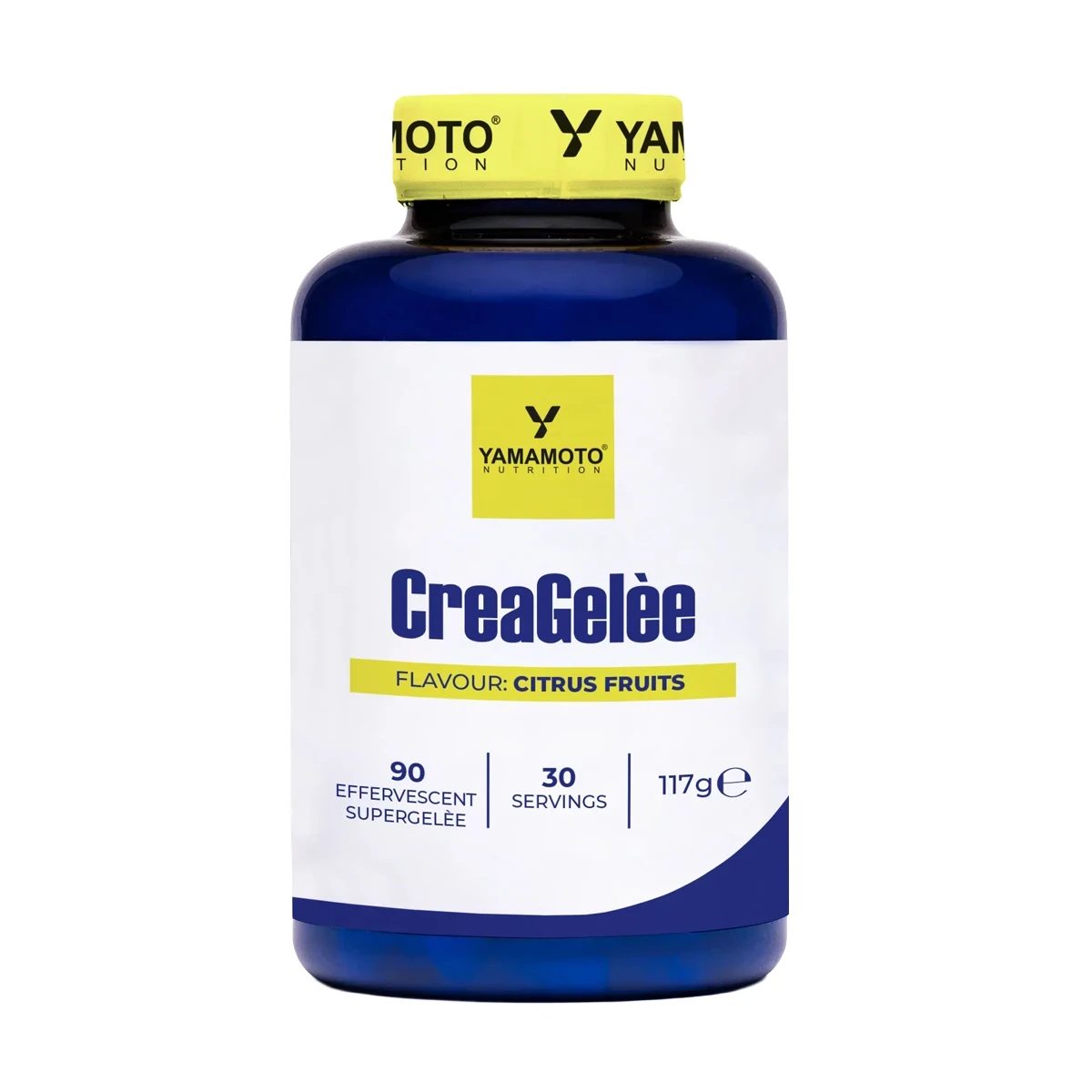
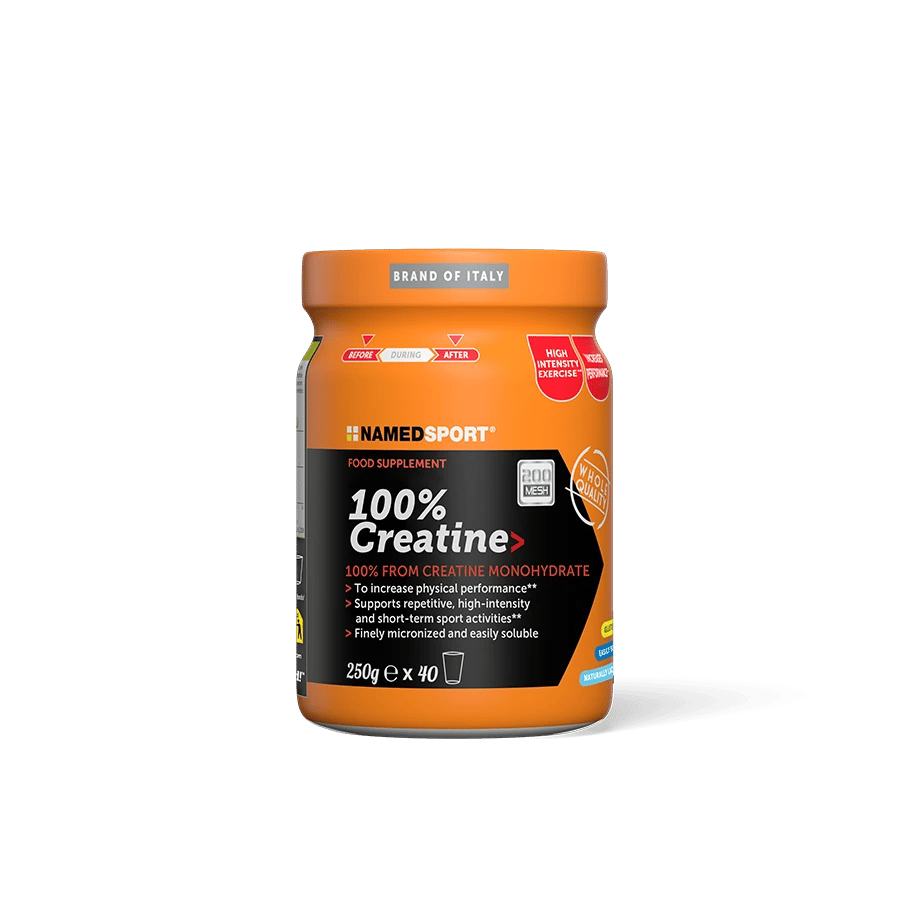
- Supplements: An alternative for those with specific dietary needs.
Choosing the Right Form of Creatine
When choosing a creatine supplement, it's important to understand the different types available. Creatine monohydrate is the most common and extensively studied form. It is known for its purity and effectiveness. There are also other forms like creatine ethyl ester and creatine hydrochloride, which offer different benefits.
- Creatine Monohydrate: The most common and well-studied form.
- Creatine Ethyl Ester: An alternative that may have faster absorption.
- Creatine Hydrochloride: A form that may offer better solubility.
Usage Guidelines for Creatine
The use of creatine typically involves a loading phase and a maintenance phase. During the loading phase, individuals may take a higher dose for several days, followed by a lower dose for maintenance. It is important to follow the product label instructions and consult a pharmacist for personalized advice.
- Loading Phase: Usually involves a higher dose for several days.
- Maintenance Phase: A lower dose for ongoing use.
- Consultation: Always follow label instructions and consult a professional.