What is Creatine?
Creatine is a substance naturally found in the human body, primarily in skeletal muscles. It plays a crucial role in energy production during high-intensity physical activities. On a molecular level, creatine is a derivative of amino acids and is involved in the regeneration of adenosine triphosphate (ATP), the primary energy source for muscle cells.
In the body, creatine is primarily synthesized in the liver, kidneys, and pancreas, and then transported to muscles where it is stored as creatine phosphate. Besides endogenous production, it can also be obtained from external sources such as diet or supplements.
Sources of Creatine
Creatine is naturally found in certain foods, primarily in meat and fish products. The richest sources include red meat, poultry, and salmon. While a diet rich in these foods can contribute to the body's creatine levels, the amount obtained from food is often insufficient for those looking to increase their stores for specific purposes such as physical performance.
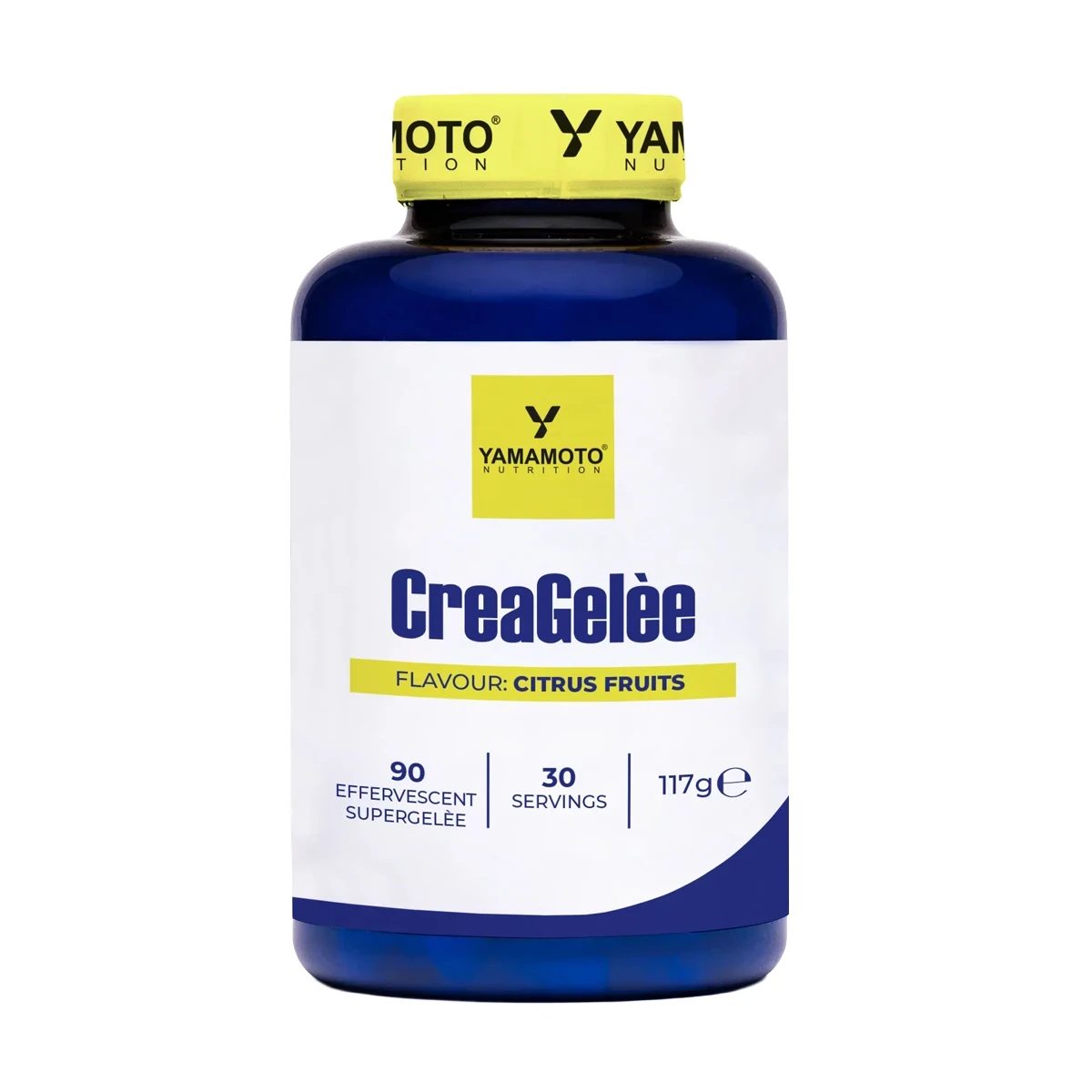
For this reason, many individuals choose to use creatine supplements, which are available in various forms such as powders, capsules, and tablets. These supplements provide a convenient way to increase creatine intake in a controlled manner.
Choosing the Right Creatine
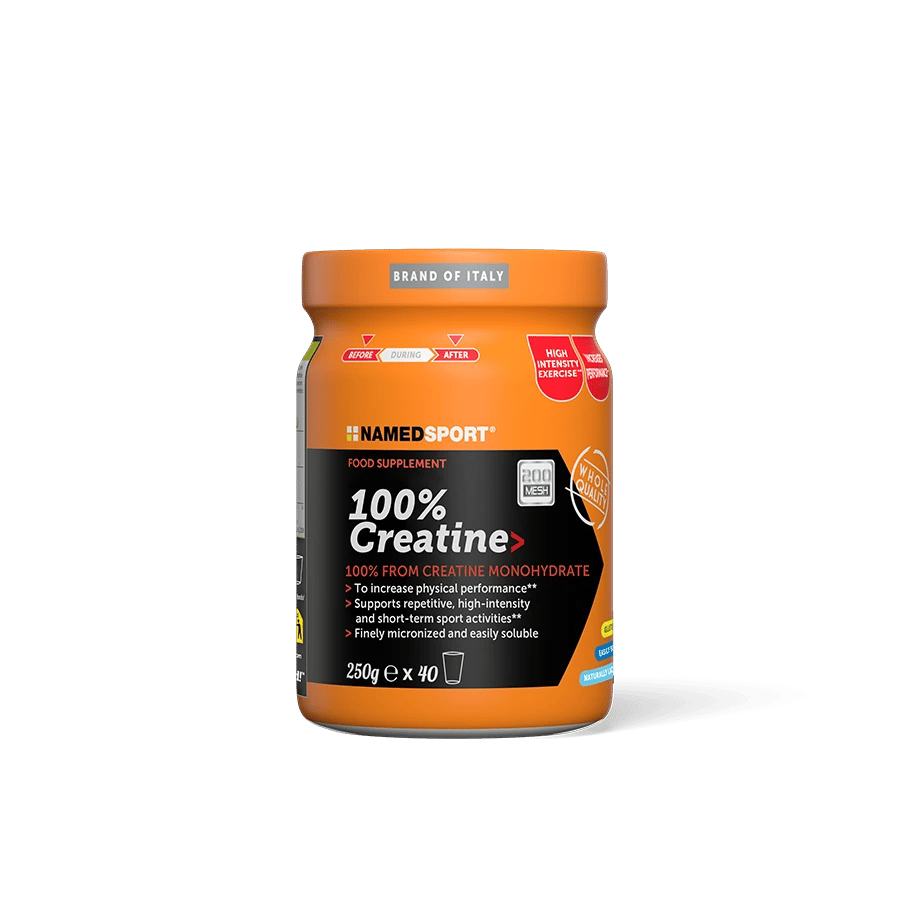
When choosing a creatine supplement, it is important to consider several factors. The most common and well-researched form is creatine monohydrate, known for its purity and effectiveness. However, there are other forms such as creatine ethyl ester and creatine hydrochloride, which offer different benefits depending on individual needs.
Additionally, check the label for creatine content and any additional ingredients that may be present. Choosing a product from a reputable and trusted brand can ensure higher quality and safety.
Usage of Creatine
The use of creatine typically begins with a loading phase, where a higher dose is taken for a few days, followed by a maintenance phase with a lower dose. However, some prefer to use a consistent daily dose without a loading phase. It is important to follow the product label instructions and consult a pharmacist for personalized advice.
Creatine is often taken post-workout, but it can be consumed at any time of the day. Mixing it with water or another beverage is the most common way of consumption. Ensure to increase fluid intake when using creatine to support proper hydration.