What is Creatine?
Creatine is a naturally occurring compound found primarily in the skeletal muscles of the human body. It plays a crucial role in energy production, especially during high-intensity physical activities. At the cellular level, creatine helps regenerate adenosine triphosphate (ATP), the primary energy source for muscle cells.
In the human body, creatine is naturally produced in the liver, kidneys, and pancreas, and is then transported to the muscles where it is stored for later use. Additionally, creatine can be obtained from the diet, particularly from protein-rich foods such as meat and fish.
Sources of Creatine
Creatine is naturally found in certain foods, primarily in meat and fish products. Rich sources of creatine include:
- Beef
- Chicken
- Fish such as salmon and tuna
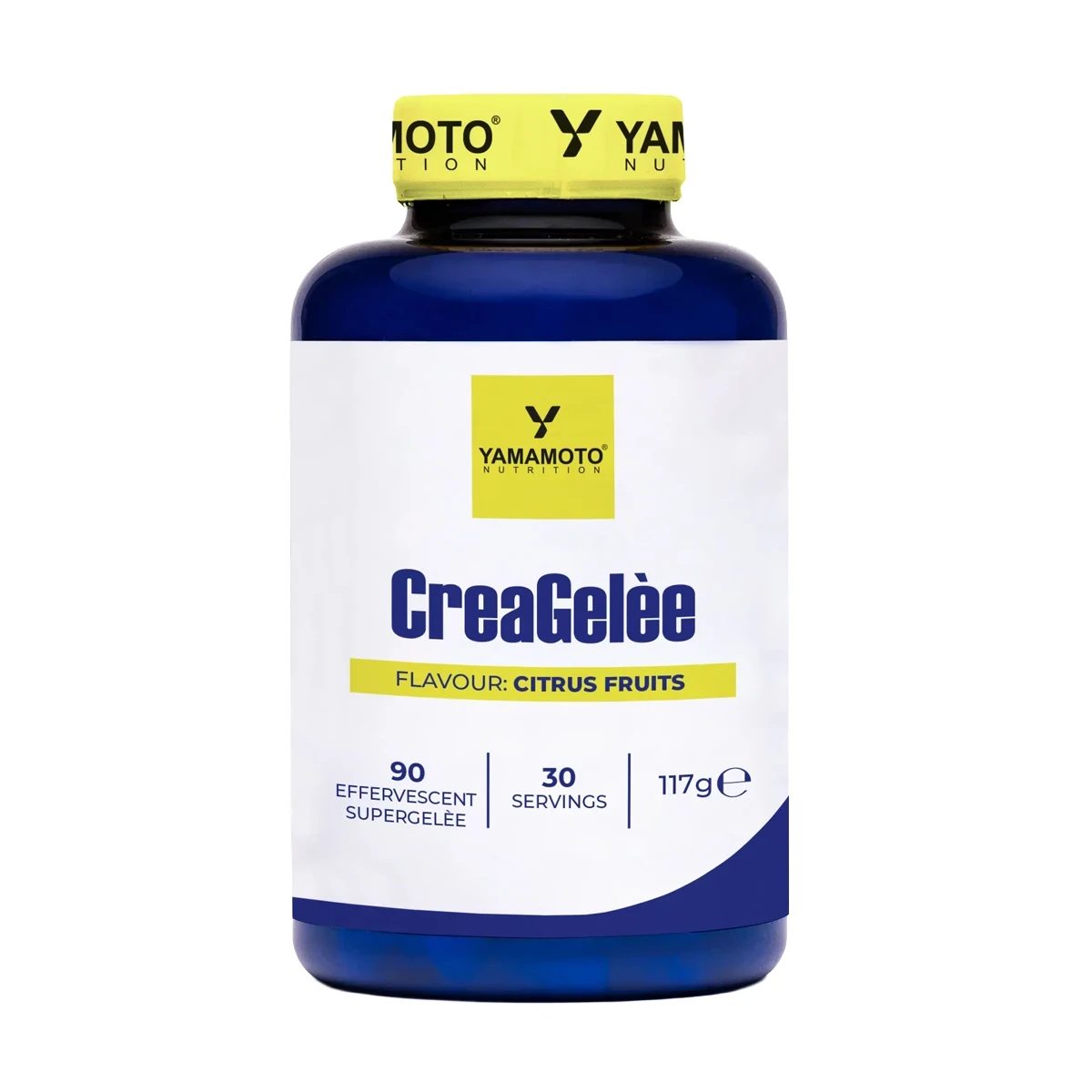
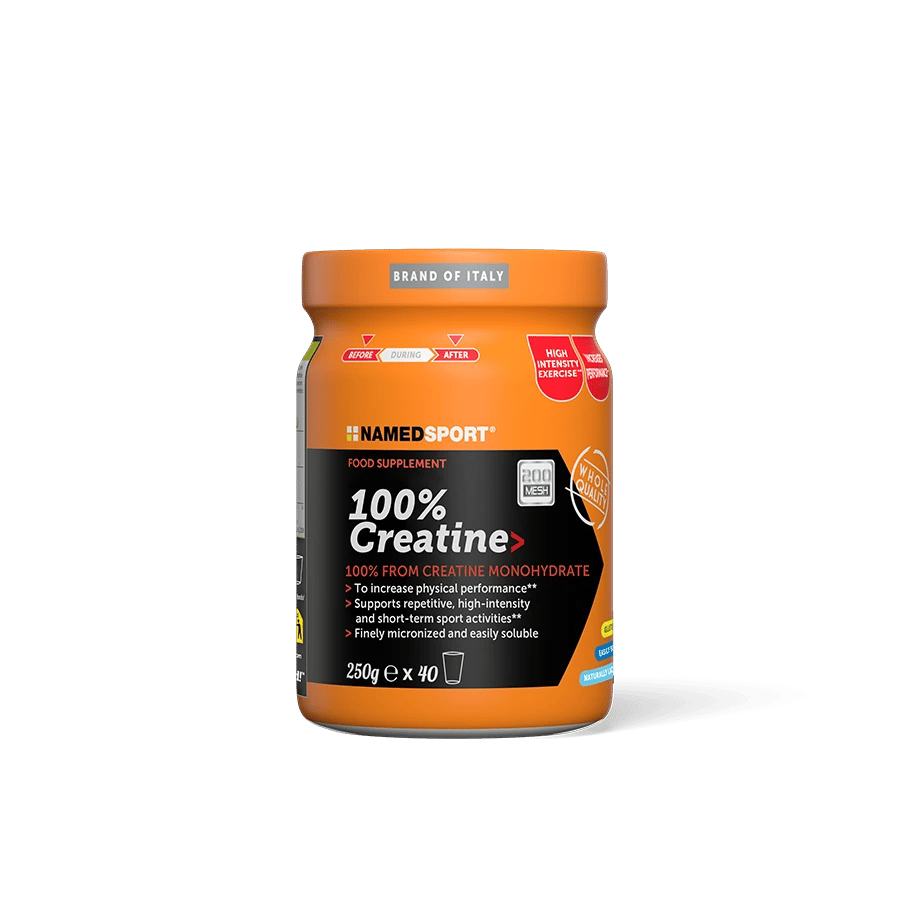
However, the amount of creatine that can be obtained from the diet is limited, and for those looking to increase their levels, creatine supplements are a common option. These supplements are available in various forms, including powders and capsules.
How to Choose the Right Creatine
When choosing a creatine supplement, it is important to consider several factors to ensure the quality and effectiveness of the product. Some of these factors include:
- Form of creatine: Creatine monohydrate is the most studied and widely used form.
- Purity: Look for products that offer pure creatine without unnecessary additives.
- Certifications: Seek certifications that ensure the quality and safety of the product.
- Labeling: Carefully read the label for information on ingredients and usage instructions.
How to Use Creatine
Using creatine as a supplement can be done in various ways, and it is important to follow the label instructions and consult a pharmacist for proper dosing. Some key points to consider include:
- Dosage: Most products recommend a daily dose ranging from 3 to 5 grams.
- Timing: Creatine can be taken before or after workouts, depending on personal preference.
- Hydration: Ensure adequate water intake while using creatine to aid in its absorption.
It is always advisable to consult a healthcare professional before starting any new supplement.