What is Magnesium?
Magnesium is an essential mineral necessary for the proper functioning of the human body. It is involved in over 300 enzymatic reactions and supports energy, muscles, and the nervous system. Magnesium helps maintain electrolyte balance and is important for the maintenance of normal bones and teeth. Among the most well-known forms of magnesium are glycinate and citrate, which offer different methods of absorption and utilization in the body.
Sources of Magnesium
Magnesium is found in many everyday foods. Rich sources include:
- Leafy green vegetables like spinach and kale
- Nuts and seeds, particularly almonds and pumpkin seeds
- Whole grains such as brown rice and oats
- Fish, especially salmon and mackerel
- Bananas and avocados
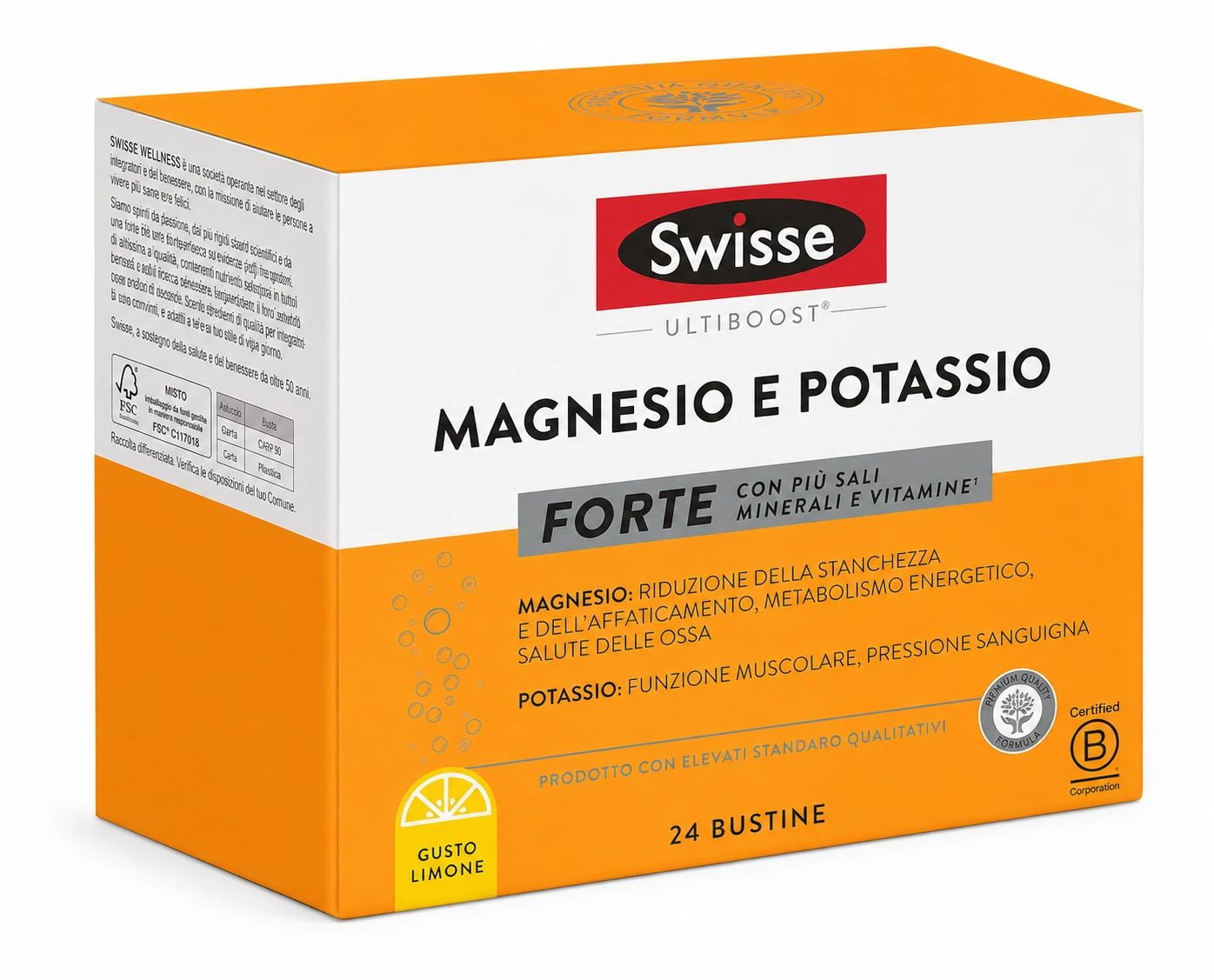
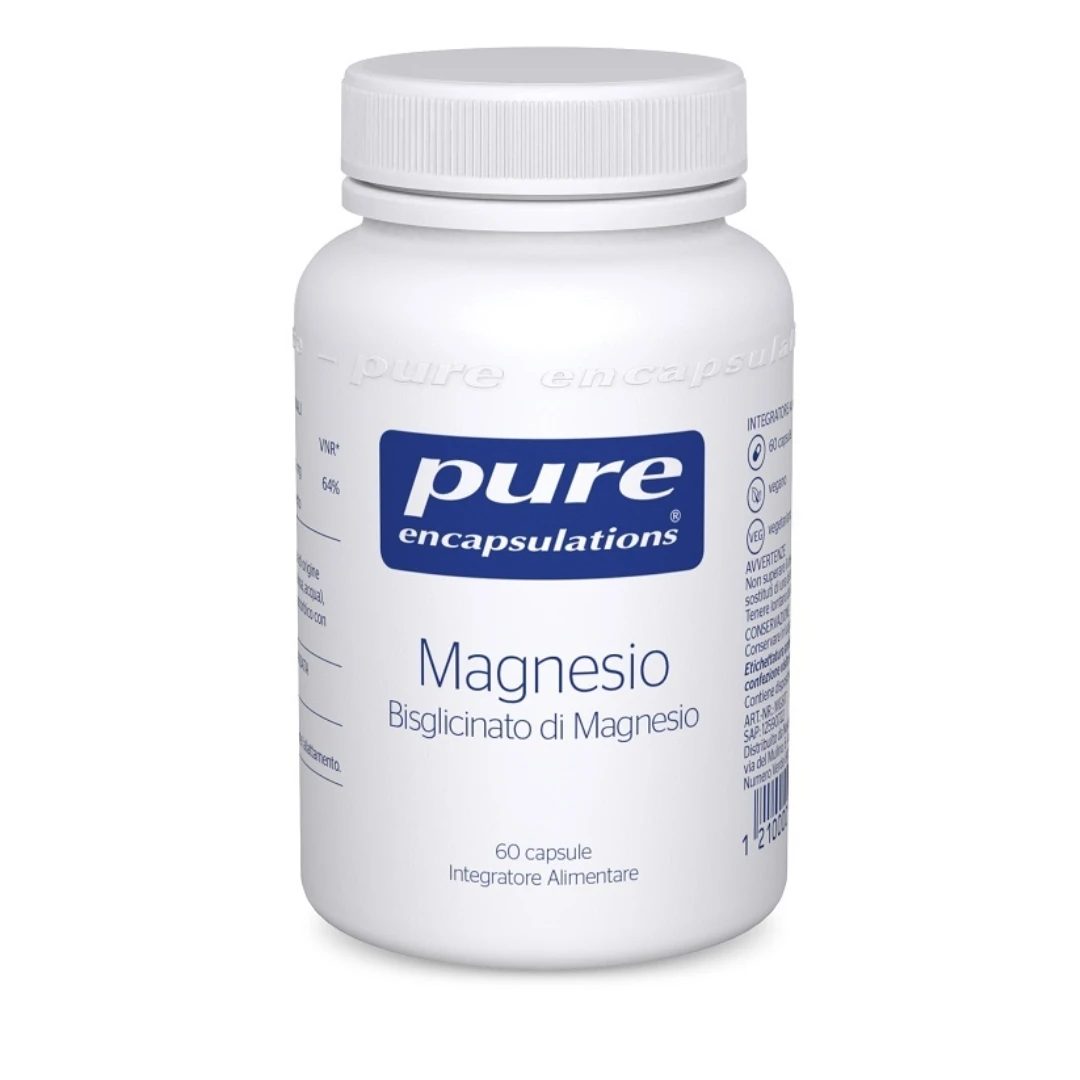
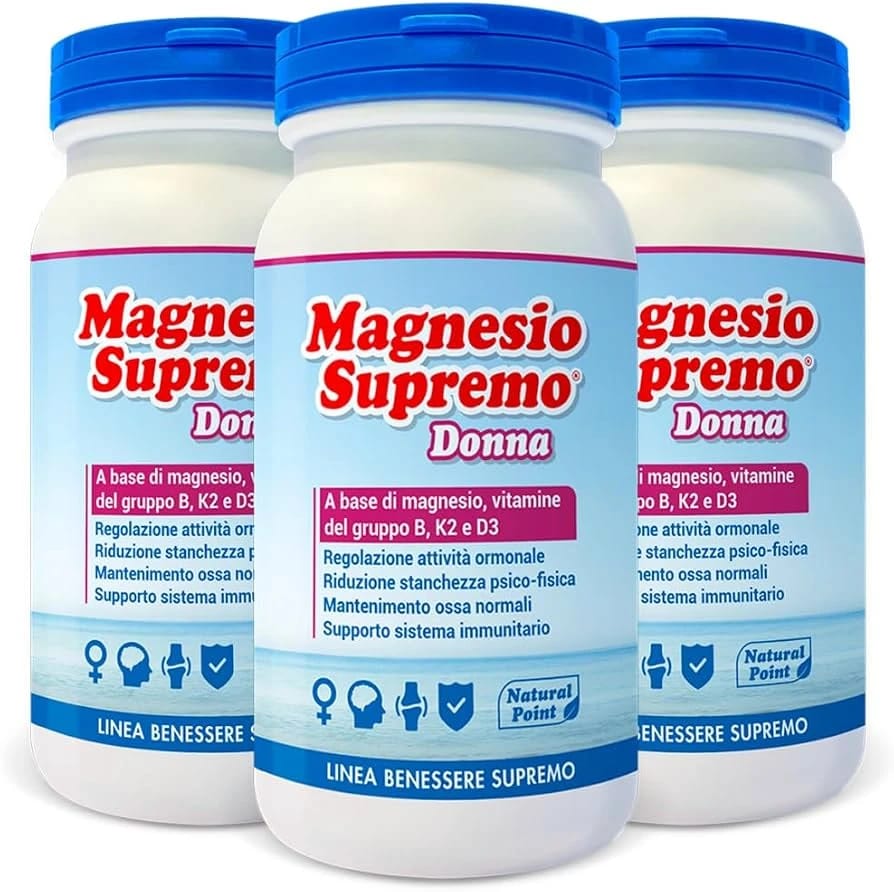
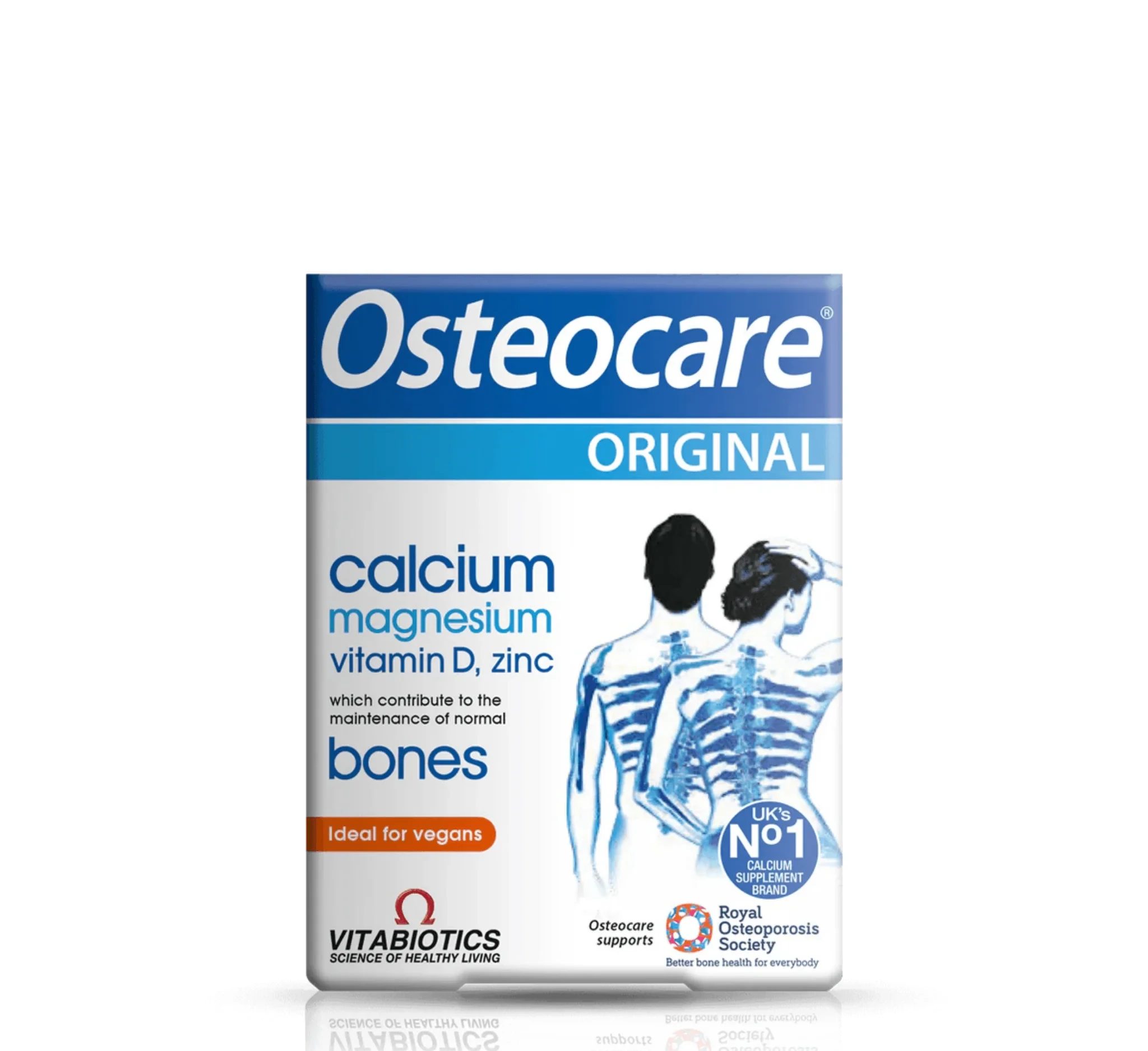
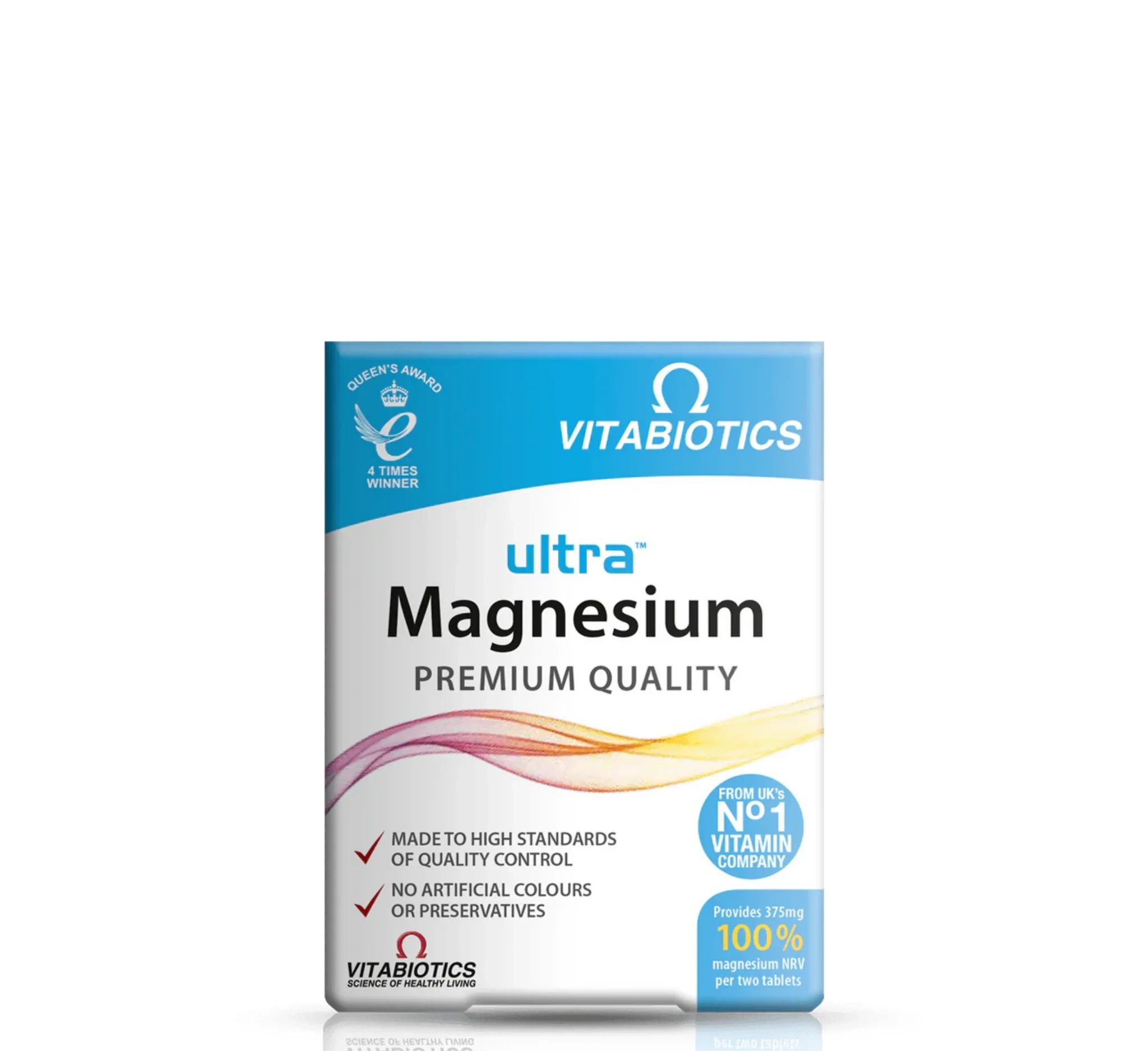
In addition to dietary sources, magnesium can be taken as a supplement in various forms, including glycinate and citrate.
Choosing Between Magnesium Glycinate and Citrate
Choosing between magnesium glycinate and citrate depends on individual needs and personal preferences. Magnesium glycinate is known for its good absorption and high tolerance by the body, making it suitable for those seeking a gentle form for the digestive system. On the other hand, magnesium citrate is more widely available and often used for quick absorption. When selecting a supplement, it is important to consult with a pharmacist and carefully read the product label to understand the contents and usage instructions.
Usage of Magnesium
Magnesium is typically taken as part of a balanced diet or as a supplement. Its glycinate and citrate forms can be found in tablets or powder. The recommended dosage is usually indicated on the product label, and it is important to follow these instructions. For any specific questions regarding dosage, consulting with a pharmacist is advisable. Magnesium can be taken with or without food, but some prefer to take it with food to minimize any potential stomach discomfort.