What is Magnesium?
Magnesium is an essential mineral crucial for the proper functioning of the human body, participating in over 300 enzymatic reactions. It supports energy production, muscle function, and the nervous system, contributing to various physiological processes. Magnesium is available in many different forms, each with its unique characteristics that may be more suitable for specific bodily needs.
Sources of Magnesium
Magnesium is naturally found in many foods. Rich sources include leafy green vegetables like spinach, nuts and seeds, fish, whole grains, and dairy products. For those who may struggle to get enough magnesium from their diet, supplements can be a practical option to meet daily requirements.
Choosing the Right Form of Magnesium
When choosing a magnesium supplement, it's important to consider its form, as different forms can have varying absorption and utilization in the body. Some of the most common forms include:
- Magnesium Citrate: A common and easily absorbed form.
- Magnesium Oxide: Contains a high percentage of elemental magnesium, but absorption may be lower.
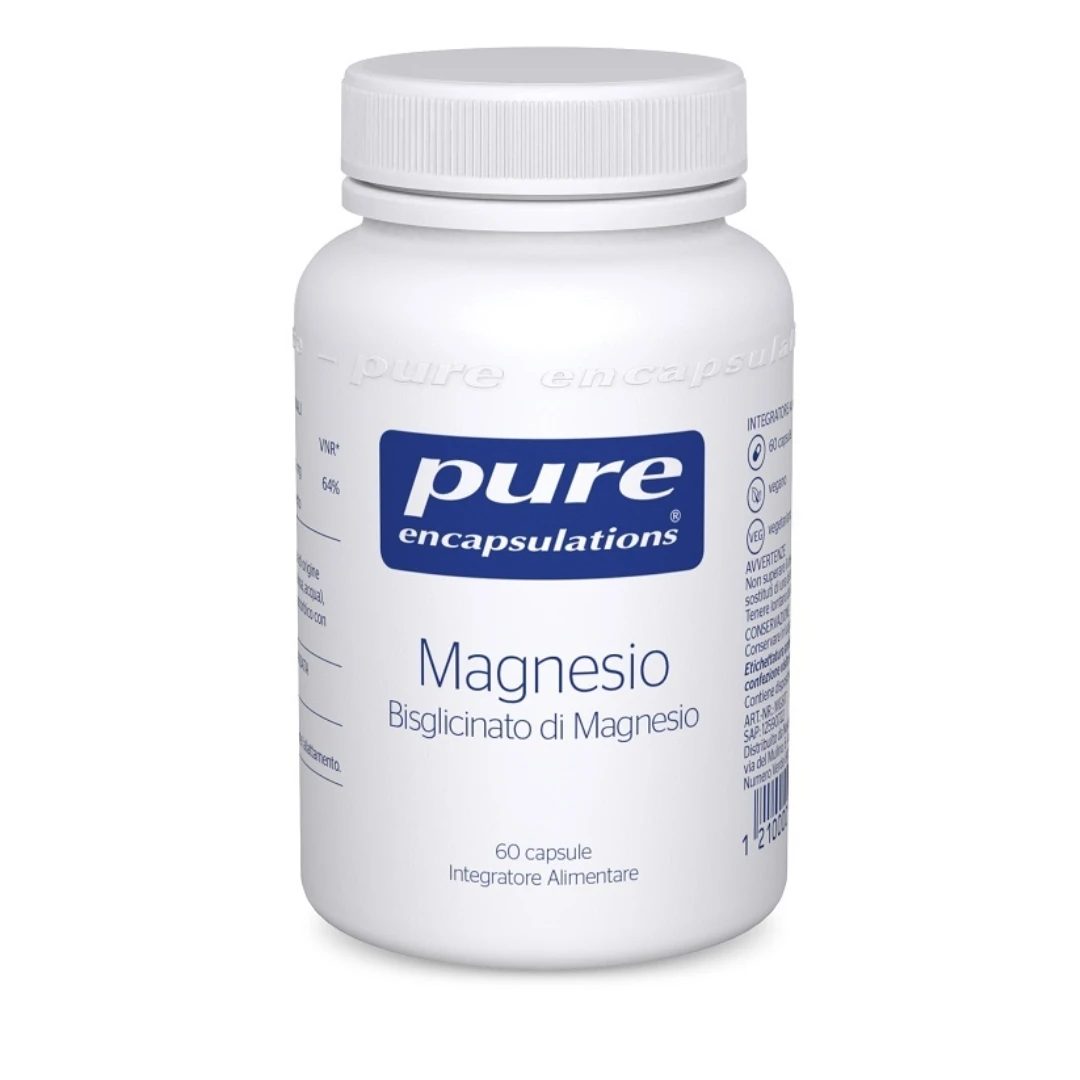
- Magnesium Glycinate: Known for good absorption and high tolerance.
- Magnesium Chloride: Often available in liquid form and easy to absorb.
Reading the product label and consulting with a pharmacist are important steps in choosing the most suitable form for your needs.
Usage of Magnesium
Magnesium can be taken in various forms, including tablets, capsules, powder, and liquid. The recommended dosage often depends on the form of magnesium and individual needs. It is essential to follow the product label instructions and consult with a pharmacist to ensure proper use. Magnesium can be taken with food to aid its absorption and minimize any potential gastrointestinal discomfort.