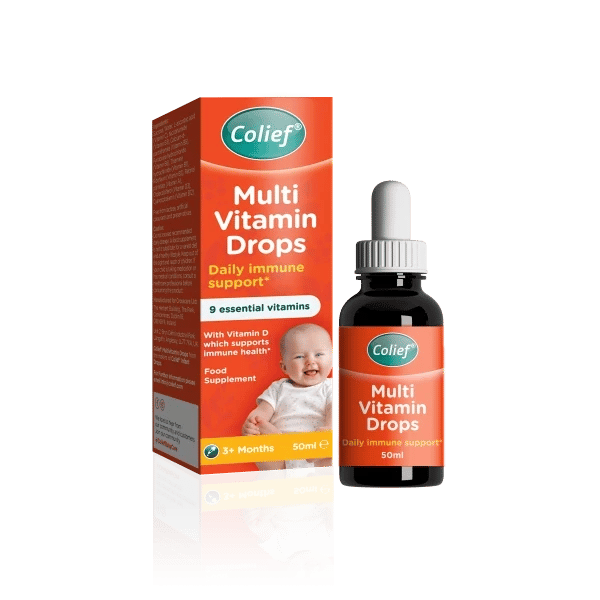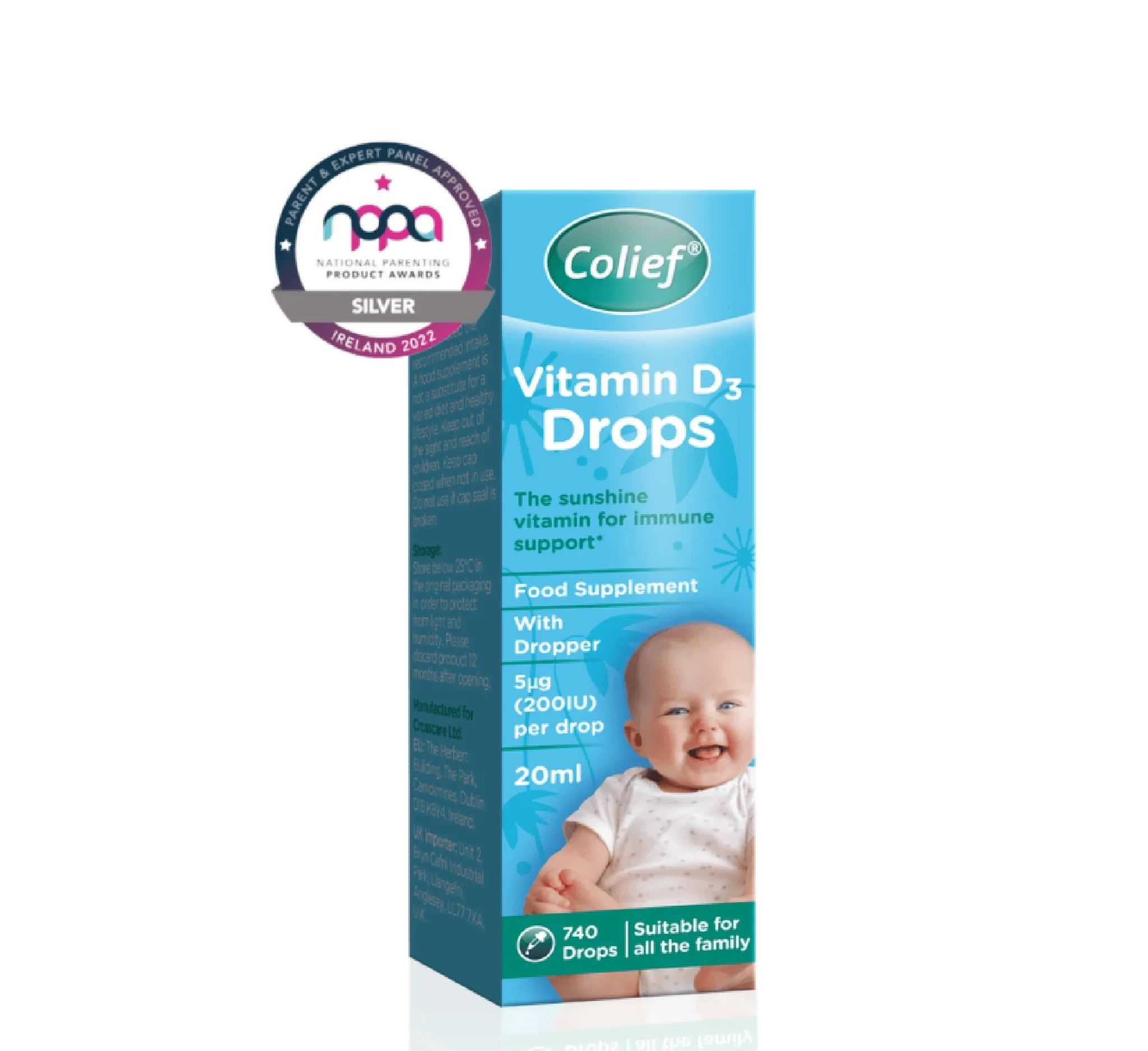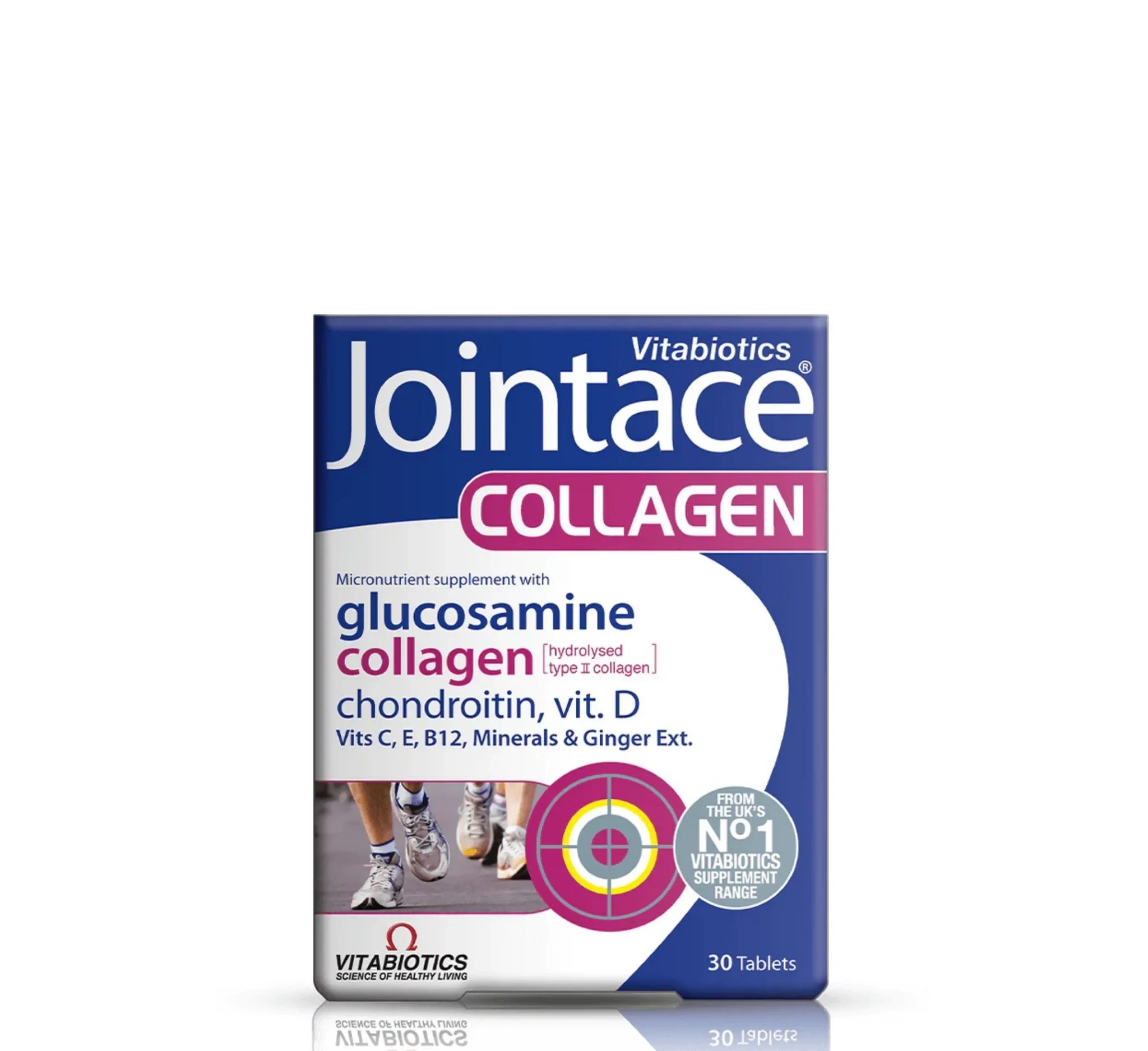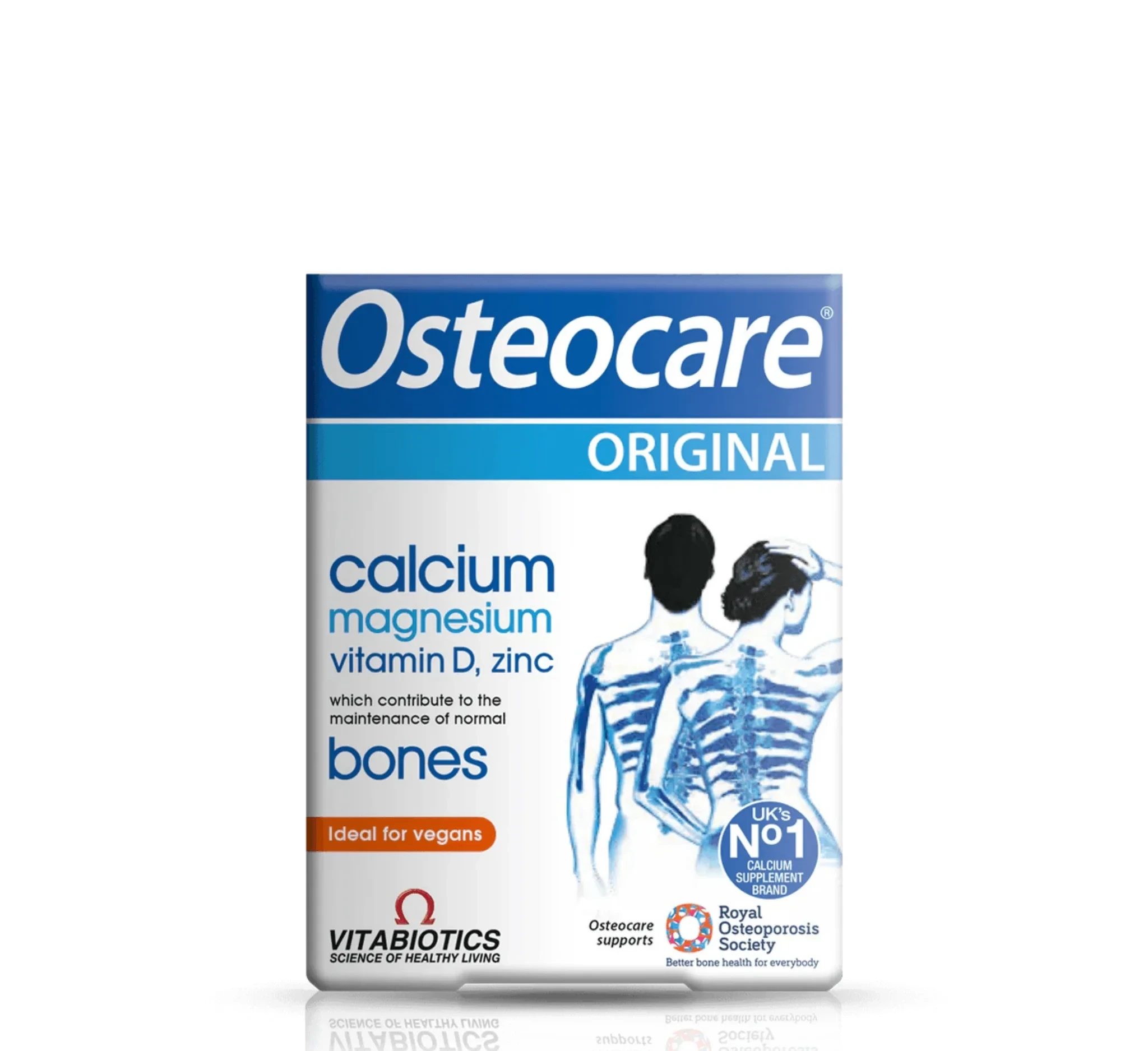
What Vitamin D3 is
Vitamin D3 (cholecalciferol) is a fat-soluble vitamin. As a substance, it is a sterol-derived, lipophilic compound, which is why it is often paired with oil carriers in formulations.
In dietary supplements, D3 is most commonly used as cholecalciferol dissolved in oil for stability and distribution. On a label it may appear as “Vitamin D3”, “D3”, or “cholecalciferol”.
The “D3” designation is used to distinguish it from vitamin D2 (ergocalciferol), another form of vitamin D. In practice, one product may state “Vitamin D” in general terms, while another specifies the form as “D3”.
In cosmetics, vitamin D3 may be present in very small amounts and is typically listed under the INCI name “Cholecalciferol”. This is the most reliable way to spot it in an ingredient list.
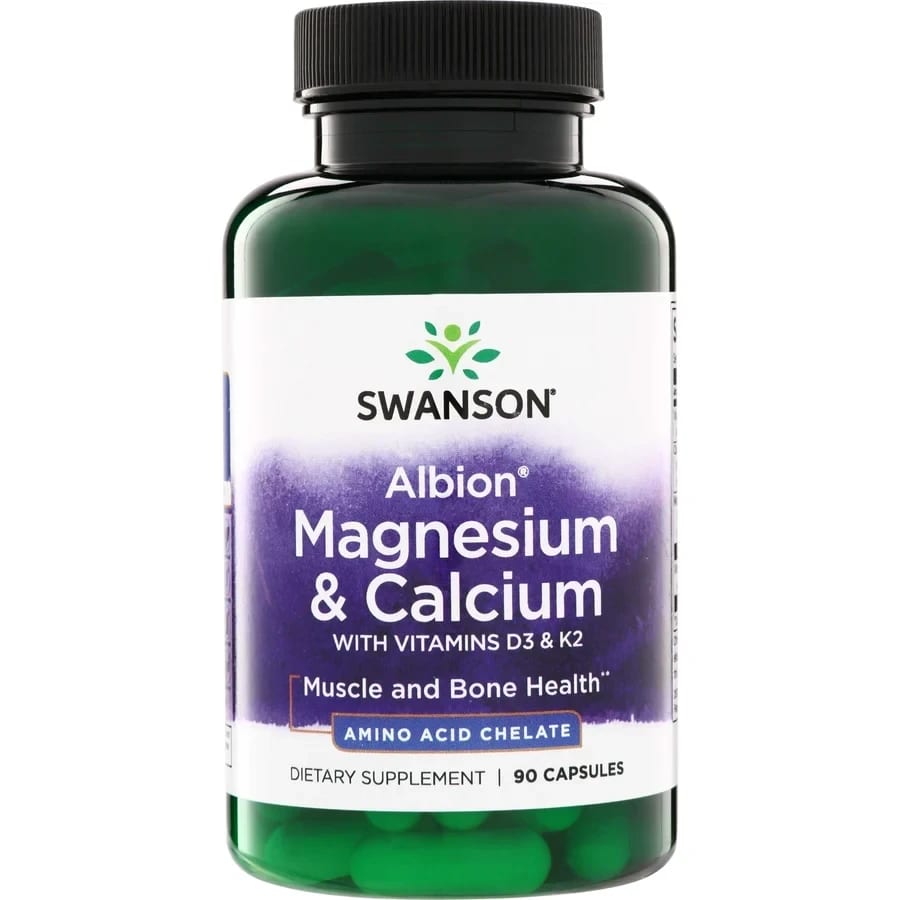
In the catalogue, vitamin D3 most often appears under Vitamin D and Multivitamins, and it may also be included in formulas alongside Vitamin C, Zinc, Magnesium, Vitamin B12, Vitamin B6, or Vitamin E. These combinations are part of the product’s design and should always be verified on the label and product page.
Catalogue formats and how they differ on the label
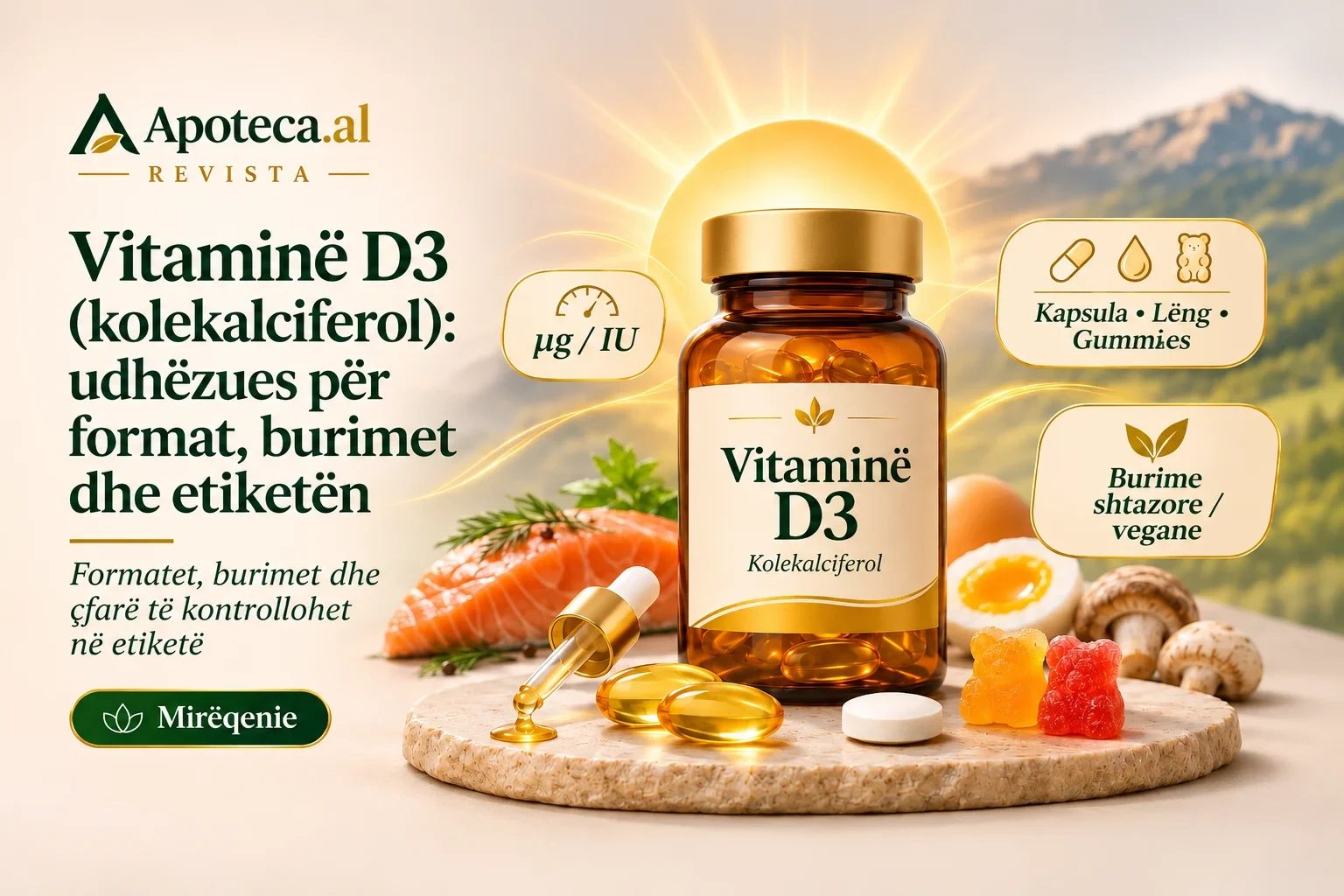
In the catalogue, vitamin D3 comes in several formats: Tablets, Capsules, Liquid, Powder, Shurup, Gummies. From a label-reading perspective, the key differences are how strength is stated “per serving” and how straightforward serving measurement is in day-to-day use.
- Tablets and Capsules: strength is typically listed “per tablet/capsule”.
- Liquid and Shurup: strength is often stated “per ml” or “per serving” (a defined amount). Here, it matters to confirm exactly how the serving is measured (ml, drops, or another measure described on the label).
- Gummies: strength is tied to the number of pieces “per serving”. For a meaningful comparison, check how many pieces make up a serving and which excipients are used (e.g., sweeteners, gelatin/alternatives, flavourings).
- Powder: strength is linked to a measured amount “per scoop/serving”. This format depends on accurate measuring as directed on the label.
A common point of confusion is the unit: some products list vitamin D3 in µg, others in IU. The unit choice is not a quality marker; it is simply a labelling convention. When the label or product page provides a conversion, it helps make comparisons across products clearer.
Food sources and natural occurrence
Vitamin D3 is naturally present in the body and is also found in certain animal-derived foods. In foods, amounts can vary and depend on the type of food and how it is processed.
- Common dietary sources include fatty fish and other animal products; content varies by species and processing.
- Some foods are fortified with vitamin D; in those cases, the amount is read directly on the nutrition label.
For those avoiding animal sources, supplements may also use vegan D3 produced via fermentation and subsequent processing. When declared, this information is typically shown on the label or product page.
Choosing between food and a supplement is a matter of preference and personal context. For individual health questions, a doctor remains the appropriate reference.
What to check on the label
For vitamin D3, the label is where meaningful comparisons happen across formats and strengths. A few details are especially practical to check before choosing.
- Unit and amount “per serving”: confirm how many µg or IU are provided per serving and how many servings are in the pack. This makes a Capsule comparable to a Liquid or Gummies, because the reference point is always the serving.
- Active ingredient: look for “cholecalciferol” or “Vitamin D3”. In cosmetics, check the ingredient list for the INCI name “Cholecalciferol”.
- Carrier and excipients: Liquid, Shurup, and often Capsules may use an oil carrier. With Gummies, check sweeteners, gelatin/alternatives, and flavourings.
- Raw material source: when it matters for personal choice, check the label or product page for whether D3 is from lanolin or from vegan sources.
- Directions and warnings: read “how to take” and “do not exceed”. If multiple vitamin D products are used at the same time, medical advice is recommended.
A simple way to choose between options is to decide on format first (for example, Capsules with a given serving versus Liquid measured in ml/drops), then compare the amount “per serving” using the unit shown on the label.
How it is typically used (label as the authority)
How vitamin D3 is used depends on the format and the serving defined on the label. For vitamin D3, the label remains the practical authority for amount and frequency.
- Tablets/Capsules: taken according to the stated serving (often “per tablet/capsule”).
- Liquid/Shurup: measured in ml or drops, as directed on the label.
- Powder: used according to the specified measure (e.g., “per scoop/serving”), following the measuring instructions precisely.
- Gummies: taken according to the number of pieces “per serving”.
Because it is fat-soluble, many formulas place D3 in an oil carrier; this is one reason it often appears in Capsules or Liquid formats.
Do not exceed the daily amount. EFSA proposes a tolerable upper intake level (UL) of 100 µg/day for adults (vitamin D equivalents). Total intake from all sources is what matters, especially when combining products.
Vitamin D may interact with medicines that affect vitamin D or calcium metabolism; in these cases, consult a doctor before use. Pregnancy, breastfeeding and children should consult a doctor before use.
Tradition and research: questions worth asking
According to the NIH Office of Dietary Supplements (ODS) Fact Sheet, supplement use commonly distinguishes two main forms—vitamin D2 (ergocalciferol) and vitamin D3 (cholecalciferol)—positioning the difference as a chemical-form distinction and typical sourcing (D3 often associated with animal-derived sources and D2 with non-animal sources), while noting that exact sourcing can depend on the manufacturer.
According to the European Commission’s “Nutrition and Health Claims” page, EU rules govern health claims in labelling/presentation/advertising and a public EU Register lists authorised and non-authorised claims; this framework distinguishes permitted wording (as listed in the Register) from marketing phrasing that is not listed as authorised.
According to the EU Register of Nutrition and Health Claims (PDF), the EU has authorised health claims for vitamin D (e.g., “Vitamin D contributes to the normal function of the immune system”), accompanied by conditions of use (e.g., the food must be at least a ‘source’ of vitamin D under the applicable nutrition-claim rules).
According to the EFSA NDA Panel (2023), the vitamin D UL “covers dietary intake from all sources” and applies to forms authorised for addition to foods and supplements; this frames risk assessment as an evaluation of combined total intake from diet, fortified foods, and supplements (not only from a single product).